
Last updated November 23, 2026
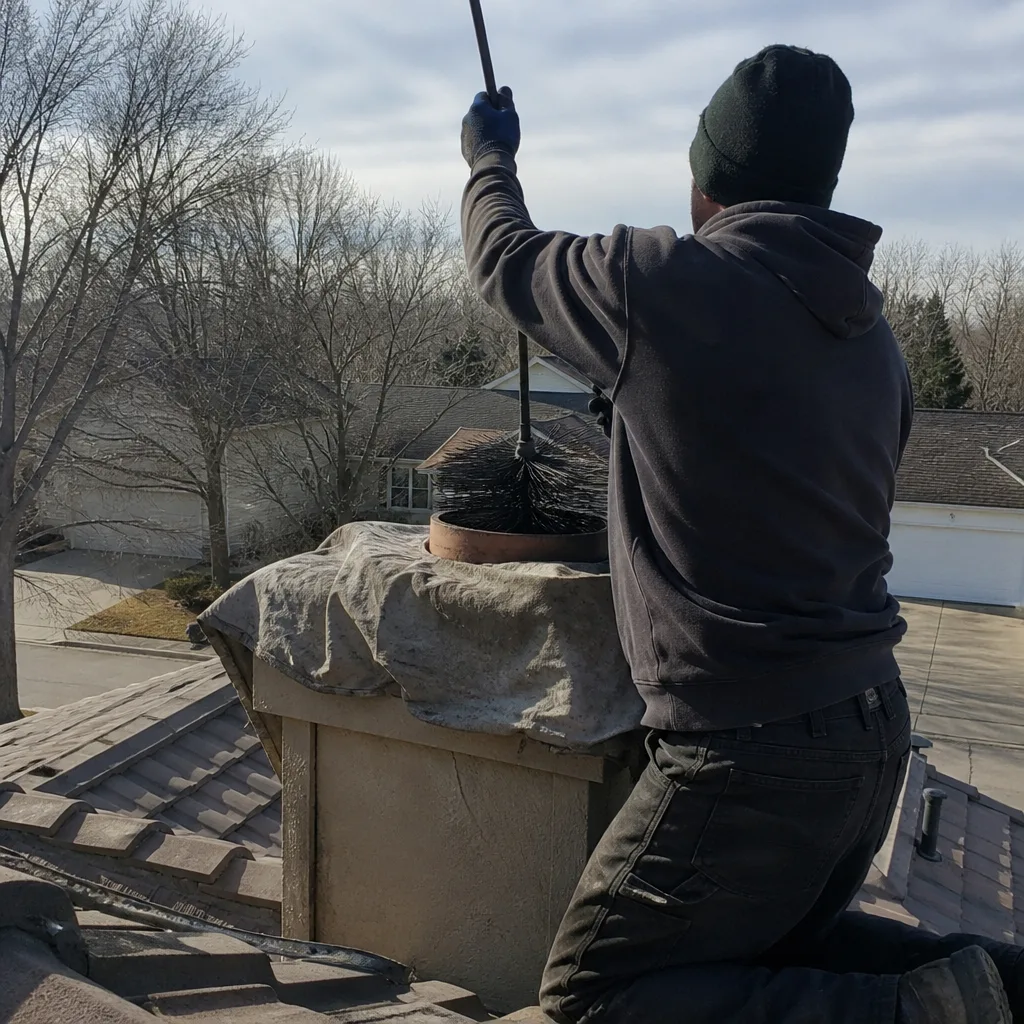
 Sweep & inspection
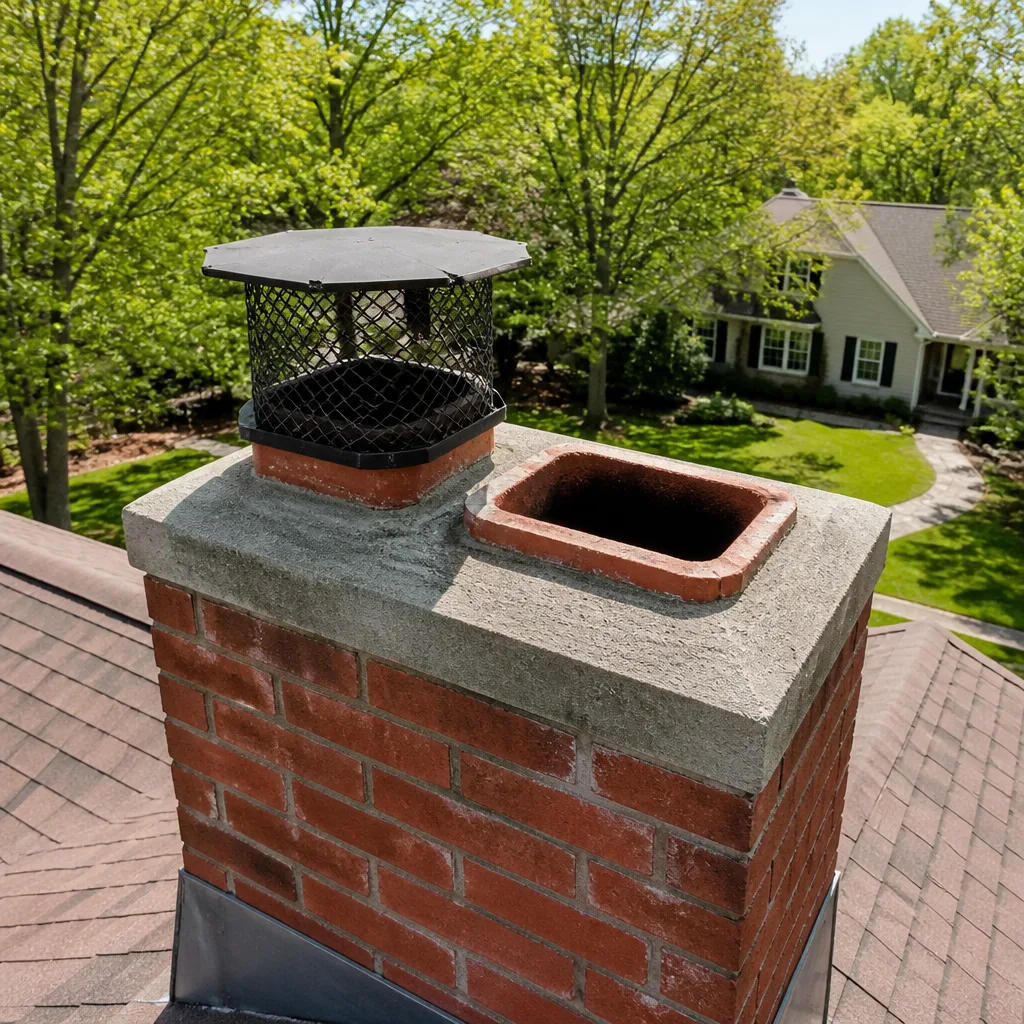
 Caps & crowns
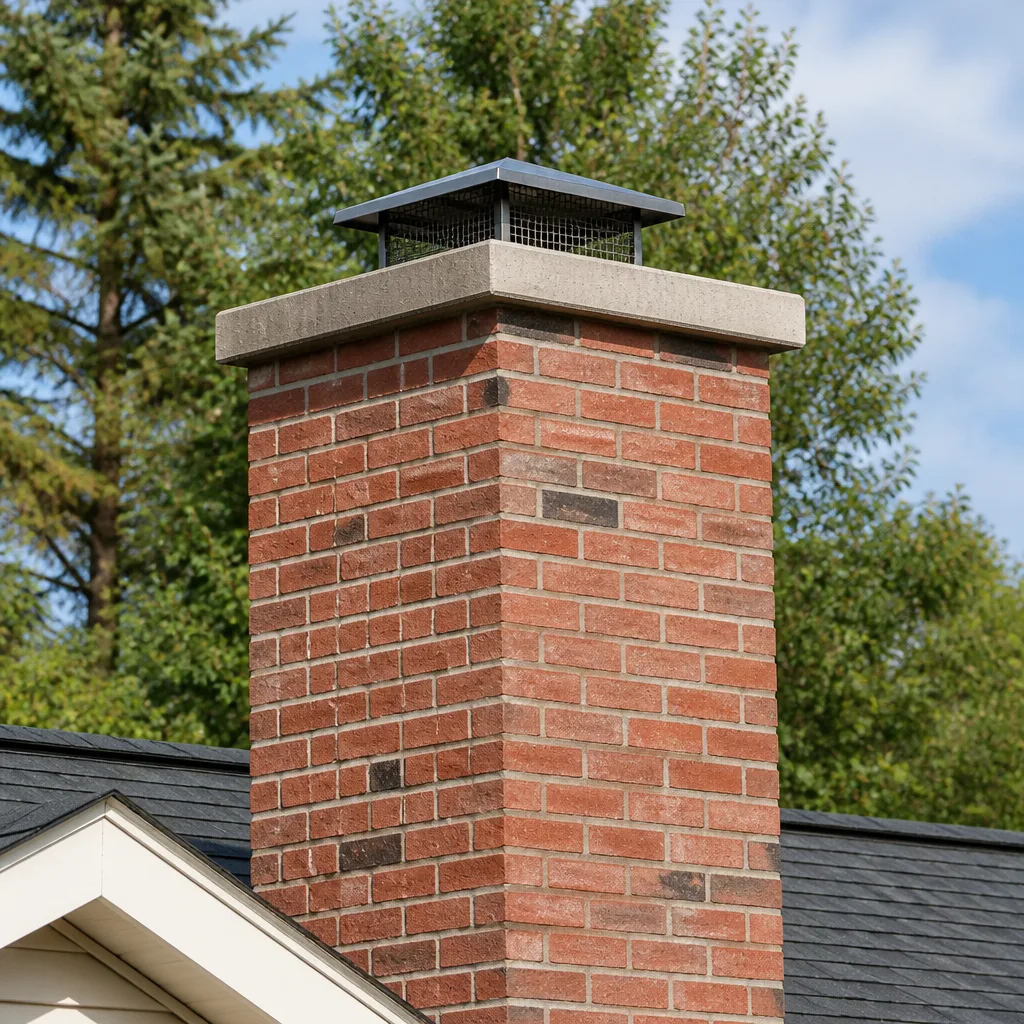
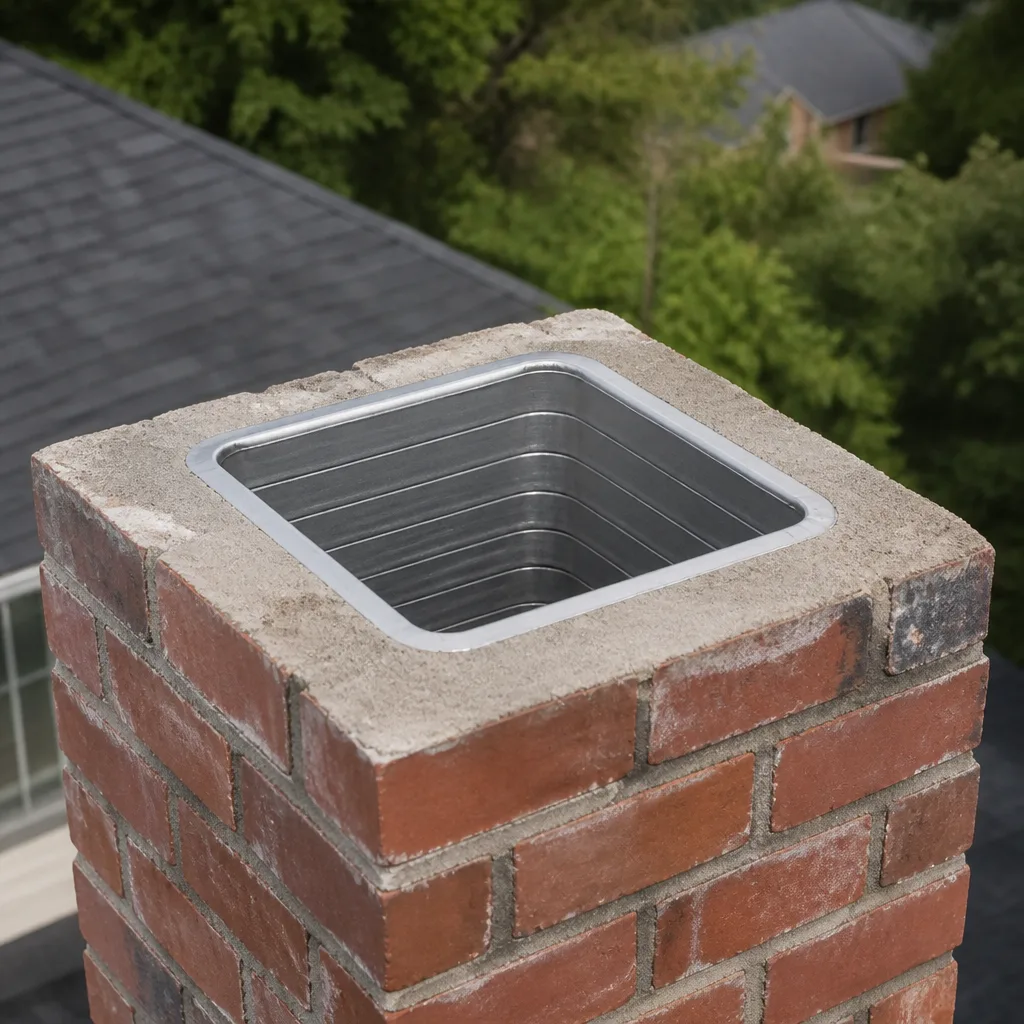 Flue relining
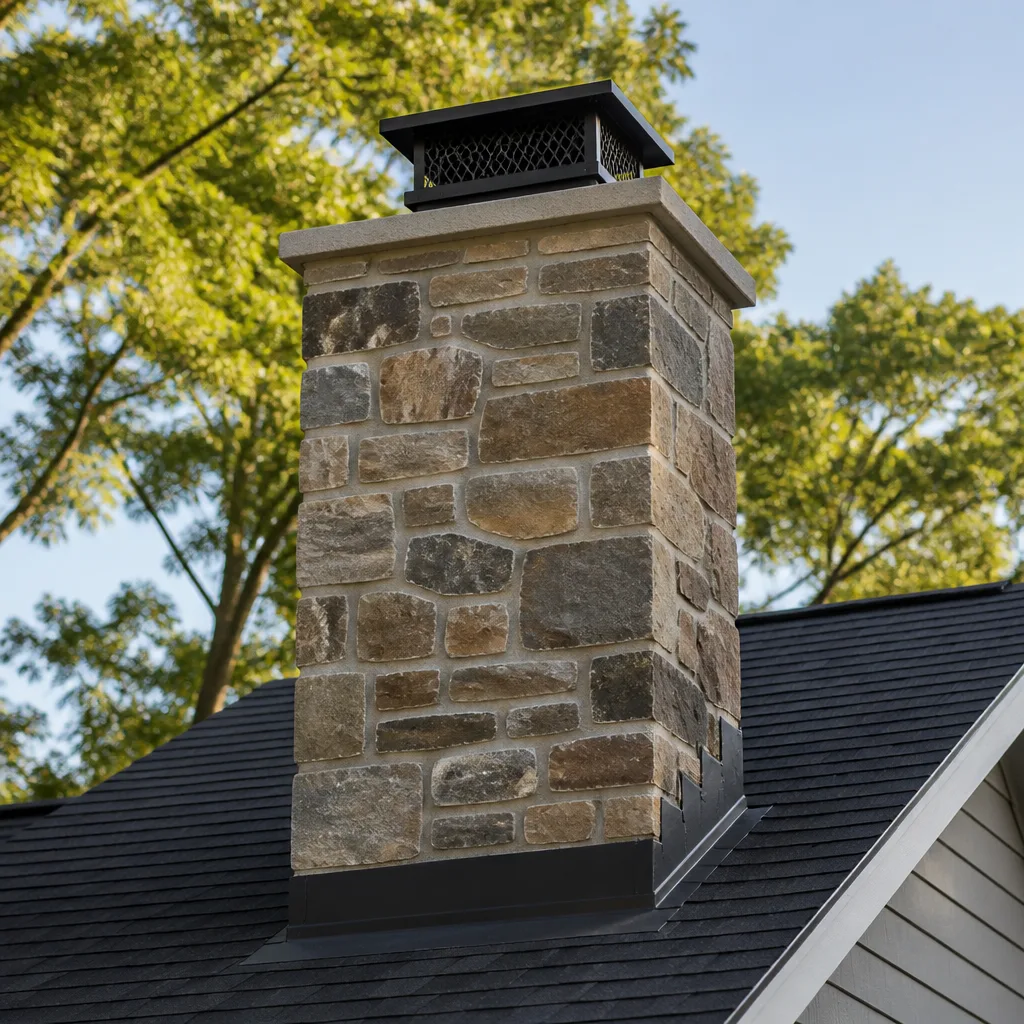 Masonry repair
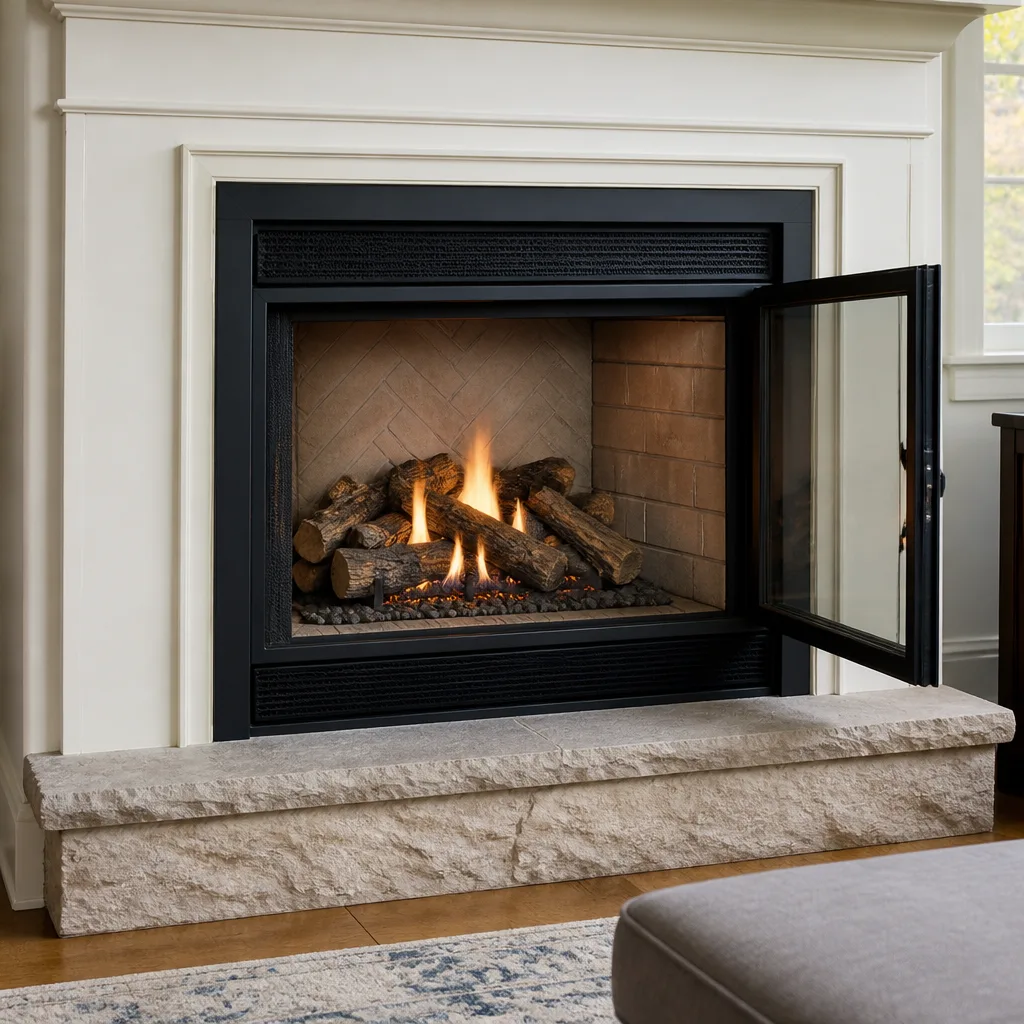 Gas fireplace service
Level 1 sweep and inspection to the NFPA 211 annual standard - flue, crown, cap, and flashing checked and photographed
Chimney sweep logs do not sweep chimneys. They loosen some creosote - which then falls where a brush and vacuum still have to collect it.
Choosing the Right Chimney Cleaning Brand: A Buyer’s Guide for Thornton
Most homeowners shop for a chimney sweep the way they shop for an oil change: pick a name, book a slot, pay the bill. The product almost never comes up. That is a mistake in Thornton, because the sealants, crown coatings, and liner systems a contractor specifies decide how long a repair lasts on a roof that swings from spring hail to single-digit January nights. Not all chimney sealants are rated for that temperature cycling, and a product that performs fine in Houston can fail within two seasons at altitude. This guide covers what the products actually do, what to ask, and how to read the answer. Thornton Chimney Sweep Co works with these materials every week.
Quick Answer
The right chimney cleaning brand depends on what the job needs: professional-grade liner systems such as DuraFlex and HeatShield for flue repair, temperature-rated crown coatings for masonry, and proper cleaning tools for soot and creosote. What matters most is the gauge, the installation method, and whether the installer is certified to protect the manufacturer warranty. In Thornton, products rated for freeze-thaw cycling matter more than brand name alone.
Styles & brands we work with
- Sweep & inspection
- Caps & crowns
- Flue relining
- Masonry repair
- Gas fireplace service
Table of Contents
- What “Brand” Actually Means in Chimney Work
- Professional Cleaning Products vs. Retail: Where the Gap Is Real
- Chimney Liner Systems: Gauge and Installation Beat the Logo
- Crown Coatings and Sealants: Legitimate Repair or Cosmetic Patch?
- Why Colorado’s Climate Changes the Product Conversation
- How to Ask a Contractor What Materials They Use
- The Warranty Angle: Credentials Protect Your Coverage
- How Thornton Chimney Sweep Co Chooses Materials
What “Brand” Actually Means in Chimney Work
In most trades, “brand” means the name on the truck. In chimney work, brand means something more specific: the manufacturer of the liner, the coating, the cap, or the sealant that goes onto or into your chimney. These are products you never see from the ground, and they determine whether a repair holds or fails.
That distinction matters because chimney contractors are not required to use any particular brand. A sweep-only operator might buy cleaning chemicals from a hardware store and liner materials from whichever supplier is closest. A full-system specialist typically specifies professional-tier products because they have to warranty and stand behind the work when the flue fails an inspection a year later.
Here is the practical split you will encounter:
- Cleaning products. The chemicals and brushes used to remove soot and creosote. The gap between professional and retail is real but narrower than sales pitches suggest.
- Liner systems. The flexible or rigid stainless flue that carries exhaust. Gauge, alloy, and insulation are what matter. The brand is a secondary signal.
- Crown coatings and sealants. The materials that seal the top of the chimney from water. Temperature rating is the difference between a five-year repair and a one-season patch.
- Caps. The lid that keeps rain, animals, and debris out. Fit and material matter more than the brand name stamped on the box.
When a contractor can name the product and explain why they chose it for your chimney, you are talking to someone who thinks about materials. When they cannot, ask more questions.
Professional Cleaning Products vs. Retail: Where the Gap Is Real
The cleaning side of chimney work is where the professional-versus-retail gap gets overstated. A sweep’s brushes, rods, and vacuum are standard trade equipment, and the chemicals used to break down creosote are stronger than what you buy at a hardware store but not dramatically different in kind. What actually separates a professional cleaning from a homeowner attempt is the inspection that follows it: what the technician sees inside the flue once the soot is gone.
Where the product gap is real:
- Creosote stage three removal. Glazed creosote bonds to flue tile and does not come off with a brush alone. Professional products loosen it without damaging the tile. Retail products do not.
- Chemical sweeping agents. These are formulated to break down deposits safely inside a flue. The dosage and application matter, and a wrong mix can damage masonry.
- Post-sweep inspection lighting. A camera and proper lighting are what turn a cleaning into a diagnosis. No retail product replaces that.
A chimney sweep in Thornton should be able to tell you what they found inside the flue, not just that they cleaned it. The products are a means; the inspection is the point. If a contractor cannot describe what they saw, the cleaning products they used are irrelevant to your safety.
We inspect before we recommend. That standard applies to cleaning products too: if the flue is not heavily glazed, a standard sweep is what the chimney needs, and a chemical treatment is not.
Chimney Liner Systems: Gauge and Installation Beat the Logo
Liner systems are where brand gets the most attention and matters the least. Two liners from different manufacturers, installed by the same technician with the same gauge and insulation, will perform about the same. Two liners from the same manufacturer, installed by two different technicians with different methods, can perform very differently.
What to look for in a liner system, in priority order:
- Gauge. Thicker stainless steel resists corrosion longer. Ask what gauge the liner is, not just the brand.
- Alloy. The steel grade determines what fuels and temperatures the liner tolerates. A wood-burning flue and a gas flue need different alloys.
- Insulation. An uninsulated liner in a cold exterior chimney will not perform the way the manufacturer intended. Insulation is part of the system, not an add-on.
- Installation method. The connection at the top and bottom, the sizing, and whether the installer followed the manufacturer’s instructions determine whether the warranty holds and whether the liner lasts.
- Brand. DuraFlex and Olympia Chimney are professional-tier liners. They are quality products. But a poorly installed DuraFlex liner will still fail. A well-installed liner from a lesser-known manufacturer will often outlast a badly installed premium one.
The variable that determines whether a liner performs for the long run or just a couple of seasons is the installation: insulation, sizing, connection details, and whether the technician followed the manufacturer’s installation instructions. That is why we ask about the installation before we ask about the brand. If a contractor leads with the logo and skips the gauge and insulation, the conversation needs to go deeper.
A chimney repair that involves relining is a serious investment. Get the gauge, the alloy, and the installation method in writing before you approve it.
Crown Coatings and Sealants: Legitimate Repair or Cosmetic Patch?
Crown coatings are the most consequential product decision a Thornton homeowner will make, and the easiest to get wrong. The crown is the concrete or masonry cap at the top of the chimney. It sheds water away from the flue and the masonry below. When it cracks, water gets in, and water is the #1 source of chimney damage.
Not all crown coatings are equal. The categories break down like this:
- Cosmetic sealants. Thin, flexible, and cheap. They fill a hairline crack and look fine for a season. In freeze-thaw conditions, they crack again, often within a year. These are patches, not repairs.
- Elastomeric crown coatings. Thicker, flexible, and formulated to move with the masonry as it expands and contracts. Legitimate repair solutions for a crown that is cracked but structurally sound.
- Crown rebuild materials. When the crown is failing structurally, a coating will not fix it. A proper rebuild uses a mix and reinforcement that holds up to Colorado’s temperature cycling.
The distinguishing question: “Is this product rated for freeze-thaw cycling?” A contractor who specifies a temperature-rated coating can explain why. A contractor who reaches for a generic sealant is patching. Gelco and Copperfield are professional-tier names in this category, and we use both, but the temperature rating matters more than either brand.
Chimney Cap & Crown is a named service for us because moisture prevention is a repair, not a maintenance afterthought. A crown that is patched in October fails by February, and the masonry below pays for it.
Why Colorado’s Climate Changes the Product Conversation
A chimney in Thornton lives through a wider temperature swing than a chimney in most of the country. Spring hail, summer heat, an October freeze, a January cold snap, and a February thaw that runs water down the crown and refreezes it overnight. That cycle is what tests a product’s rating.
Three things to know about the local climate and materials:
- Freeze-thaw cycling is the real threat. Water gets into a hairline crack, freezes, expands, and widens the crack. A product that is not rated for that cycle fails faster here than it would in a milder climate.
- Altitude affects curing. Some sealants and coatings cure differently at Thornton’s elevation. The manufacturer’s instructions account for it; a contractor who ignores the instructions does not.
- Dry winters and wet springs stress masonry. A crown that looks fine in August can fail in March. The product needs to handle both.
This is why the material choice matters more than the brand name in Thornton. A coating that performs fine in Houston can fail within two seasons at altitude. When we specify a crown coating or a sealant, the temperature rating and the cure requirements come before the logo on the bucket.
The same logic applies to a fireplace repair. The refractory materials and sealants used in a firebox have temperature ratings too, and the wrong product fails in the same way.
How to Ask a Contractor What Materials They Use
The easiest way to tell a specialist from a generalist is to ask one question: “What product are you going to use, and why?” A legitimate specialist can name the product, describe its category, and explain why it fits your chimney and your climate. A generalist will give a vague answer or change the subject.
Here is how to run the conversation:
- Ask before the estimate, not after. “What liner system do you specify for a wood-burning flue, and what gauge?” If the answer is “whatever the supplier has,” that is your answer.
- Ask about the temperature rating. For crown coatings and sealants: “Is this rated for freeze-thaw cycling?” The contractor should be able to answer without checking.
- Ask about installation method. For liners: “How do you insulate, and how do you connect at the top and bottom?” This separates a technician from a salesperson.
- Ask about the warranty. “Does this product carry a manufacturer warranty, and does it require certified installation?” Many professional-grade products do. The contractor’s credentials protect your coverage.
- Ask what they found. After the inspection, the contractor should be able to show you what they saw on camera. If they cannot, the recommendation is a guess.
A good answer sounds like this: “We specify DuraFlex for this flue because of the alloy and the gauge, we insulate it because an uninsulated liner in an exterior chimney will not perform, and we install to the manufacturer’s instructions so the warranty holds.” A bad answer is a brand name with no explanation behind it. If you want a second look, a chimney sweep from our team includes the inspection and a photo report.
The Warranty Angle: Credentials Protect Your Coverage
Professional-grade chimney products often carry manufacturer warranties that require certified or qualified installation. That is not a marketing line; it is a condition of the coverage. A DuraFlex liner installed by an uncertified contractor may still work, but the manufacturer warranty may not apply if something goes wrong.
What to know:
- Warranties are tied to installation. The product warranty usually requires the installer to follow the manufacturer’s installation instructions and, in many cases, to hold a certification the manufacturer recognizes.
- Credentials are the proof. Ask the contractor what certifications or credentials they hold for the products they install. A specialist can answer. A generalist usually cannot.
- Paperwork matters. Get the product name, the installation method, and the warranty terms in the written estimate. If the warranty is important to you, the paper trail is what protects it.
- Vague answers are a red flag. If the contractor cannot tell you what warranty applies to the product they are installing, the coverage may not exist.
This is one reason we work exclusively with professional-tier brands: DuraFlex, HeatShield, Gelco, Olympia Chimney, Famco, and Copperfield. Not because the logo matters, but because these manufacturers support their products with installation standards and warranty terms that a certified installer can actually uphold. The credentials are what protect the coverage. When a Thornton Chimney Sweep Co technician specifies a product, the installation method is part of the conversation from the first visit.
How Thornton Chimney Sweep Co Chooses Materials
We handle the full chimney, from the firebox floor to the crown cap, and that scope is what drives our material choices. A sweep-only operator buys cleaning products and a brush. A full-system specialist has to specify liner systems, crown coatings, sealants, and caps that will hold up when the same chimney is inspected a year later.
Our approach in practice:
- We inspect before we recommend. No product gets specified until we have seen the flue on camera. That is the “no upselling, just findings” standard.
- We specify by category and rating first, brand second. Gauge, alloy, temperature rating, and installation method come before the manufacturer name.
- We use professional-grade materials, not hardware-store substitutes. HeatShield resurfacing is part of our lineup because it lets us repair a deteriorated flue tile without a full liner replacement in some cases, a repair option many sweep-only competitors cannot offer.
- We install to the manufacturer’s instructions. Caps, crowns, and liners go in the way the manufacturer intends, because that is what the warranty requires and what the climate demands.
One call covers cleaning, inspection, and any repair that follows. That continuity is why the material conversation matters to us: we are the ones who will be back on the roof next year. Our technicians have up to 9 years of experience, and they can explain every product on the estimate.
Common Mistakes to Avoid
- Shopping on price alone. The cheapest bid usually specifies the cheapest materials, and in Thornton’s freeze-thaw cycle, the cheap crown coating fails in a season or two. You pay twice.
- Accepting a brand name without an explanation. “We use DuraFlex” is not an answer. “We use DuraFlex in this gauge with insulation because the flue is on an exterior wall” is. Ask for the second version.
- Letting a cosmetic patch pass as a crown repair. If the contractor cannot tell you the product is rated for freeze-thaw cycling, it is a patch, and it will fail before the next spring thaw.
- Skipping the inspection. A sweep without an inspection is a cleaning, not a diagnosis. You need to know what is inside the flue, not just that the soot is gone.
- Ignoring the warranty terms. A product with a strong manufacturer warranty installed by an uncertified contractor may leave you with no coverage. Ask before the work starts.
- Assuming altitude does not matter. Some sealants and coatings cure differently at Thornton’s elevation. A contractor who ignores the manufacturer’s instructions on cure time is cutting a corner you will pay for later.
- Not asking what happens if the product fails. A specialist will tell you the warranty terms and what they cover. A generalist will change the subject.
See the difference
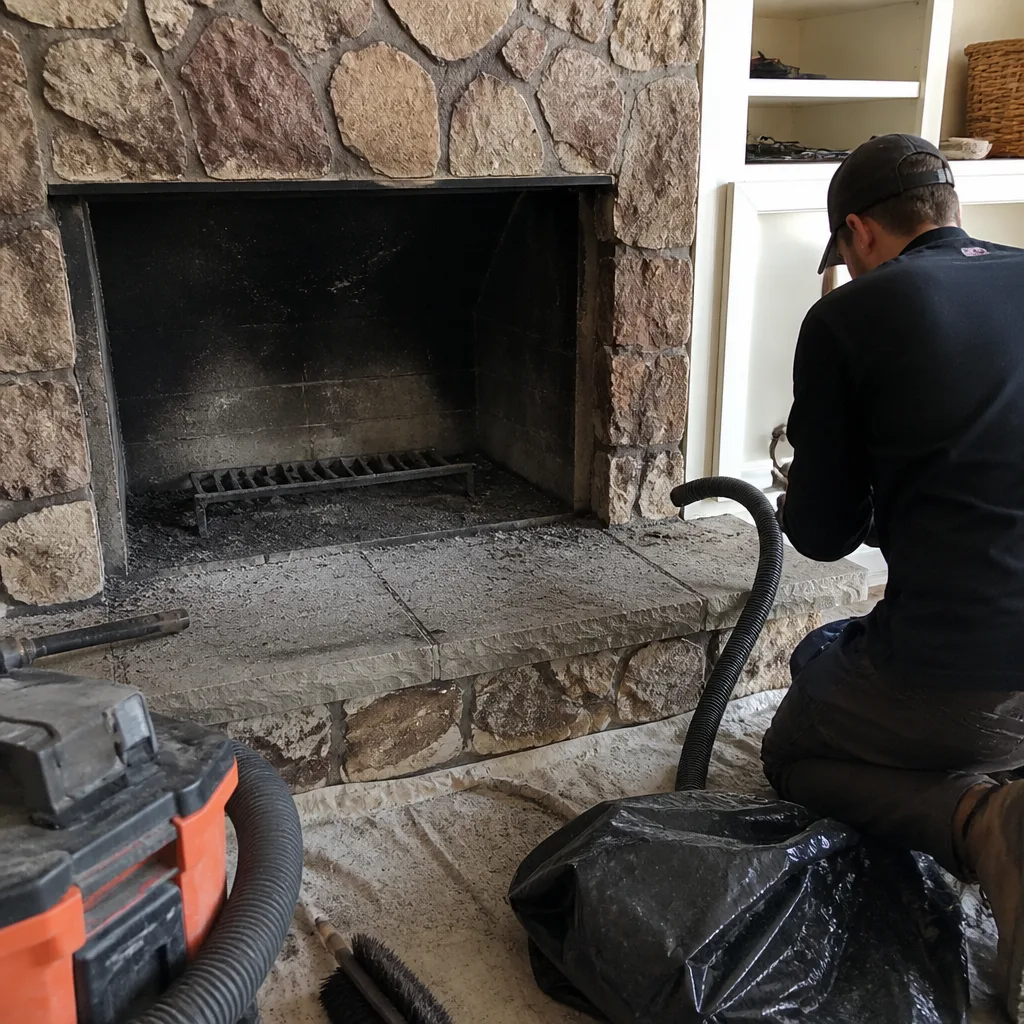 Before
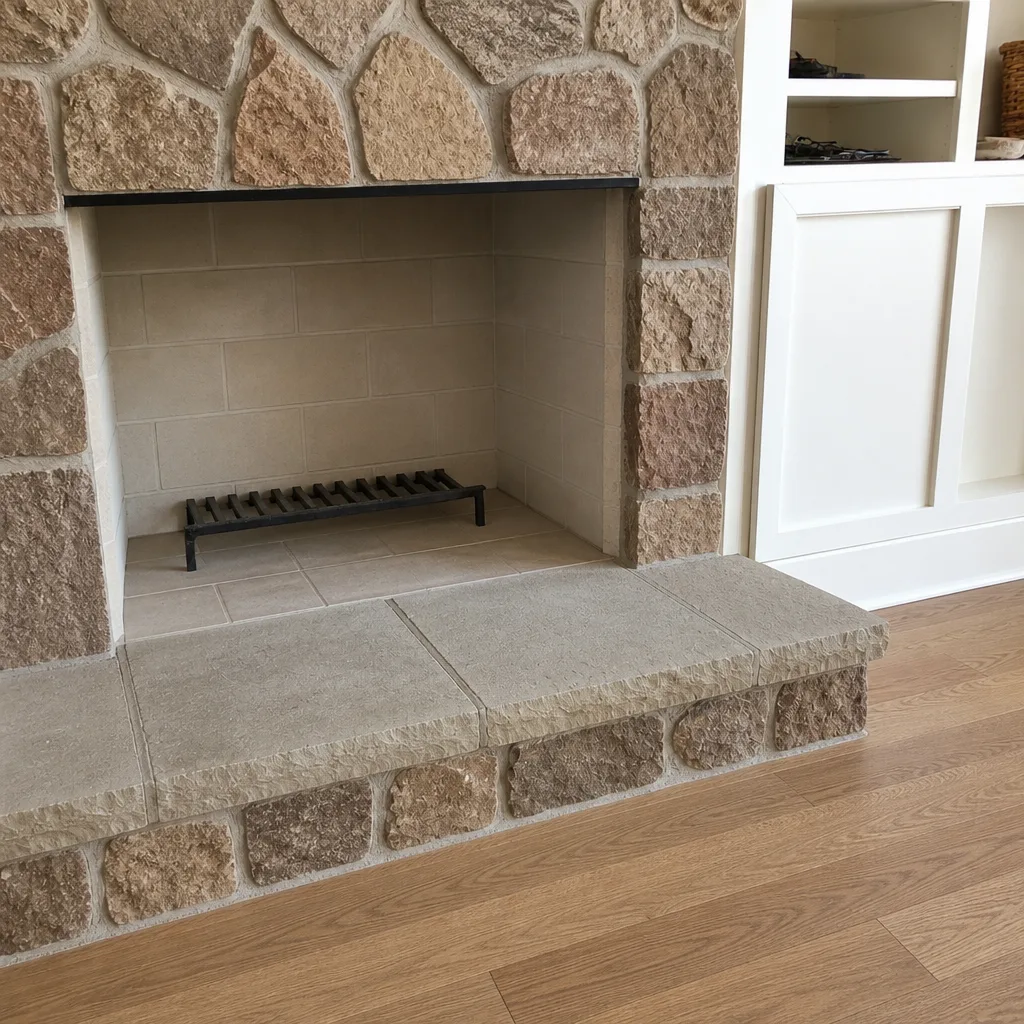 After
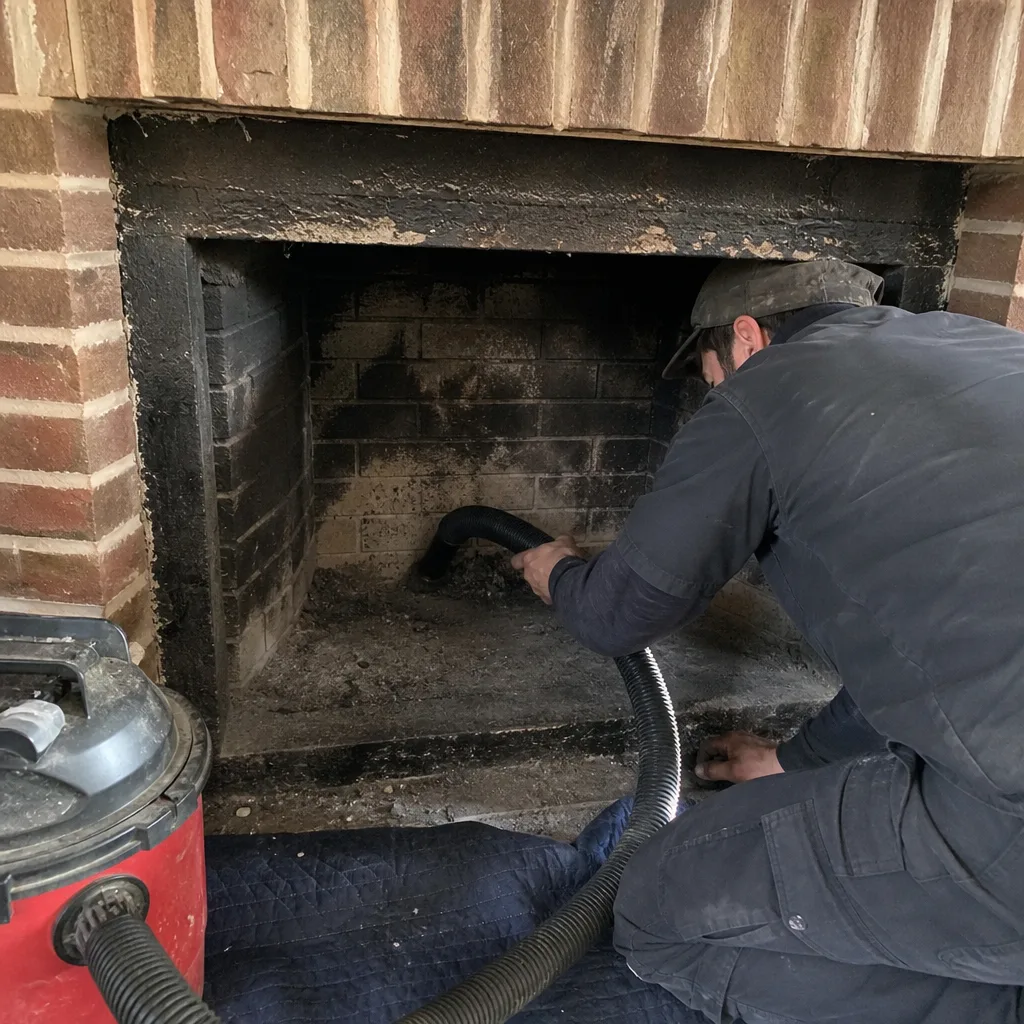 Before
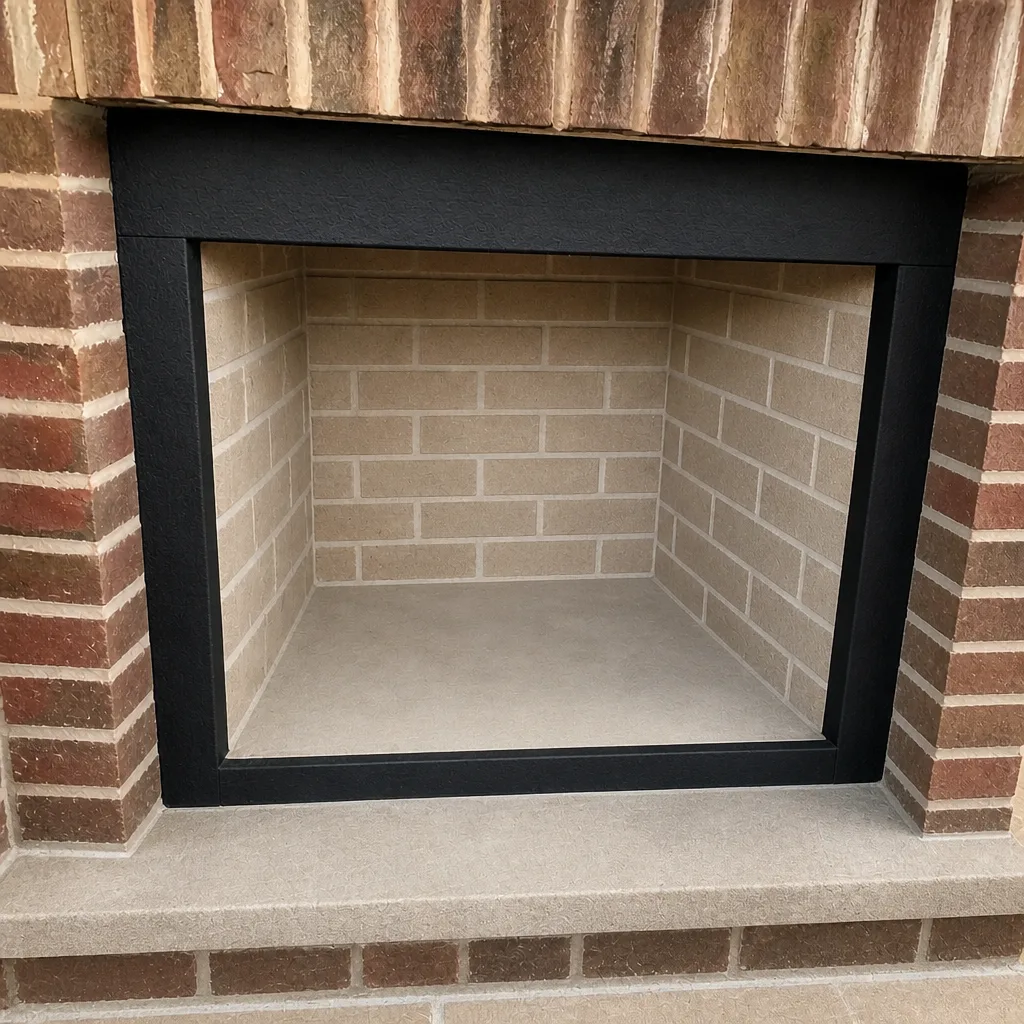 After
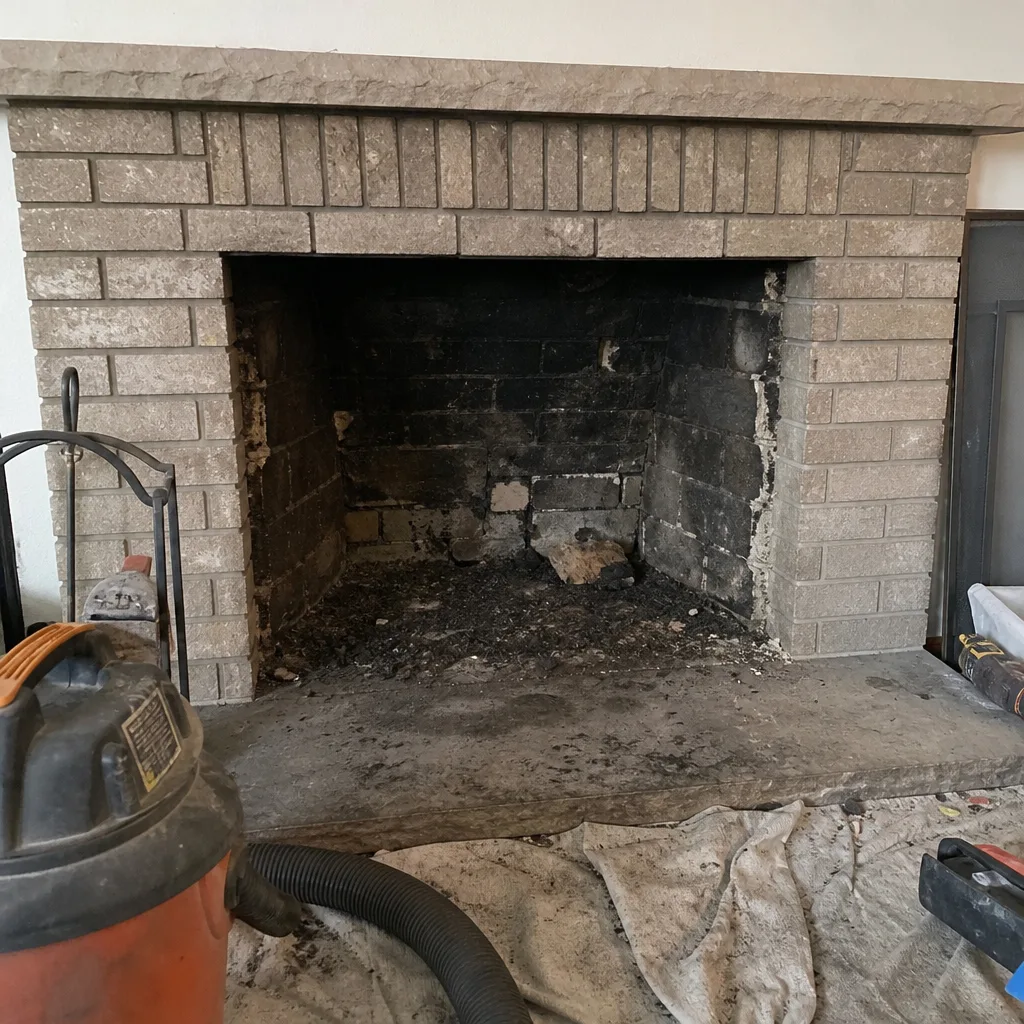 Before
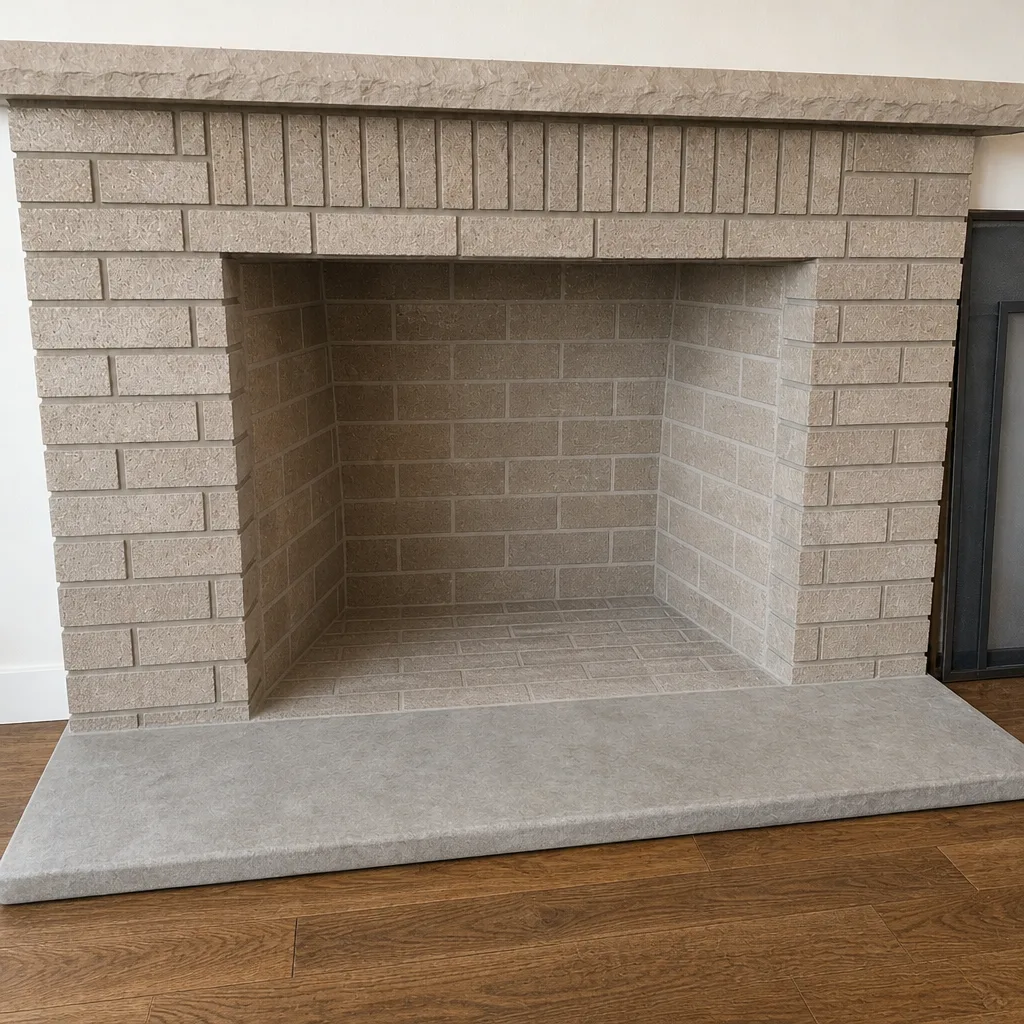 After
When to Call a Professional
Call a professional when you see cracked or missing crown material, water staining on the chimney exterior or ceiling, a damaged or missing cap, or a flue that has not been inspected since the last full season of burning. Call if you are buying or selling a house in Thornton and need an inspection before closing, or if you smell smoke in the house when the fireplace is not in use. Call if a previous contractor patched a crown and you want to know whether it actually held. Safety matters here: creosote buildup and a failed flue are a chimney fire and carbon monoxide risk, not a cosmetic problem, and a trained professional should be the one on the roof. Thornton Chimney Sweep Co offers free estimates in Thornton. Call (844) 443-4565.
Frequently Asked Questions
There is no single best brand; the right product depends on the job. For cleaning, professional-grade tools and chemicals matter less than the inspection that follows. For liner work, gauge, alloy, insulation, and installation method matter more than the brand. For crowns and sealants, a temperature rating for freeze-thaw cycling is the first thing to confirm. Professional-tier names like DuraFlex, HeatShield, Gelco, and Copperfield are good signals, but the specification behind the name is what protects your chimney. Call (844) 443-4565 for an exact quote; estimates are free.
A resurfacing product like HeatShield can repair a deteriorated flue tile in some cases without a full liner replacement, but it depends on the condition of the tile, which we confirm on camera before recommending anything. If the flue is sound enough for resurfacing, that is often the better repair. If it is not, a liner is the right call. Nothing is recommended without camera evidence you can see for yourself, and we will tell you plainly when a repair can safely wait. Call (844) 443-4565 for an exact quote; estimates are free.
A chimney sweep is priced per job by a written estimate, and the final price is set by that estimate after we have seen the chimney. The scope of the work, the condition of the flue, and whether an inspection or repair is needed all affect the price. We give you the estimate in writing before you book, so there is no surprise on the day. Call (844) 443-4565 for an exact quote; estimates are free.
Ask them to name the product, the category, and why they chose it for your chimney. A legitimate specialist can name the liner gauge, the alloy, the temperature rating of the crown coating, and the installation method without hesitating. Ask about the manufacturer warranty and whether it requires certified installation. If the answer is vague, ask again. You are not being difficult; you are protecting your investment in a repair that has to survive a Colorado winter.
Creosote builds up inside the flue, and glazed creosote is the fuel for a chimney fire. A cracked crown lets water into the masonry, and the freeze-thaw cycle widens the crack until the crown fails. A failed flue can let carbon monoxide into the house. None of these are cosmetic problems, and all of them are cheaper to address early. An annual inspection catches them while they are still small. Call (844) 443-4565 for an exact quote; estimates are free.
The brand matters less than the installation. Most professional-grade products carry manufacturer warranties that require the installer to hold the relevant certification and follow the manufacturer’s installation instructions. If those conditions are not met, the warranty can be denied regardless of the brand on the box. Ask for the product name, the installation method, and the warranty terms in writing. A specialist will provide all three. Call (844) 443-4565 for an exact quote; estimates are free.
The Bottom Line
The product your contractor specifies matters more than the logo on the bucket, and it matters more in Thornton than in most places because of the freeze-thaw cycle. Ask three questions: what product, what rating, and why. A specialist can answer all three. A generalist cannot. The right materials, installed to the manufacturer’s instructions by a credentialed contractor, are what protect your chimney, your safety, and your warranty coverage. One call covers cleaning, inspection, and any repair that follows. Call (844) 443-4565 for a free estimate. We answer 24/7. Fast dispatch from 7am to 7pm, Sunday through Friday.
Written by the team at Thornton Chimney Sweep Co.