
Last updated November 23, 2026
 Sweep & inspection
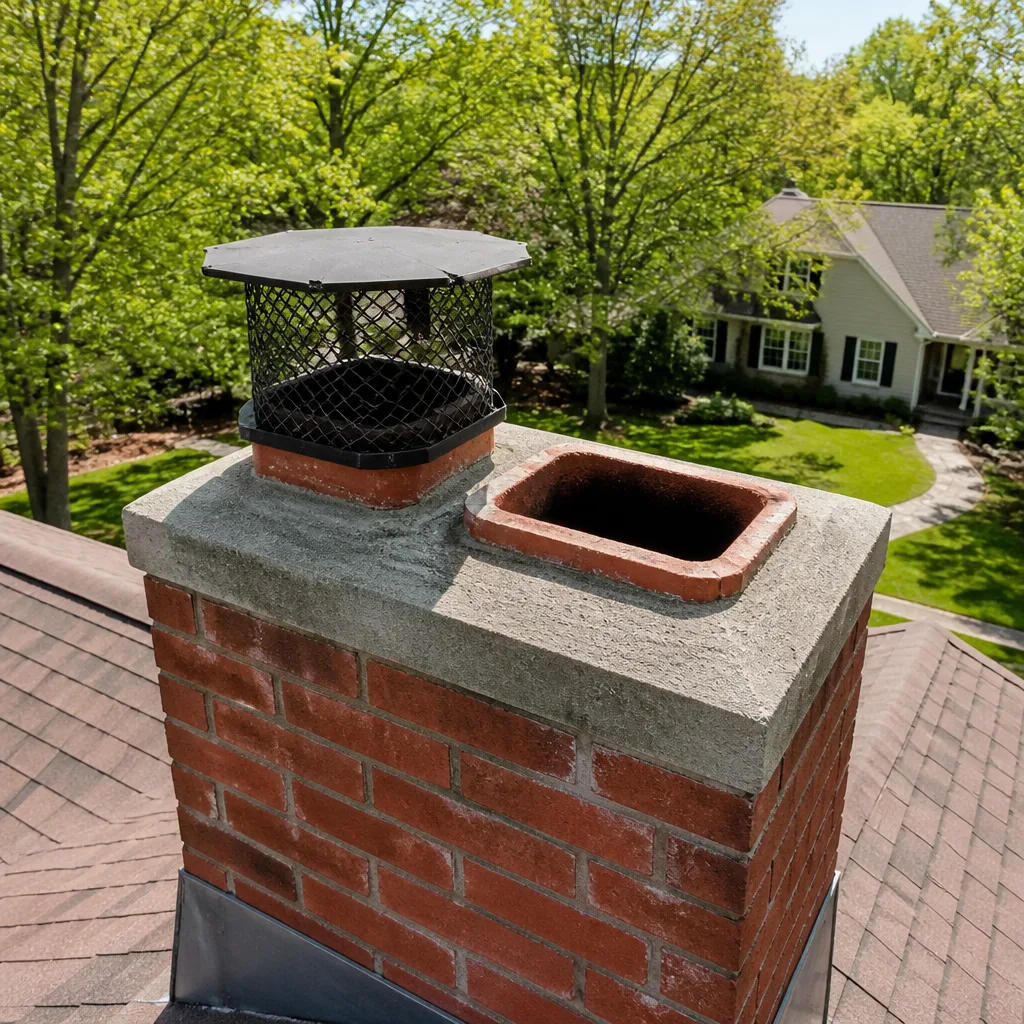
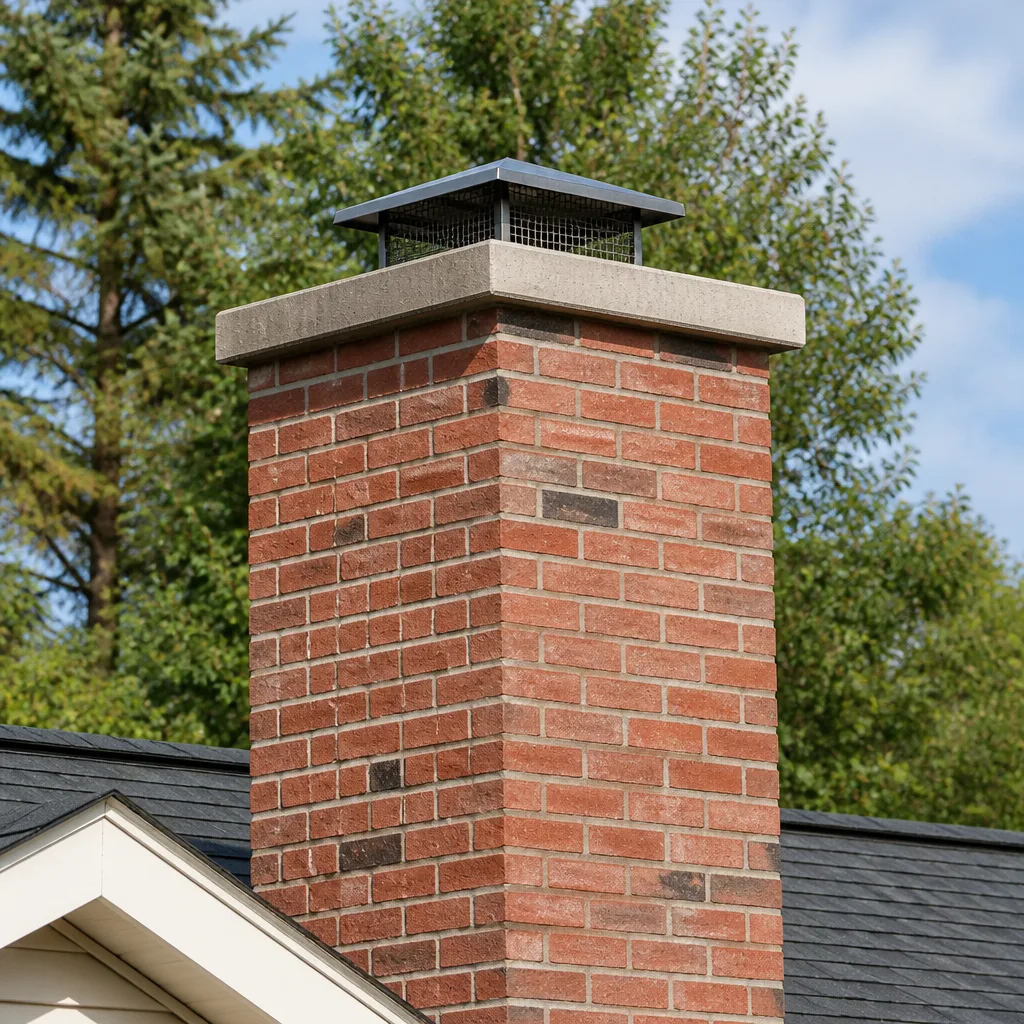 Caps & crowns
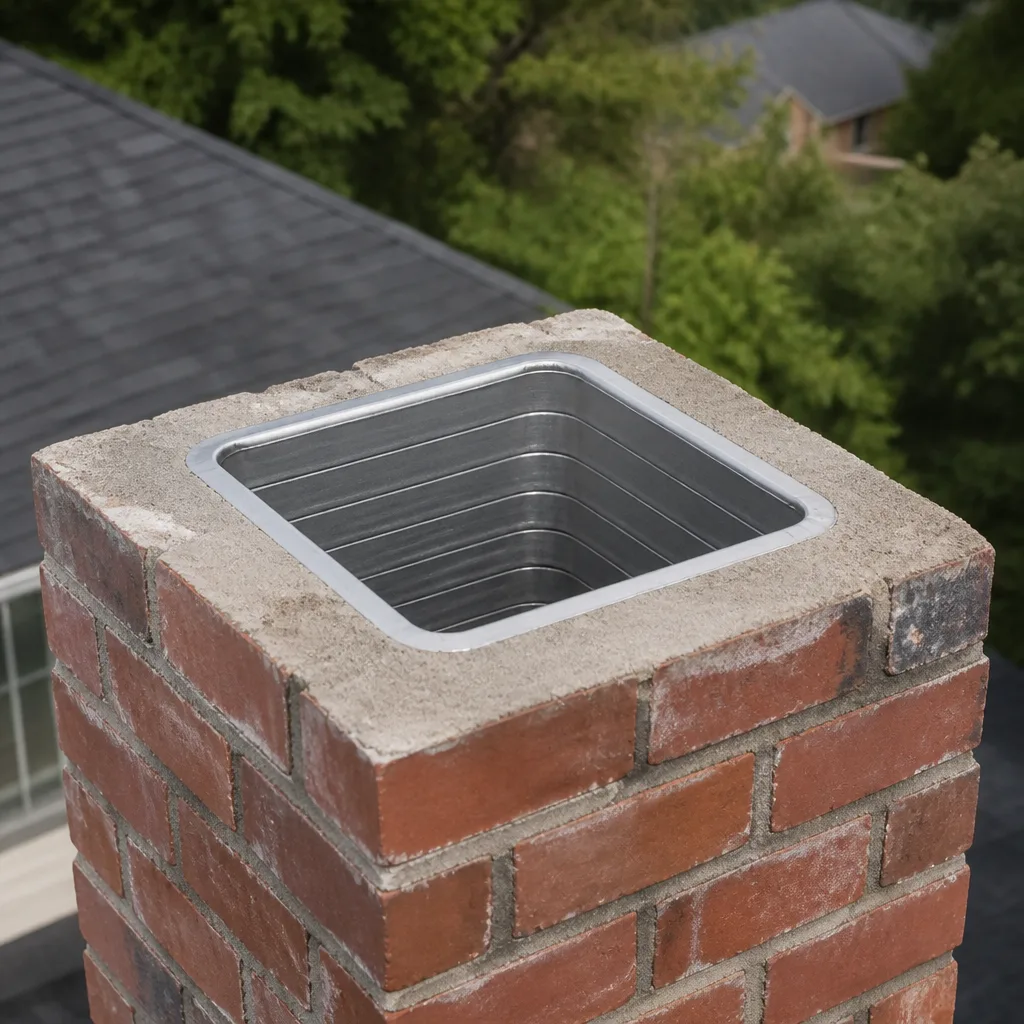 Flue relining
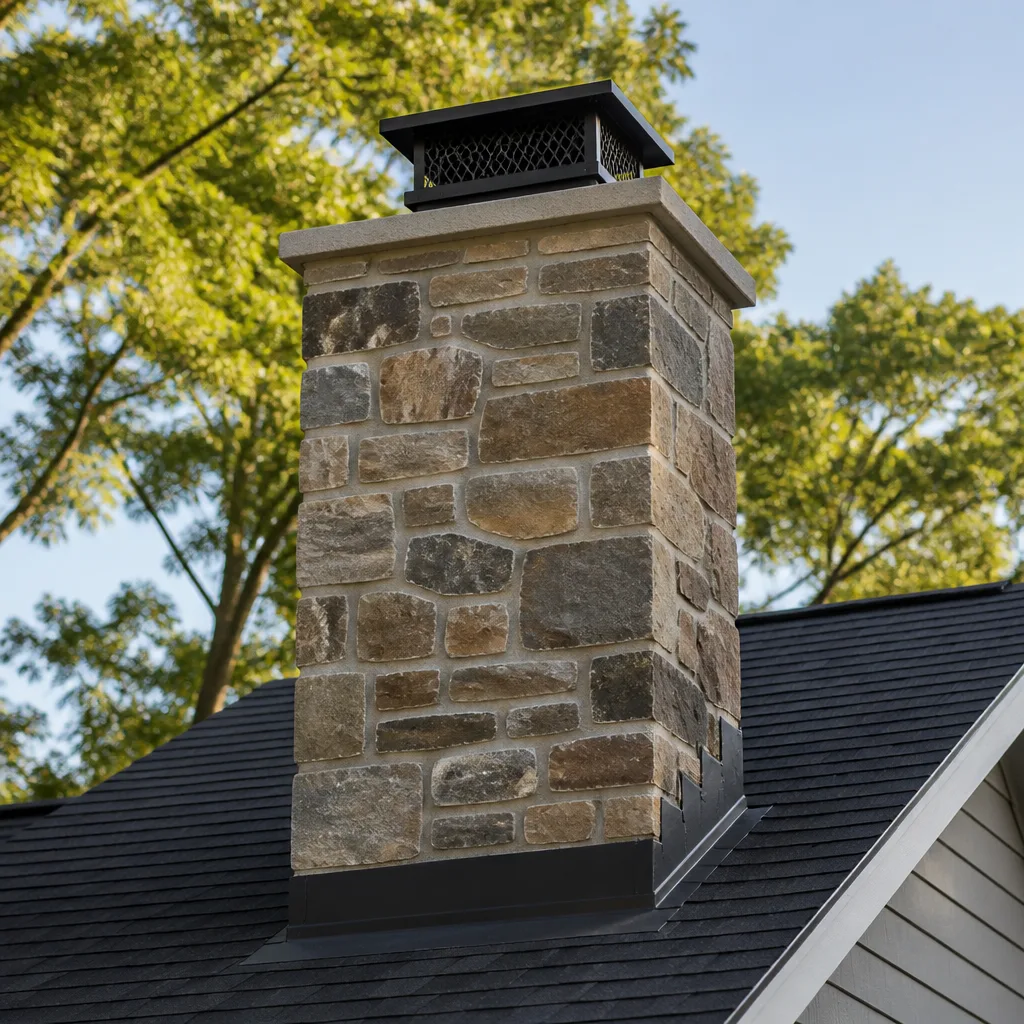 Masonry repair
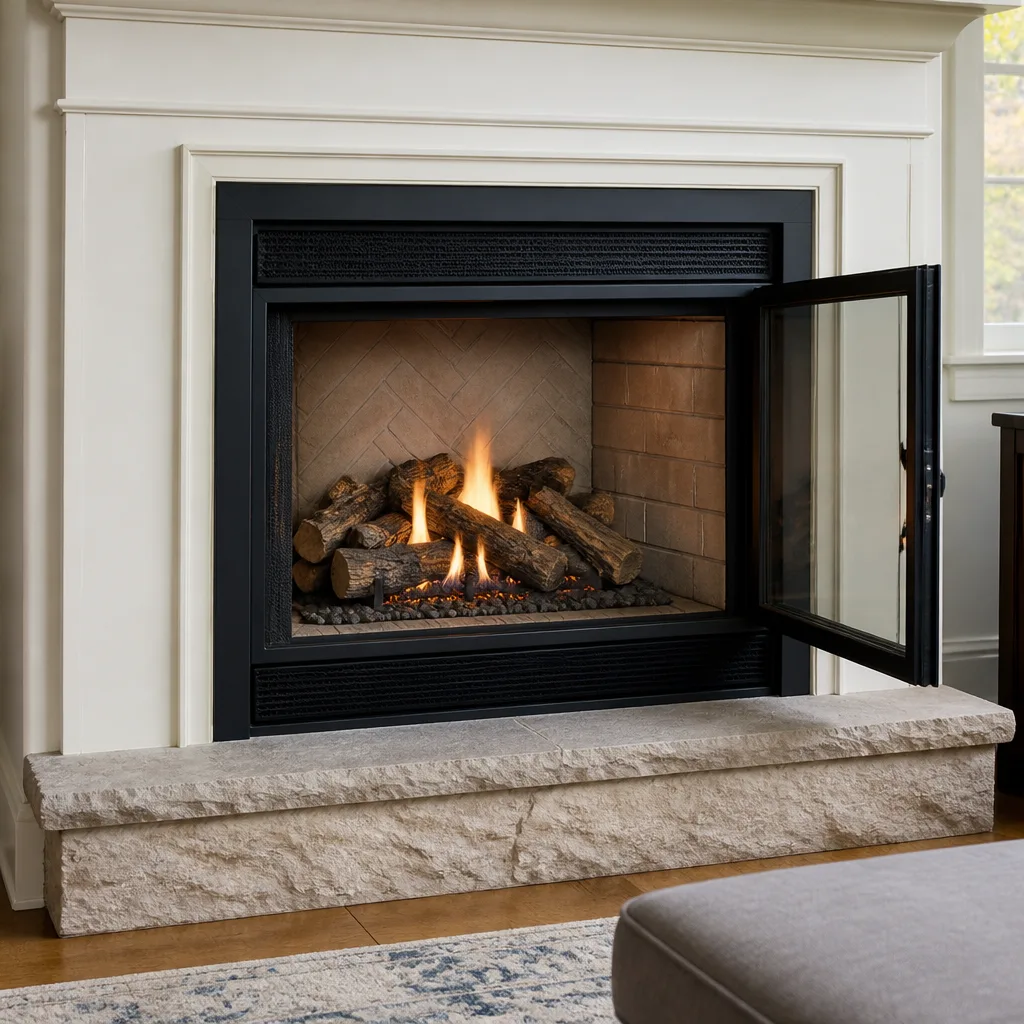 Gas fireplace service
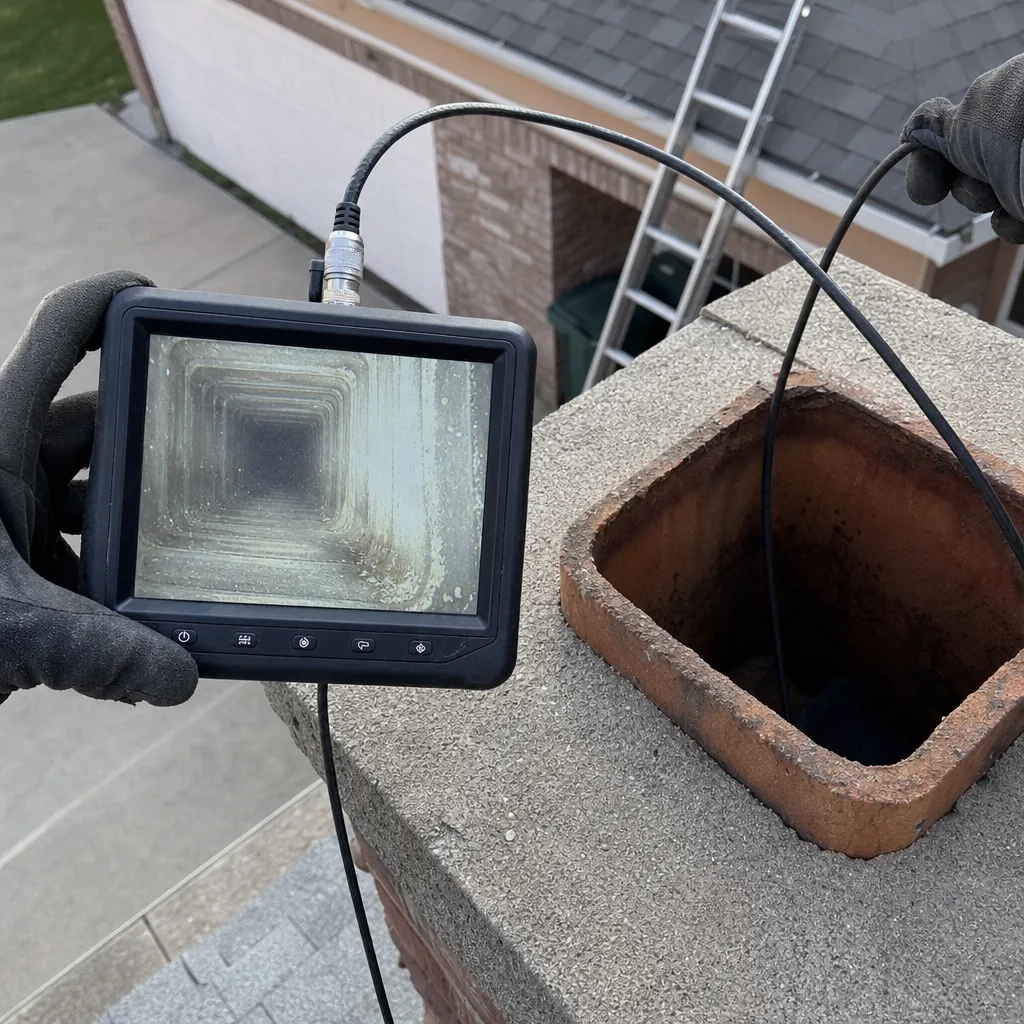
Level 1 sweep and inspection to the NFPA 211 annual standard - flue, crown, cap, and flashing checked and photographed
Chimney sweep logs do not sweep chimneys. They loosen some creosote - which then falls where a brush and vacuum still have to collect it.
DIY vs Professional Chimney Cleaning: The Thornton Homeowner’s Decision Guide
Here’s the part most cleaning guides skip: a motivated homeowner with the right brush kit can genuinely remove surface creosote from a straight flue. That part is real, and we won’t pretend otherwise. But the cleaning is the easy part. The hard part is seeing. Stage 2 glazed creosote looks almost identical to Stage 1 soot until you know exactly what you’re looking at, and by the time it’s glazed, no brush will move it. It needs chemical treatment, not scrubbing. This guide walks through what a careful DIYer can legitimately handle, what requires professional equipment and trained pattern recognition, and how to decide which camp your Thornton chimney falls into.
Styles & brands we work with
- Sweep & inspection
- Caps & crowns
- Flue relining
- Masonry repair
- Gas fireplace service
Quick Answer
DIY chimney cleaning is reasonable only for a straight, sound, recently inspected flue with light soot and a homeowner who has the right tools and a clear view of the flue interior. For offset flues, aging terra cotta liners, chimneys with no inspection on record, any sign of glazed creosote, or any post-hail damage to the crown or cap, professional cleaning in Thornton is the safer and ultimately cheaper route. The cleaning is the easy part. The diagnosis is what actually protects your house.
Table of Contents
- What a Qualified DIYer Can Legitimately Handle
- What DIY Cleaning Cannot Do
- Thornton Chimney Conditions That Make DIY Inadvisable
- What a Real DIY Attempt Actually Requires
- Honest Cost Comparison Once Equipment Is Factored In
- Liability and Insurance: What Happens After a Self-Cleaned Chimney Fire
- A Decision Framework for Thornton Homeowners
- Why Inspection Comes Before Any Cleaning Method
- Common Mistakes to Avoid
- When to Call a Professional
- Frequently Asked Questions
- The Bottom Line
What a Qualified DIYer Can Legitimately Handle
We’re not going to tell every Thornton homeowner they can’t touch their own chimney. That’s not honest, and it’s not how we work. There’s a real slice of chimney work that a careful, well-equipped homeowner can do safely and effectively. The trick is being honest about how narrow that slice actually is.
A qualified DIY chimney cleaning looks like this:
- A straight vertical flue with no offsets, no sharp turns, and no back-pitched sections. Straight runs are the only ones where a homeowner can genuinely verify the brush reached the full length.
- Light, dry, flaky soot or Stage 1 creosote. Stage 1 is the thin, dusty buildup that comes off with a stiff poly brush on the first pass.
- A flue that was inspected and cleared within the last year. If you don’t know what shape the liner was in the last time a professional looked at it, you’re not cleaning blind, you’re cleaning with hopes.
- A fireplace you use lightly and know well. An occasional fire in a firebox you understand is a very different animal from a heavily used insert or a wood stove that runs through the cold months.
- Proper containment. Drop cloths, a sealed firebox opening, a HEPA vacuum rated for fine ash, and a clear exit for the brush. Half the damage from DIY cleaning happens to the room, not the chimney.
- A real understanding of what “clean” looks like. That means a light dusting on the flue walls, no gloss, no tar-like patches, and no flaking buildup left behind.
If every one of those conditions is met, a homeowner working carefully with the right kit can complete a legitimate seasonal cleaning. That’s the honest answer. But notice how specific the conditions are. The moment one falls off, the equation changes. For most Thornton homes, at least one of these conditions doesn’t hold, which is exactly why a scheduled chimney sweep ends up being the practical call.
What DIY Cleaning Cannot Do
Cleaning a chimney is a mechanical action. Inspecting a chimney is a diagnostic act. They’re performed with different tools, at different depths, and with different assumptions. A brush and a shop vac can do the first. Nothing short of trained eyes and a camera can do the second.
Here’s what the cleaning itself cannot tell you:
- Whether you cleared the flue. From the top down, a brush feels the same whether it’s scrubbing the flue wall or hanging loose above an offset. From the bottom up, you can’t feel blocked sections at all.
- Whether that gray-white patch is ash or glazed creosote. Stage 2 creosote fuses to the flue and won’t come off with a brush. Stage 3 is the hardened tar that signals a chimney fire has been occurring at low smolder for a while. To an untrained eye, all three look like “buildup.”
- Whether the flue tiles are cracked. A hairline crack in a terra cotta liner is exactly the kind of defect a chimney fire finds first. It’s invisible without a camera, and it’s easy to miss with the naked eye even when you’re looking for it.
- Whether the crown is failing. Crown cracks let water into the chimney structure every freeze-thaw cycle, and Thornton sees plenty of those. The damage happens above the firebox and out of sight of anyone cleaning from the fireplace.
- Whether the cap is compromised. A missing or damaged cap is the single most common cause of chimney water damage. It’s not something you can see while your head is inside the firebox.
- Whether the smoke chamber needs attention. The corbeled section above the damper collects creosote in pockets that a flue brush can’t reach. Resurfacing that section is a job for a specialist product like HeatShield, not a hand brush.
This is where we see the real gap open up. A homeowner can clean their own chimney and still have no idea whether their chimney is safe. When we inspect a chimney in Thornton, we’re using a camera to look at what cleaning never touches. That’s the diagnostic layer. If you want to know what an inspection actually involves before climbing a ladder, that’s a conversation worth having.
Thornton Chimney Conditions That Make DIY Inadvisable
Thornton’s housing stock and climate create specific chimney problems that turn a manageable DIY project into a risky one. This isn’t a sales line. It’s a real set of conditions we see across the city, and they shape which homes can safely self-clean and which can’t.
Offset flues
Many Thornton homes have chimneys that don’t run straight from the firebox to the cap. The flue shifts sideways partway up, either to clear an interior wall or to meet the roofline. Offset flues are the single biggest reason DIY cleaning fails. The brush hits the offset, the homeowner thinks the flue is clean, and creosote builds up in the shadow behind the bend where nothing has scrubbed it.
Aging terra cotta liners
The older Thornton neighborhoods have terra cotta flue liners that are now decades into a lifespan of what was never meant to be endless. Terra cotta is durable but brittle. Freeze-thaw cycles, moisture intrusion, and the normal expansion of heated flue gases cause hairline cracking over time. A brush that catches a spalling tile edge can cause real damage. Resurfacing with HeatShield addresses deteriorated flue tile without a full liner replacement, which is often the better answer than pushing a brush through broken clay.
Post-hail damage
Thornton sits squarely in Colorado’s hail belt. Hail that dents a metal cap, chips a concrete crown, or cracks a clay flue tile at the top of the chimney leaves a hole in the system that water will find. Hail damage often goes unnoticed until a homeowner notices staining on the ceiling or a chimney that drafts worse than it used to. A self-cleaning that ignores the damage at the top of the stack is paperwork without the inspection behind it.
Post-pressure-treated wood
More and more Thornton fireplaces are burning processed or pressure-treated wood from renovation projects. That wood burns hotter, produces more creosote, and leaves corrosive residue in the flue. A brush will remove the visible soot, but not the diagnosis of whether the residue has begun attacking the liner. We only recommend work when we can see the evidence on camera, and a homeowner cleaning their own flue has no equivalent view.
What a Real DIY Attempt Actually Requires
The $30 chimney brush kit from the hardware store isn’t what a genuine DIY cleaning looks like once you’re doing it properly. When we see homeowners attempt cleanings with the cheap kit, the failure modes are predictable: brushes too stiff for the flue, rods that flex under load, and vacuums that spread fine ash through the house instead of containing it.
A real attempt requires:
- A properly sized poly brush. The brush has to match the flue dimensions, not be a “close enough” one-size kit. Too small and it never touches the walls. Too large and it jams or damages the liner.
- Rigid fiberglass rods. Flexible drain-auger rods are the wrong tool. They whip, they don’t transmit force, and they can’t be steered around an offset.
- A HEPA-rated fine-particle vacuum. Ash is finer than drywall dust and settles into HVAC systems and furniture upholstery. A shop vac stirs it back into the air.
- A chimney-top access setup. Either roof access that’s safe in the conditions you’ll be working (Thornton gets snow and ice on roofs from November into March), or bottom-up rods with a proper sealing collar at the firebox.
- Respiratory protection and eye protection. Creosote dust is a known irritant and carcinogen. That’s not a marketing scare tactic, it’s the chemistry of the residue itself.
- Drop cloths and a firebox seal. Heavy canvas, not thin plastic, and an actual sealed opening around the rods so the dust goes where the vacuum is, not into the room.
- A camera-based flue inspection tool. Even a basic wifi borescope gives you a picture of what the brush left behind. Without one, the “clean” is a guess.
- A way to verify the cap and crown from the ground. Binoculars and a phone camera zoomed in will tell you more about the top of the stack than a ladder in bad weather ever will.
None of those items is unreasonable to own if you’re serious about doing this yourself. But add them up, and the “cheap DIY cleaning” story starts to change. If you want to talk through what the professional version looks like, our Thornton Chimney Sweep Co team handles all of this equipment as part of an ordinary standard job.
Honest Cost Comparison Once Equipment Is Factored In
Here’s where the DIY pitch falls apart. The comparison people usually make is between a bag of brushes at the hardware store and a professional cleaning visit. That’s not the comparison. The real comparison is between the full DIY cost of ownership (brush, rods, HEPA vac, borescope, safety gear, storage, periodic replacement, and the risk of a self-inflicted flue problem) and a scheduled professional visit.
Broken down across the tools that a real DIY kit requires:
- Poly brush sized to the flue: modest, but you may need two sizes for a flue plus a smoke chamber brush.
- Rigid fiberglass rods (a set long enough for a typical Thornton two-story chimney): this is where DIY gets expensive fast. Cheap rods break; proper ones cost several times what people expect.
- HEPA fine-particle vacuum with chimney attachments: a meaningful upfront purchase, and it has to be maintained and stored between uses.
- Inspection camera: even a basic wifi borescope is a real cost, and the picture quality is only useful if you know what you’re looking at.
- Respirator, eye protection, drop cloths, sealing collar: small individually, real in aggregate, and they all wear out.
- Replacement and storage: brushes deform, rods lose sections, seals degrade, and all of it has to live somewhere dry between annual cleanings.
Add it up and a homeowner serious about DIY is looking at a real equipment investment before the first cleaning. From that point on, the annual cost of a chimney sweep in Thornton is competitive with the equipment maintenance the DIY route requires, and it comes with an inspection and photo report attached. That’s before you account for the thing you can’t buy at any hardware store: trained pattern recognition. A camera sees the flue. Knowing what the picture actually means is the part that has to come with the technician.
The honest framing here is that DIY is genuinely cheaper for exactly one homeowner: the one with a straight, new, already-inspected flue who uses the fireplace sparingly and who’s willing to buy and store the gear. For everyone else, the equipment calculation goes sideways quickly.
Liability and Insurance: What Happens After a Self-Cleaned Chimney Fire
Nobody wants to think about this section until they have to. That’s exactly why we’re going to walk through it plainly. The question isn’t whether you can clean your own chimney. It’s what happens to your claim if a chimney fire ignites and your self-cleaning is on the record.
Insurance claims are investigated by adjusters whose job is to determine cause and fault. A chimney fire is one of the few residential fire causes where investigators look specifically at maintenance records. If the flue shows signs of neglected creosote (glazed Stage 2 or Stage 3 buildup), a claim can be complicated by a “failure to maintain” determination. That doesn’t automatically mean a denial, but it does mean the claim shifts from routine to contested, and the burden falls on the homeowner to prove the chimney was properly maintained.
Here’s the specific problem with DIY on this point:
- A professional sweep documents the inspection. There’s a written record of what the flue looked like before and after, often with photos. That record exists regardless of what happens next, and it’s the first thing an adjuster asks for.
- A DIY cleaning leaves no paper trail. The homeowner cleaned it. There’s no third-party record, no camera report, no documented date. It becomes the homeowner’s word against the damaged flue in front of the adjuster.
- Damage caused during cleaning can be worse than no cleaning. A brush that cracks a tile or dislodges a piece of clay creates a defect the insurance company will classify as damage caused by the homeowner, not by a chimney fire. Coverage for that kind of damage is where policies get thin.
- The inspection gap is what claims actually hinge on. An annual professional inspection is the record that matters. If you’ve been cleaning your own chimney for years without a documented inspection, you have cleaning history and no inspection history, and those are not the same thing in an adjuster’s file.
We’re not in the business of scaring people into our services. What we are is a company that handles chimney claims on a schedule. When a homeowner calls after a chimney fire, the first question their adjuster asks is for the last inspection report. The homeowner who can produce one has a very different conversation than the homeowner who can’t. Our team can help you get that documentation in place with a proper chimney inspection before anything else happens.
A Decision Framework for Thornton Homeowners
We don’t want to hand you a rule and expect you to follow it blindly. We want to give you a framework, so you can decide honestly where your home sits. Answer three questions.
- How often do you burn? A few fires a season in a firebox you know well trends toward “you can probably DIY.” Fires several times a week all winter, or an insert running as supplemental heat, trends toward “schedule a professional cleaning and inspection.” More burning means more creosote, and creosote buildup is what eventually forces a chemical treatment, not a brush.
- How old is the chimney, and what’s the liner made of? A modern home with a newer metal liner is very different from a 1960s, 70s, or 80s Thornton home with terra cotta tiles that are approaching their limit. Terra cotta is where we see almost all of the damage that a homeowner accidentally causes while cleaning. If you don’t know what your liner is, that’s your answer: call for an inspection before cleaning.
- When was the last professional inspection? If the answer is “within the last year” and it came back clean, DIY is defensible. If the answer is “I’ve never had one done” or “not in years,” DIY is not the right next move. Something in the system has changed since the last time eyes were on it, and you don’t know what.
Map the answers together. Three “favorable” answers (light use, newer liner, recent inspection) means DIY is within reach for a careful homeowner. Two favorable and one unfavorable means schedule the inspection before touching a brush. Zero or one favorable means skip DIY entirely. That’s the honest heuristic we’d give a neighbor, and it’s the one we use when talking to homeowners in Denver and the surrounding north-metro area.
Why Inspection Comes Before Any Cleaning Method
Whatever you decide on the DIY vs professional question, the first step is the same: inspection. Cleaning without inspection is cleaning without a plan. You don’t know what you’re clearing, you don’t know what you might damage, and you don’t know whether the chimney should be cleaned at all until someone has actually looked at it.
An inspection covers ground that cleaning doesn’t touch:
- Flue interior. Camera work from the top down and the bottom up, looking for cracks, gaps in the mortar joints, spalling tile, and creosote stage.
- Smoke chamber and damper. This is where the geometry gets awkward, and where creosote hides in pockets the flue brush never reaches.
- Firebox integrity. Cracks in the firebox brick or gaps in the mortar can let heat and gases escape where they shouldn’t. This is also where we identify whether fireplace repair work is needed.
- Crown and cap. From the roofline, or from the ground with a zoomed camera, we check the crown for cracks and the cap for damage. Hail damage shows up here first.
- Exterior chimney structure. Brick spalling, mortar joint deterioration, and signs of water intrusion. When we see structural issues, we address them as part of chimney repair rather than referring out.
- Draft and ventilation. A chimney that drafts poorly isn’t always a cleaning issue. Sometimes it’s a cap problem, sometimes a flue dimension problem, and sometimes a house pressure problem.
The point of an inspection isn’t to talk you into work. It’s to hand you evidence. When we recommend a repair, we show you the photo. When we tell you the chimney can safely wait until next season, we say that too. That’s our standard: inspect before we recommend, and let the camera make the case.
Common Mistakes to Avoid
- Buying the $30 brush kit and calling it done. Those kits are too small, too flexible, and paired with the wrong equipment to contain the ash. In a Thornton home with an offset flue, they’re essentially guaranteed to leave the creosote behind the bend.
- Cleaning without a documented inspection first. If you don’t have a professional inspection on record, you don’t know what you’re cleaning. That’s the mistake that turns a routine annual job into a contested insurance claim later.
- Assuming glazed creosote is just heavy soot. Stage 2 creosote fuses to the flue wall and won’t come off with a brush, no matter how hard you scrub. The chemical treatment is not optional once it’s glazed.
- Ignoring the top of the chimney. Post-hail damage to the crown, cap, or flue tile at the roofline is invisible from the firebox and is the single most common source of chimney water damage in Thornton.
- Skipping the smoke chamber. The corbeled section above the damper is where creosote quietly accumulates in the pockets a flue brush can’t reach. If the smoke chamber has never been properly addressed, it’s the one part of the system that stays dirty no matter how diligent the annual cleaning.
- Cleaning in bad weather on a roof. Thornton’s winters put ice and snow on roofs from November through March. Climbing a wet, snowy roof to clean from the top is where a lot of the injuries in this trade happen, DIY or professional.
- Doing the cleaning and skipping the record. No date, no photos, no report. In five years if there’s ever a claim, you have no way to prove the chimney was maintained.
When to Call a Professional
Some situations call for a professional, full stop. If any of these describe your chimney, DIY cleaning isn’t the right call:
- You have an offset flue, or you don’t know whether you do.
- Your home was built before roughly 1990 and has the original terra cotta liner still in place.
- You’ve never had a professional inspection, or you can’t remember the last one.
- The chimney sits on a roof that’s currently snow-covered, icy, or steep.
- Your fireplace smokes into the room, drafts backward, or smells like creosote in warm weather.
- You see staining on the ceiling near the chimney chase, or a damaged cap or crown.
- You’re buying or selling a Thornton home and need the inspection report for closing.
Thornton Chimney Sweep Co offers free estimates in Thornton. Call (844) 443-4565 and we’ll book a time for a proper look. Our technicians have up to 9 years of experience, we install professional-grade caps, crowns, and liners (DuraFlex, Olympia Chimney, Famco, Copperfield, and others), and every job ends with you holding the same photos we’re looking at.
Frequently Asked Questions
You can clean a straight, sound, recently inspected flue with light soot and the right tools, but most Thornton chimneys don’t meet every one of those conditions. Offset flues, aging terra cotta liners, and post-hail damage on the cap or crown are all common here, and each one shifts the answer toward professional cleaning. If you’re not sure which category your chimney falls into, that uncertainty is your answer.
Stage 1 is the thin, flaky soot that comes off with a poly brush. Stage 2 is glazed, hardened creosote that has fused to the flue wall and cannot be removed by a brush at all, only by chemical treatment. The problem for DIY cleaning is that Stage 1 and Stage 2 look almost identical until you know what you’re looking at, and by the time Stage 2 is obvious, brushing it has become pointless.
If you burn wood regularly, an annual inspection and cleaning is the standard, and it’s the same expectation most chimney professionals work from. If you burn occasionally, the schedule stretches, but you still want an inspection at least once a year so you have a documented record of the chimney’s condition. The inspection is the floor; the cleaning is scheduled based on what the inspection finds.
Creosote accumulates on the flue walls and moves from Stage 1 to Stage 2 to Stage 3 with continued burning. Stage 3 is hardened, tar-like residue that signals sustained low-smolder burning, and it’s a fire hazard regardless of how much you clean going forward. The lower risk of skipping is inefficient draft and higher creosote levels. The higher risk is a chimney fire, which is why we don’t recommend skipping multiple seasons on a wood-burning chimney.
It depends on the policy, but the general answer is that homeowner-caused damage during cleaning is where coverage gets thin. The bigger issue is that a self-cleaned chimney leaves no inspection record, so a claim after a chimney fire is much harder to support than one that follows a documented professional inspection. The insurance angle isn’t a reason to avoid cleaning; it’s a reason to have the cleaning and the inspection record both on paper.
A professional cleaning in Thornton includes a full camera inspection of the flue, smoke chamber, damper, and firebox; a proper cleaning of the flue and brushable surfaces; a check of the cap, crown, and exterior structure; and a written report with photos of anything we found. Where resurfacing is needed, we use HeatShield; where caps and crowns are involved, we install professional-grade products like Copperfield and Olympia Chimney. The cleaning is the visible job. The documentation is what protects your home and your claim history.
The Bottom Line
DIY cleaning isn’t wrong across the board, but it’s a narrower option than the hardware-store brush kit suggests. The cleaning is the easy part. The diagnosis is what actually protects your house, and diagnosis requires a camera, an understanding of what the picture means, and a documented record of what was found. For a Thornton homeowner with a straight flue, a newer liner, and an inspection within the last year, careful DIY is a defensible choice. For everyone else, the honest move is to have a professional inspection first, regardless of who does the cleaning afterward. One phone number gets you the inspection, the cleaning, and the repair if any is needed, all under one company that handles the full chimney, from the firebox floor to the crown cap.
Questions about your specific chimney? Call Thornton Chimney Sweep Co at (844) 443-4565 for a free estimate. We answer 24/7. Fast dispatch from 7am to 7pm, Sunday through Friday.
Written by the team at Thornton Chimney Sweep Co.
See the difference
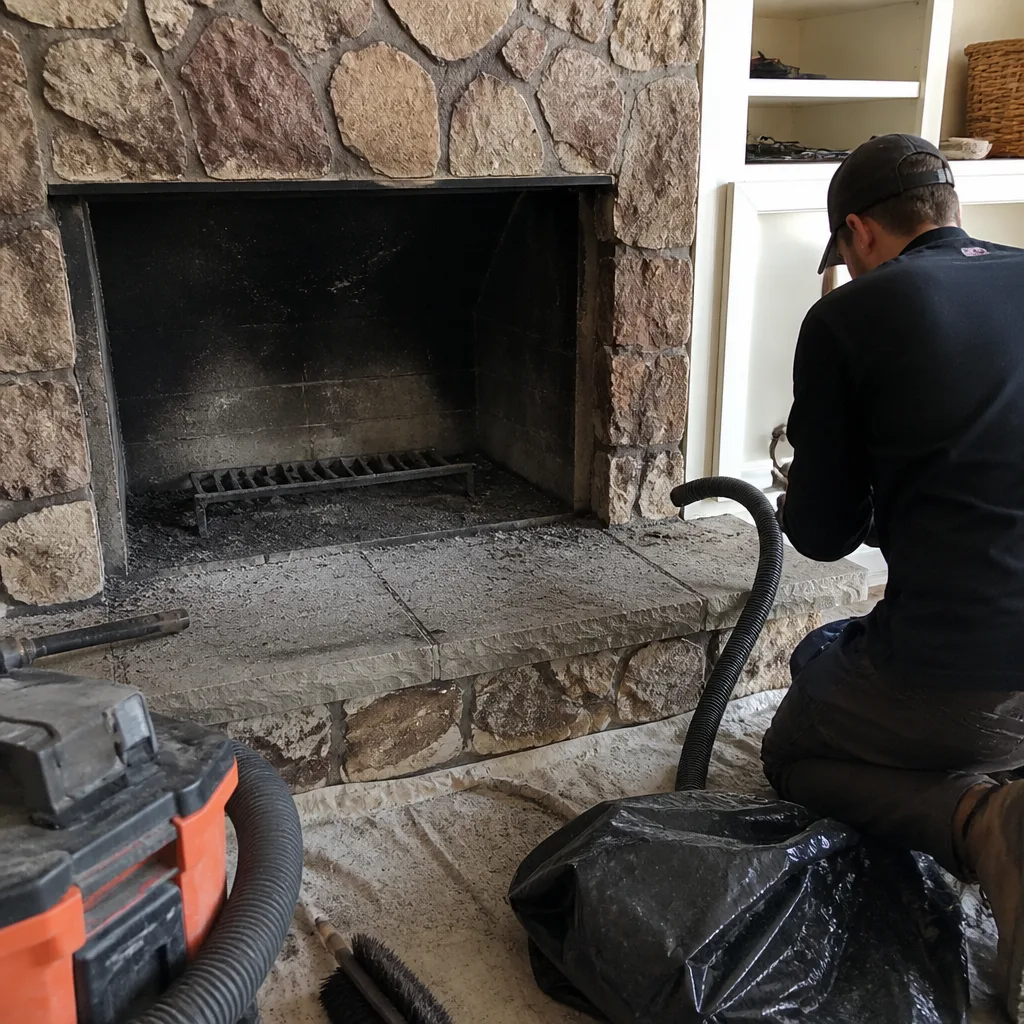 Before
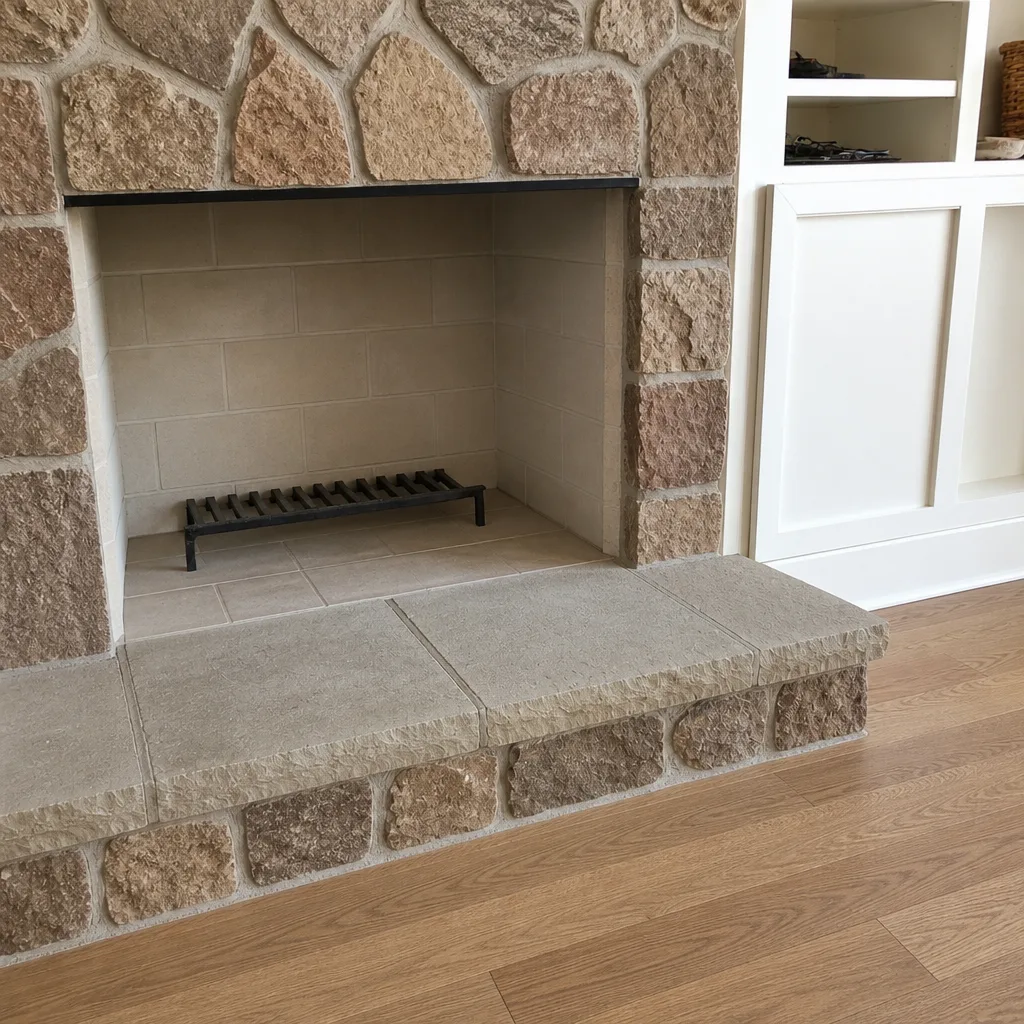 After
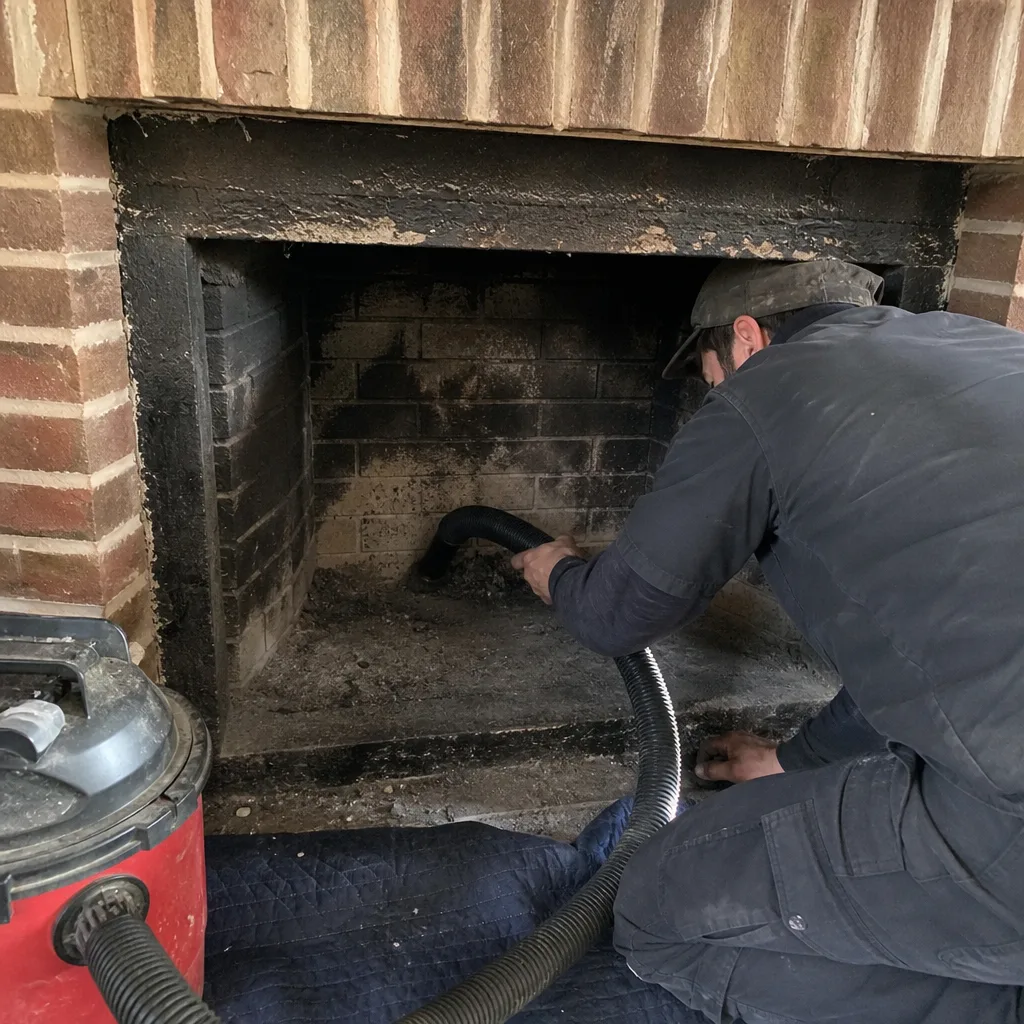 Before
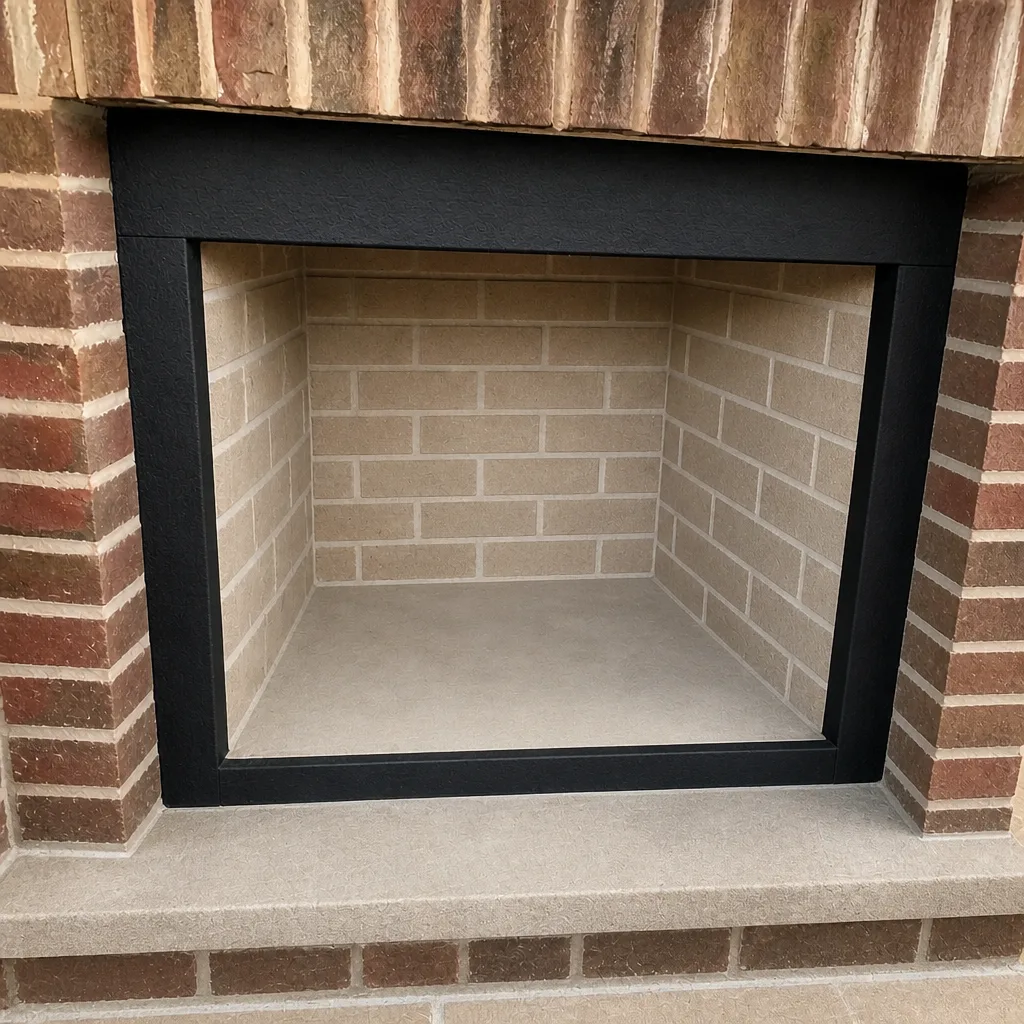 After
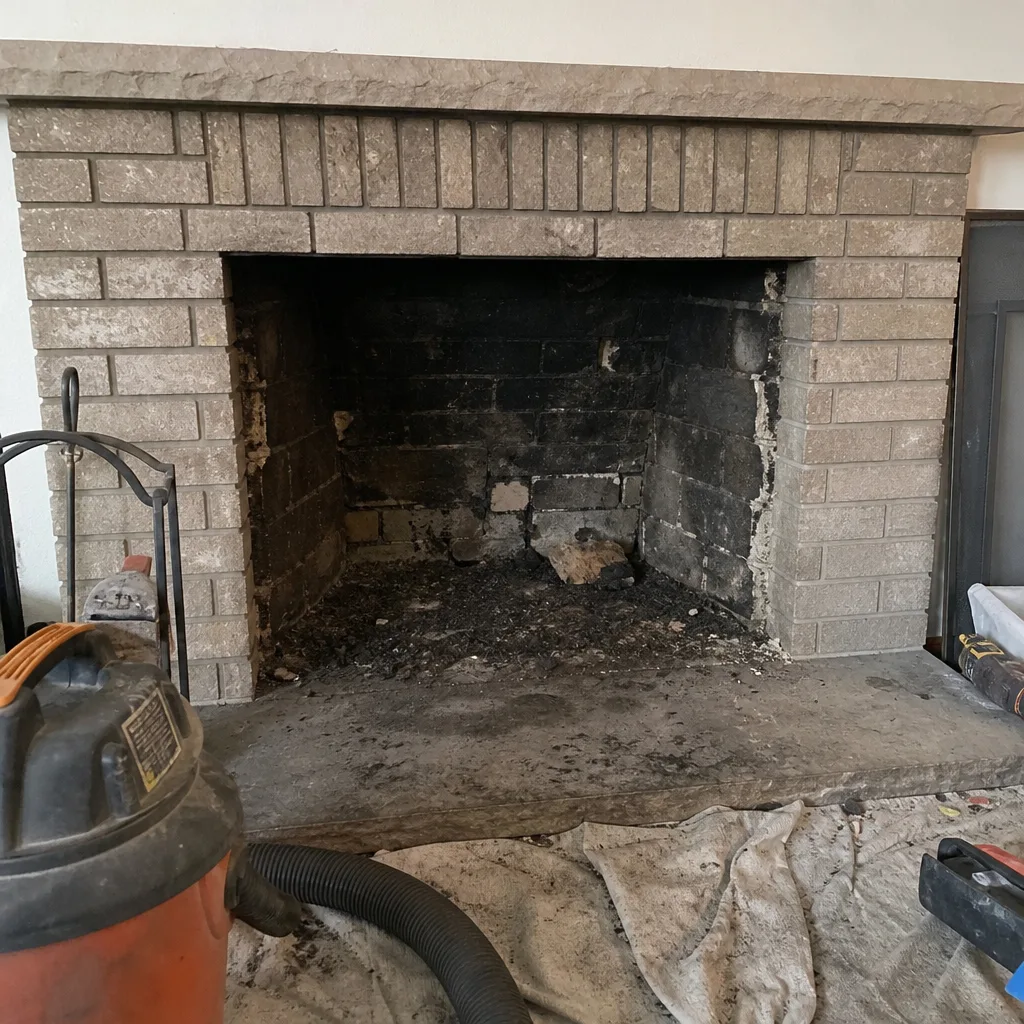 Before
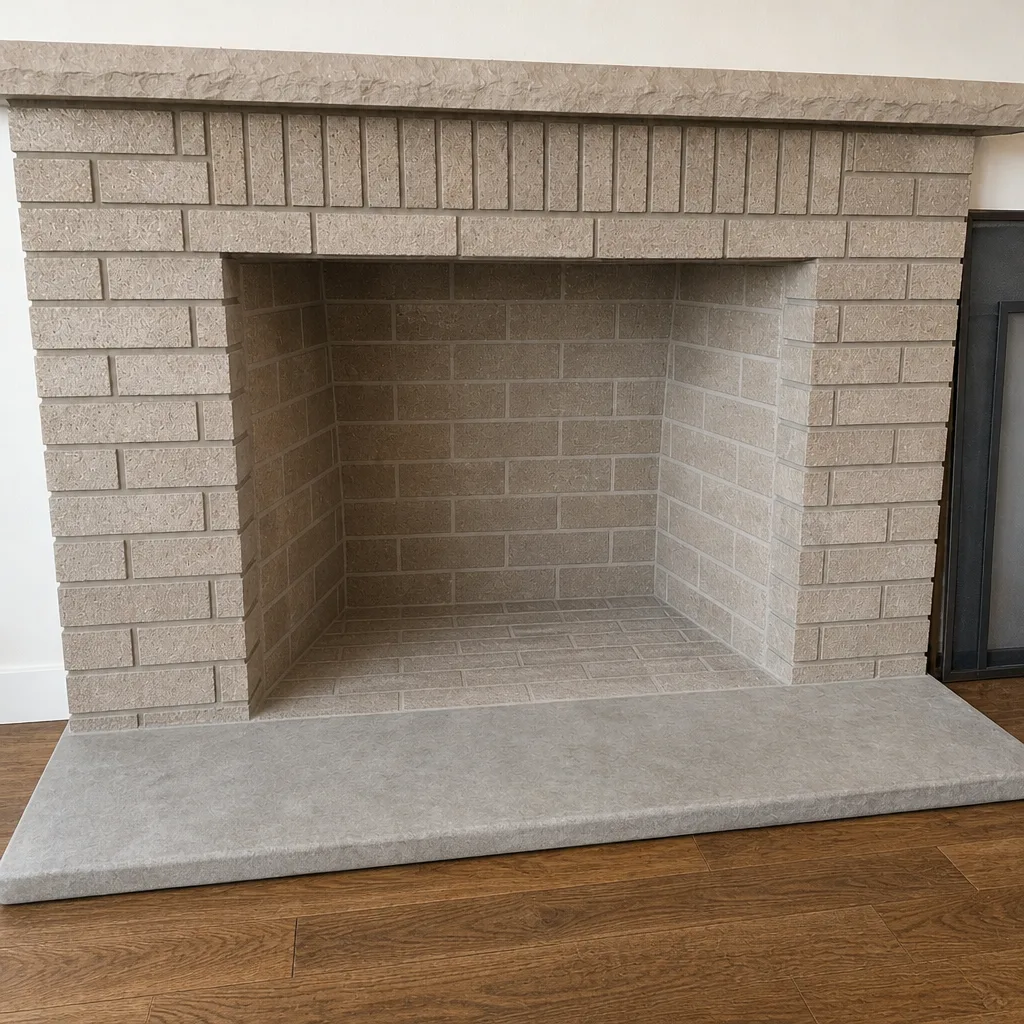 After