
Last updated November 23, 2026
 Sweep & inspection
 Caps & crowns
 Flue relining
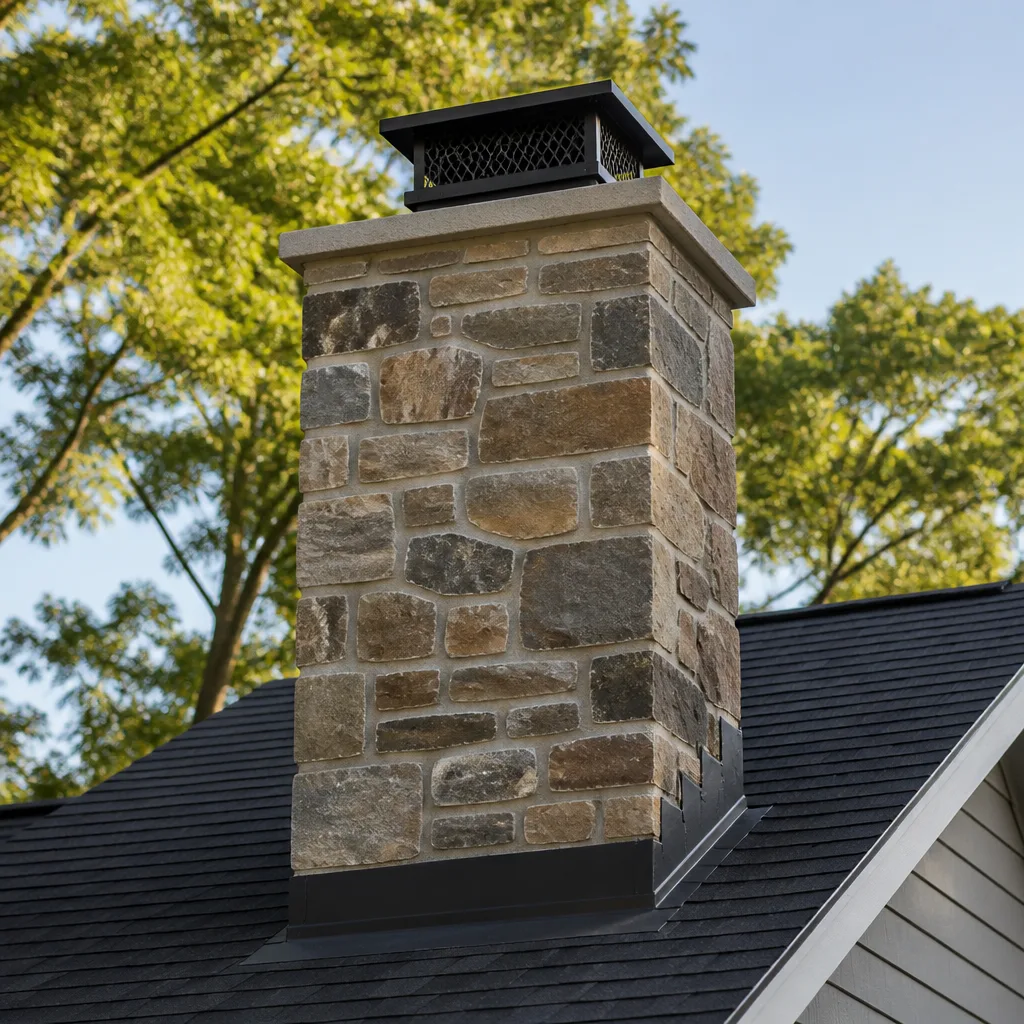 Masonry repair
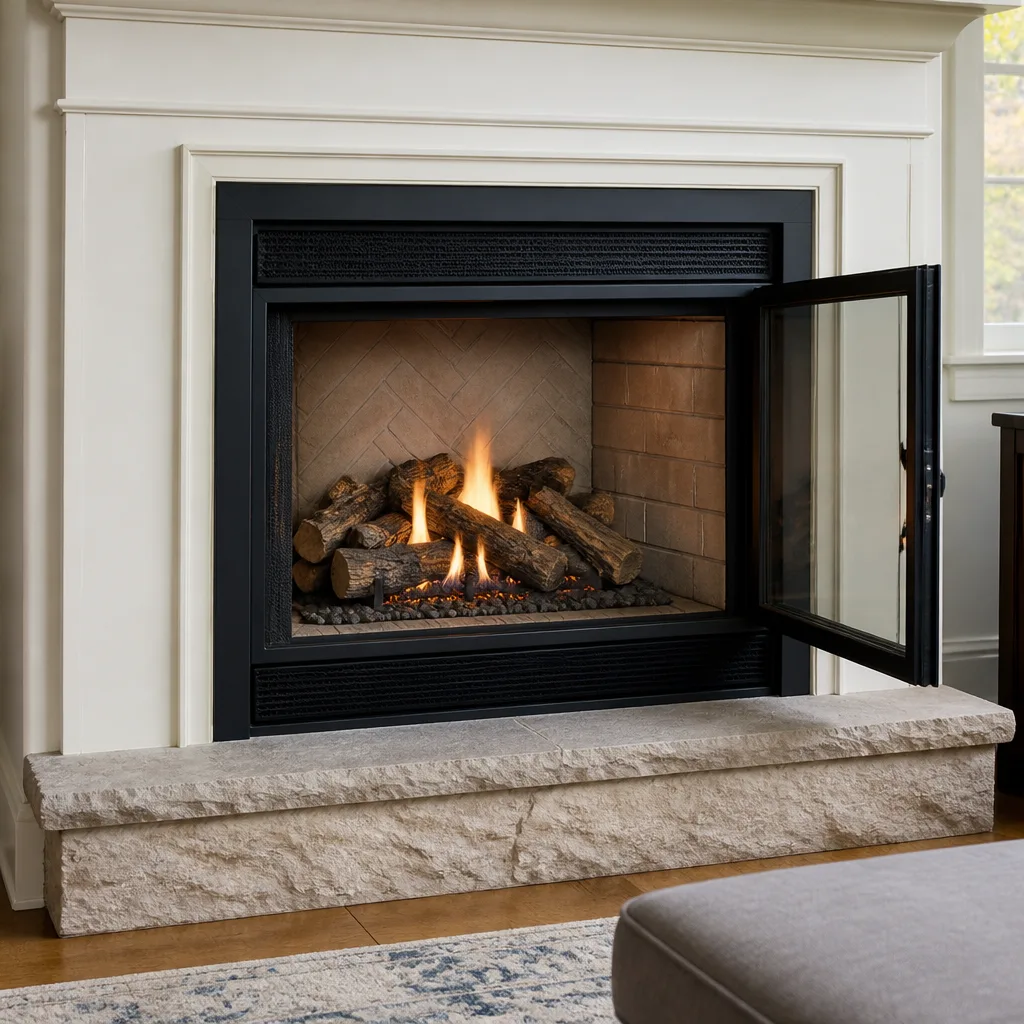 Gas fireplace service
Level 1 sweep and inspection to the NFPA 211 annual standard - flue, crown, cap, and flashing checked and photographed
Chimney sweep logs do not sweep chimneys. They loosen some creosote - which then falls where a brush and vacuum still have to collect it.
Chimney Sweep Maintenance Schedule: What to Do and When
The standard advice says to sweep your chimney once a year. That advice was written for average use, and most Thornton homeowners aren’t average. If you burned three cords of wood last winter, or you ran a gas insert every cold night from November through March, an annual sweep may already be running behind. Creosote doesn’t care about the calendar. It builds at a rate set by what you burn, how often you burn it, and how well your flue moves exhaust out of the house. This guide replaces the one-size-fits-all rule with a maintenance schedule you can actually calibrate to your fireplace, your fuel, and the freeze-thaw weather that works on chimneys along the Front Range. We’ll walk through a personal calendar of pre-season, mid-season, and post-season tasks, separate what you can safely check yourself from what needs a camera and a trained eye, and show how one skipped window quietly compounds into the next. We’re Thornton Chimney Sweep Co, and this is how we think about a chimney year.
Quick Answer
Most wood-burning chimneys in Thornton need a sweep and a Level 1 inspection once a year, or sooner if you burn more than about a cord and a half of wood, notice heavy soot or glaze, or smell smoke in the room. Gas inserts and wood stoves still need an annual inspection even though they produce little visible soot, and any chimney should be checked after a major hail, wind, or freeze-thaw event. The short version: inspect in the fall before heating season, check mid-winter if you’re a heavy burner, and clean up and inspect again in spring once you’ve stopped using the fireplace.
Styles & brands we work with
- Sweep & inspection
- Caps & crowns
- Flue relining
- Masonry repair
- Gas fireplace service
Table of Contents
- Why “Once a Year” Isn’t a Real Schedule
- The Four Windows of a Chimney Year
- Your Schedule by Appliance: Wood, Gas, Stove, and Oil Flue
- What You Can Check Yourself vs. What Needs a Pro
- The Month-by-Month Thornton Heating-Season Checklist
- Freeze-Thaw Weather and the Damage It Does
- How One Skipped Window Compounds Into Bigger Costs
- Common Mistakes to Avoid
- When to Call a Professional
Why “Once a Year” Isn’t a Real Schedule
A sweep schedule is a symptom of a simpler question: how fast is your flue accumulating creosote and losing its ability to draft cleanly? That rate is set by variables, and the annual rule averages all of them into a single number that fits nobody precisely. The variable that matters most is fuel and usage. A homeowner who lights a fire on a few holiday evenings produces a fraction of the creosote of someone who heats a living room with a wood stove from October to April. That difference can turn a “once a year” sweep into a twice-a-year recommendation, or into one that can safely stretch a little longer.
The second variable is appliance type. A wood-burning fireplace leaves visible soot and smoke residue you can track. A gas insert burns clean enough that the flue stays visually clean while a problem builds quietly behind the glass: a failing gasket, a cracked liner, condensation, or a blocked vent. A wood stove runs hotter and can burn cleanly if operated right, but it also concentrates creosote in bends and at the flue cap. An oil furnace flue collects a different kind of deposit entirely. These appliances need different checkpoints, not the same calendar box.
Then there’s location. A chimney in Thornton takes a beating most of the country doesn’t: dramatic day-to-night temperature swings through fall and spring, snow that melts and refreezes on the crown, freeze-thaw cycles that pry at mortar joints and hairline cracks. Our position at the edge of the Front Range also means wind-driven rain and hail that test a cap. A schedule that ignores these conditions is only half a schedule. We build maintenance around all four variables, because a chimney left on the wrong calendar is a chimney being inspected for the wrong things at the wrong time.
The Four Windows of a Chimney Year
Think of the chimney year in four windows rather than one appointment. Each has a different job, and skipping any of them pushes work onto the next.
- Pre-season (late summer to early fall): The most important window. Get a full inspection and a sweep before the first fire. This is when we catch a cracked crown, a loose cap, or a liner problem while the weather is still mild and there’s no emergency pressure. Have it done before the first cold snap, when schedules fill up.
- Mid-season (deep winter, for heavy burners): Not everyone needs a mid-season visit, but a heavy burner should watch for the warning signs: smoke rolling into the room, a weaker draft, or soot at the firebox door. A quick check mid-winter catches a partial flue blockage before it becomes a problem on a cold night.
- Post-season (after your last fire in spring): Once you’ve stopped burning, sweep out the buildup the season left behind. Creosote that sits over summer hardens. A spring sweep and inspection gives the chimney a clean slate and lets you address repairs during good weather instead of an emergency.
- After major weather (hail, high wind, deep freeze): Colorado’s storms and freeze-thaw cycles can loosen a cap, crack a crown, or dislodge a flue tile. Any significant weather event is a reason to look up at the chimney, not just at the roof.
These four windows overlap for good reason. The pre-season inspection is the one that most shapes the year; the mid-season check is a safety net; the post-season sweep protects the flue over the off months; and weather checks catch what a calendar can’t predict. If you only do one thing, make it the fall inspection. If you burn seriously, the spring sweep is the second most valuable hour you’ll spend on the chimney.
Your Schedule by Appliance: Wood, Gas, Stove, and Oil Flue
A maintenance calendar only works if it’s built for the appliance attached to it. Here’s how the schedule shifts across the four types we see most in Thornton.
Wood-burning fireplace
This is the standard case the annual rule was written for, and it still needs calibration. A light use pattern (two or three fires a week through the coldest months) fits a yearly fall sweep and inspection well. A heavy pattern (burning most nights, more than a cord and a half a season) can justify a mid-winter check and a spring sweep in addition to the fall inspection. Watch for glazed, tar-like buildup at the top of the firebox, which signals a hotter-burning or poorly drafting fire making creosote faster than you’d expect.
Gas insert
Gas inserts look low-maintenance, and that’s the trap. They produce almost no visible soot, so a clean-looking flue tells you nothing. Gas inserts still need an annual inspection to check the liner, the vent connection, and for signs of condensation or corrosion, which are more likely in a gas flue than creosote. A gas flue can also be a carbon monoxide pathway if venting fails, so annual is not optional here. These appliances shift the schedule toward inspection and away from sweeping, but the fall visit stays.
Wood stove
Wood stoves run hot enough to burn cleaner than a fireplace but concentrate creosote in tight spots: the stovepipe bends, the thimble, and the cap. A stove used as a primary heat source needs the fall inspection, a mid-winter check if you’re burning daily, and a spring sweep. Because a stove runs continuously when it’s cold, it’s also the appliance most sensitive to a partial blockage, and the one where draft problems show up fast.
Oil furnace flue
An oil flue collects a different deposit than wood creosote and needs its own inspection rhythm, typically an annual look at the flue and the connections by a technician who knows oil appliances. The deposits can be corrosive, and a flue that looks clear can still have a liner problem underneath. This isn’t a job for a homeowner visual check.
What You Can Check Yourself vs. What Needs a Pro
There’s a real line between a quick homeowner look and a professional inspection, and knowing it keeps you safe. The safest rule: anything at ground level or below head height, with the fire cold and the damper open, is fair game for a careful look. Anything above the roofline, anything involving the flue interior, and anything involving gas or electrical components belongs to a trained technician. You can be a good custodian of your chimney without climbing on the roof.
What you can safely check yourself
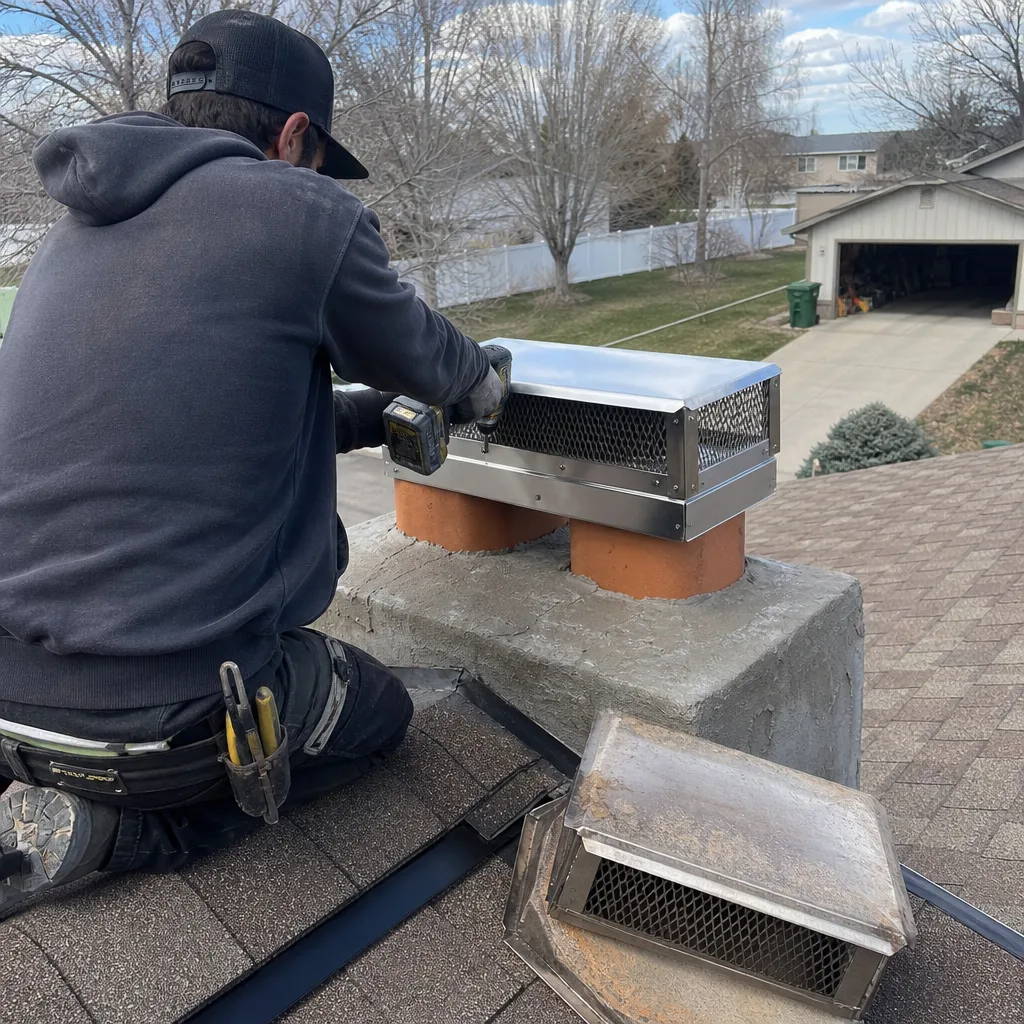
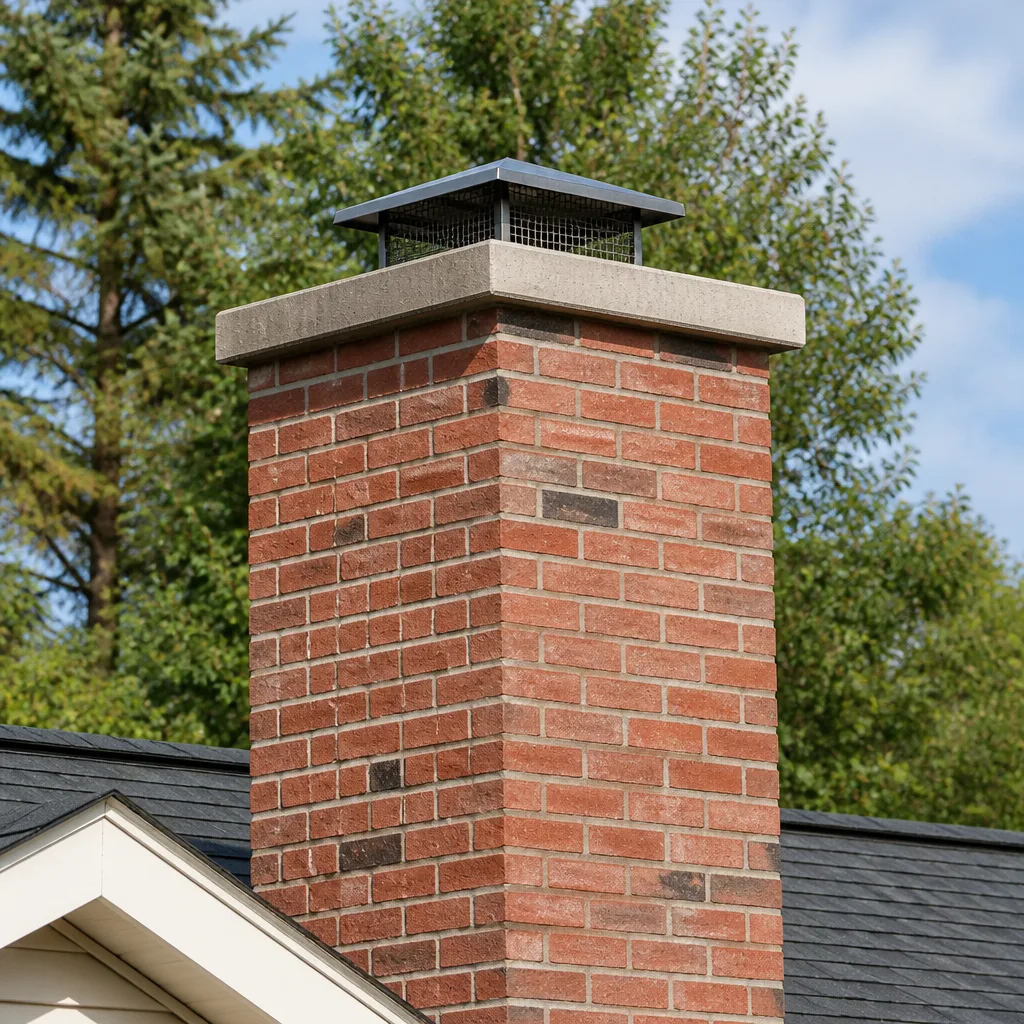
- The cap: From the ground, look at the top of the chimney. The cap should be present, fastened, and free of obvious cracks or hail dents. A missing or loose cap is the single most common way water gets into a chimney.
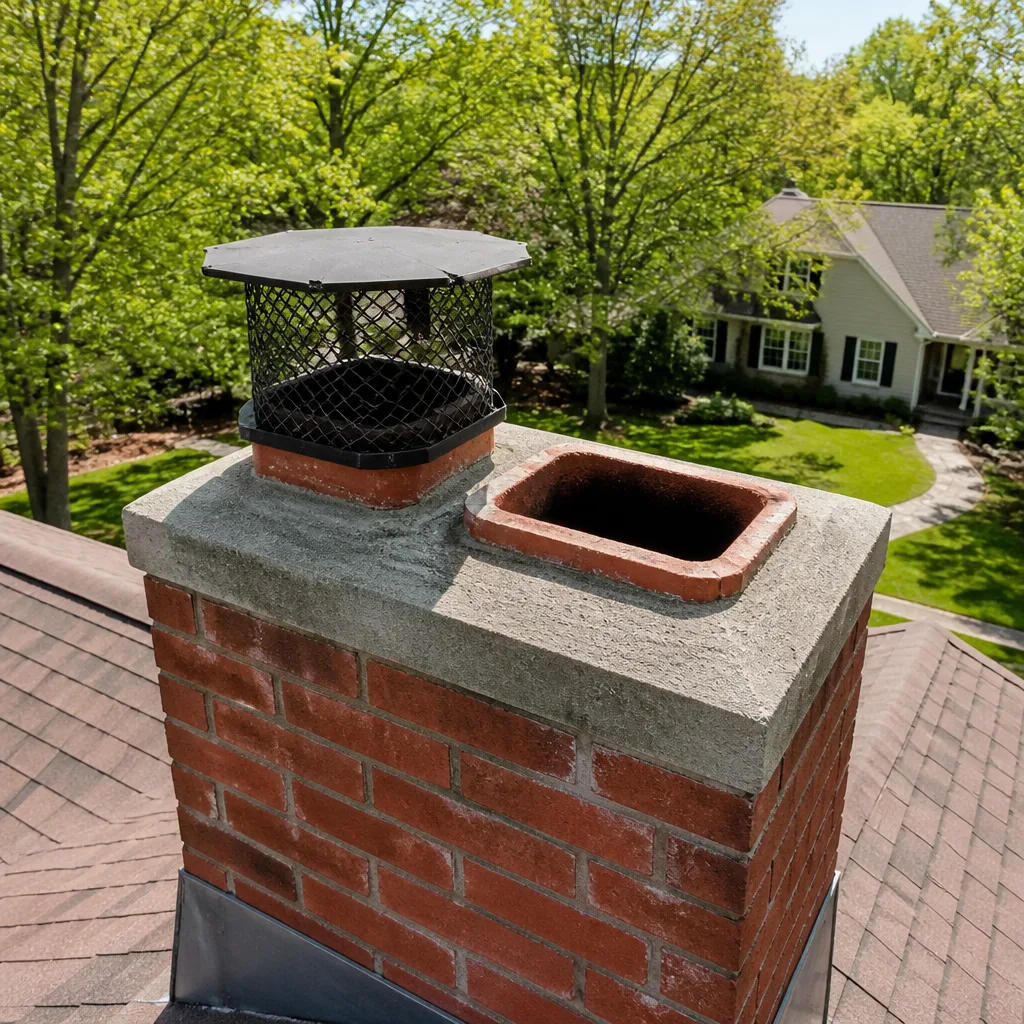
- The visible crown: From a safe distance, check whether the concrete crown at the top of the chimney has visible cracks or a gap where it meets the flue tile. A cracked crown lets water in at the worst spot.
- Damper function: With the fire out and cold, open and close the damper. It should move smoothly and sit flush. A damper that sticks, drops, or won’t close means it’s time for a professional look.
- The firebox and firebox door: Look for cracked firebrick, loose mortar joints, or gaps in the firebox panels. Any of these is a repair item, not a sweep.
- Smoke behavior: Note whether smoke rolls back into the room when you first light a fire. That’s a symptom worth documenting and reporting.
What needs a camera and a trained eye
- The flue interior: Creosote hardness, liner cracks, flue tile gaps, and offset flues are only visible with a camera run down the flue. A sweep gets the chute clean; a camera inspection tells you the condition underneath.
- The full crown and masonry from the roof: A day-to-day look from the ground won’t show you a hairline crack across a crown or a loose mortar joint above the roofline. A professional inspection gets on the roof or uses a camera, safely.
- Gas and oil appliance components: Vent connections, gaskets, and combustion components require proper training. Never open or inspect them yourself.
When we inspect, we show you what the camera sees. If a liner issue surfaces, we can explain what’s happening rather than just naming a repair. That’s where Thornton Chimney Sweep Co differs from a sweep-only service: we handle the firebox, the flue, the masonry, and the cap-and-crown under one roof, so the inspection and any fix that follows don’t get handed off to a second contractor.
The Month-by-Month Thornton Heating-Season Checklist
Here’s a printable-style schedule built around how a Thornton fireplace actually gets used. Adjust by a few weeks if your season runs early or late.
August to early September: Book the fall sweep and inspection now, before the first cold snap fills the schedule. Do your ground-level cap and crown look while the weather is still good.
September to October: The pre-season inspection. This is the full visit: sweep the flue, run the camera, check the crown and cap, and confirm the damper and firebox are ready. Have any repair scheduled now, while work can happen in mild weather without emergency pricing or urgency.
November: First fires. Watch how the fire lights and drafts. Note any smoke rollback, unusual smell, or hesitation.
December through February: Mid-season, for heavy burners. Check the firebox for fresh cracking, keep an eye on draft, and call if anything changes. This is also the time to clear snow and ice off the cap without damaging it.
March to April: Last fires of the season. Once you stop burning, schedule the post-season sweep and inspection. Cleaning out the season’s buildup before summer keeps it from hardening.
May through July: Repair season. This is when a cracked crown gets resealed, a cap gets replaced, or a flue gets resurfaced, all before fall. If your inspection flagged anything, this window lets it get handled in good weather.
Following this rhythm keeps the chimney on exactly the schedule it needs and puts repairs in the season where they cost you the least stress.
Freeze-Thaw Weather and the Damage It Does
Thornton’s weather does something predictable to chimneys: water gets in, then the temperature drops and it freezes, expands, and pries at the masonry. Repeat through a Front Range winter, and small problems become real ones. The most exposed part of the chimney is the crown at the top, the flat concrete cap where the flue tile sits. A hairline crack in a crown lets water in; a freeze pops it wider; the next thaw lets more in. That’s why the cap and the crown are the two things we check first, and why a proper cap-and-crown install matters more here than in a mild climate.
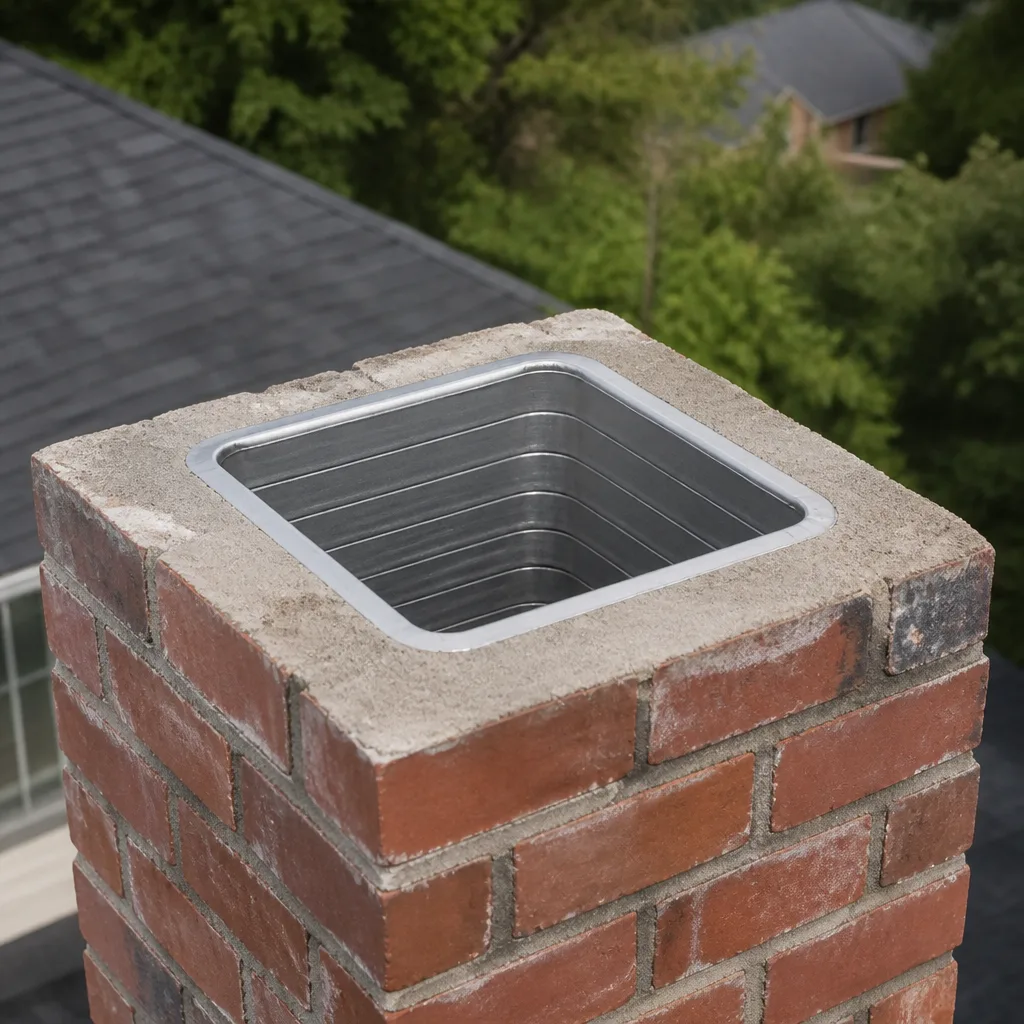
The flue tile itself is vulnerable too. Moisture intrudes through gaps and the freeze-thaw expands it, and over several seasons the tile can spall or crack. Left alone, a deteriorated flue tile is a path for creosote and, worse, a pathway for heat and gas where it shouldn’t go. Where the tile is intact enough to resurface, we use HeatShield to restore the flue lining without a full liner replacement. Where the tile is too far gone, we install a DuraFlex liner built for the job. Either way, treating the flue properly in the dry months is what keeps the winter from reopening the damage.
We also pay attention to the cap material. Hail dents a thin metal cap and can eventually puncture it. Between the freeze-thaw on the crown and the hail on the cap, this region is hard on the top of a chimney, which is why our post-season and after-weather checks focus there first. A chimney that stays dry through a Colorado winter will outlast one that gets wet and freezes every year, by a wide margin.
How One Skipped Window Compounds Into Bigger Costs
A skipped chimney year doesn’t usually announce itself. It just passes the work to the next season and adds a problem.
- Skipped fall sweep: Late-season creosote remains in the flue through the spring and summer, where it dries and hardens into a glazed, tar-like buildup that a standard brush won’t remove. That heavier deposit may then need chemical treatment, a bigger job than a routine sweep.
- Skipped spring sweep: The same thing happens on a delayed schedule. The buildup from the season sits all summer, the flue can’t dry cleanly, and the fall visit starts behind.
- Skipped inspection: A cracked crown or a loose cap stays unaddressed for a full season of rain and freeze-thaw. A minor repair in August becomes masonry work in October.
- Skipped repair window: A flue tile issue that could have been resurfaced with HeatShield escalates toward liner replacement. The repair is bigger and costlier because it was put off, not because the chimney was worse.
The pattern is the same every time: each skipped window nudges the next problem one step up the repair ladder. The fix is to protect the calendar, not just the flue. A spring sweep protects the fall, and a spring repair protects the next decade. We’ve seen how differently two chimneys with the same fireplace end up, simply because one stayed on schedule and one didn’t.
Common Mistakes to Avoid
- Sweeping on a calendar instead of a condition. A yearly sweep isn’t the same as an inspection of your actual chimney. A heavy burner who sweeps once a year on the calendar may still be overdue. Build the schedule around usage and appliance type, not the calendar alone.
- Assuming a gas insert needs less attention. Gas inserts look clean and get ignored. A gas flue needs an annual inspection just as much, and the carbon monoxide risk in a failed vent is real. Don’t skip the gas side because there’s no visible soot.
- Waiting for the first cold snap. Calling for an inspection the week you want to light the first fire means competing with everyone else in Thornton. Book in late summer so your pre-season visit happens while the weather is mild and the schedule is open.
- Letting the cap go unattended. A missing or hail-dented cap is the most common way water enters a chimney. Check the cap after storms and have it fixed before the next freeze.
- Burning wet or unseasoned wood. Wet wood produces more creosote and burns cooler, which is the opposite of what a clean flue wants. Season your wood and store it dry.
- Using the sweep as the whole service. A sweep gets the flue clean, but it doesn’t tell you the condition of a flue tile, a crown, or a cap. Pair the sweep with an inspection every time.
- Putting off the spring repair. A repair flagged in the spring that gets delayed to fall will often happen in worse weather, with more urgency, and often at a higher cost. Handle it while the weather’s on your side.
When to Call a Professional
Some of these are routine, and some are urgent. Call a professional for:
- A fall sweep and inspection before the heating season starts.
- A post-season sweep and inspection after your last fire in spring.
- Any smoke rolling into the room, a noticeably weaker draft, or a strong smell that won’t clear.
- Visible damage to the cap or crown, especially after hail or high wind.
- Cracked firebrick, loose mortar, or a firebox door that doesn’t seal.
- Any gas insert or oil flue you haven’t inspected in a year.
- Any chimney you’ve never had inspected since moving into a Thornton home.
If you’re not sure whether a symptom is urgent, call and describe it. Thornton Chimney Sweep Co offers free estimates in Thornton. Our technicians have up to 9 years of experience, and we’ll tell you what the camera sees before recommending any repair. Call (844) 443-4565. We answer 24/7. Fast dispatch from 7am to 7pm, Sunday through Friday.
See the difference
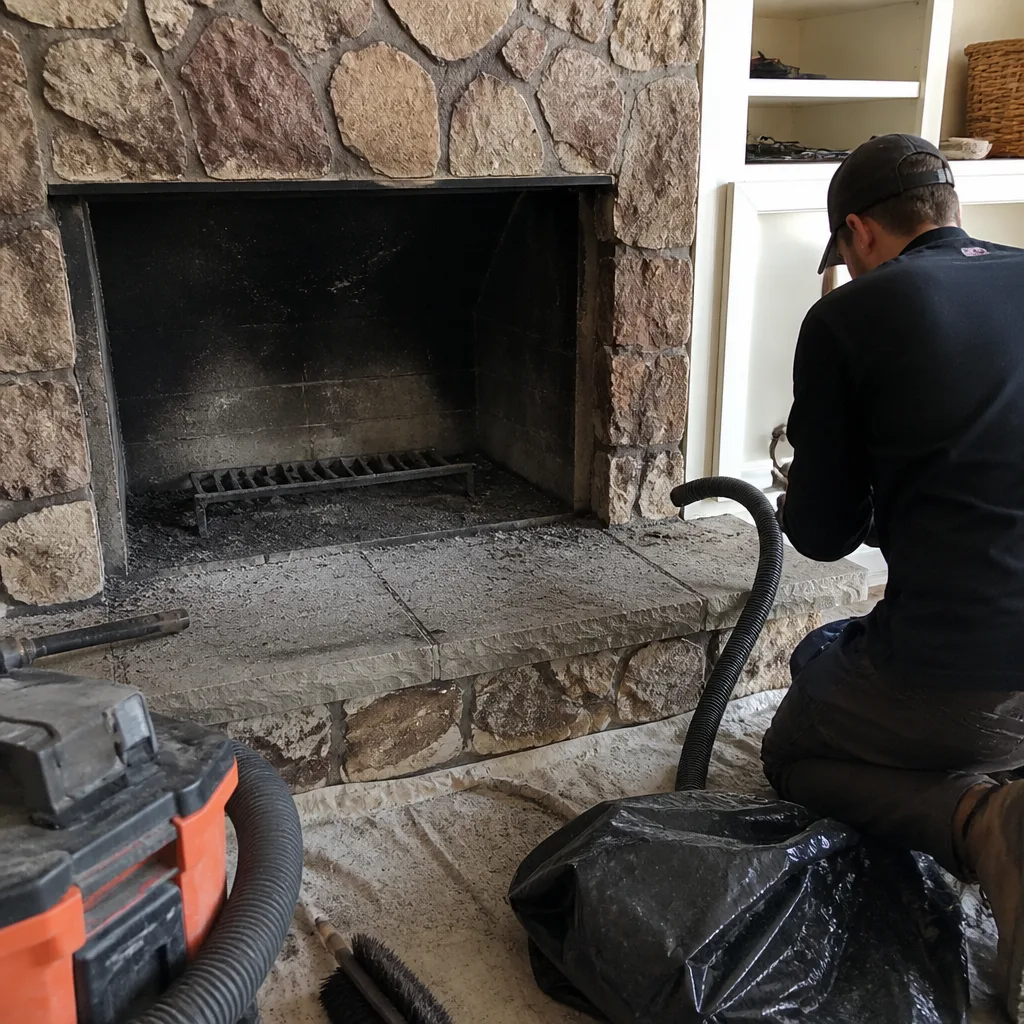 Before
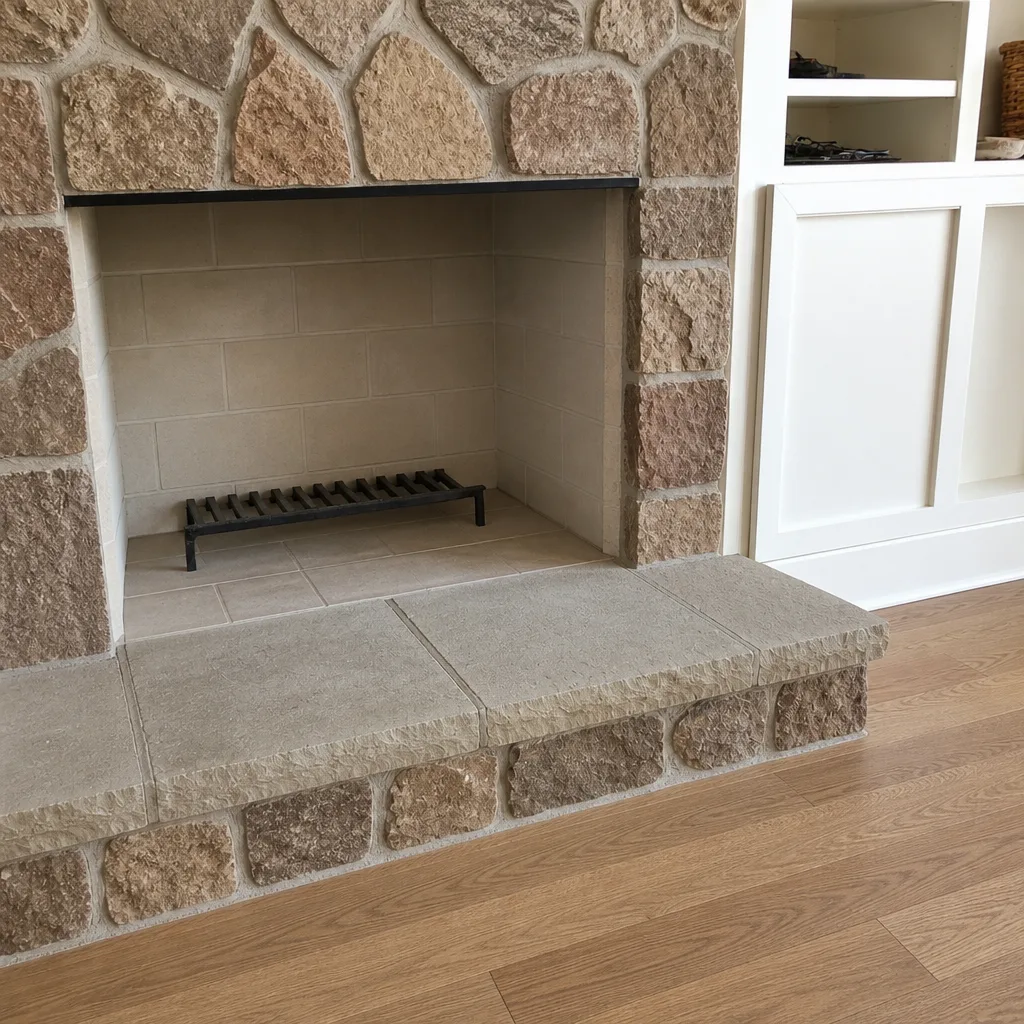 After
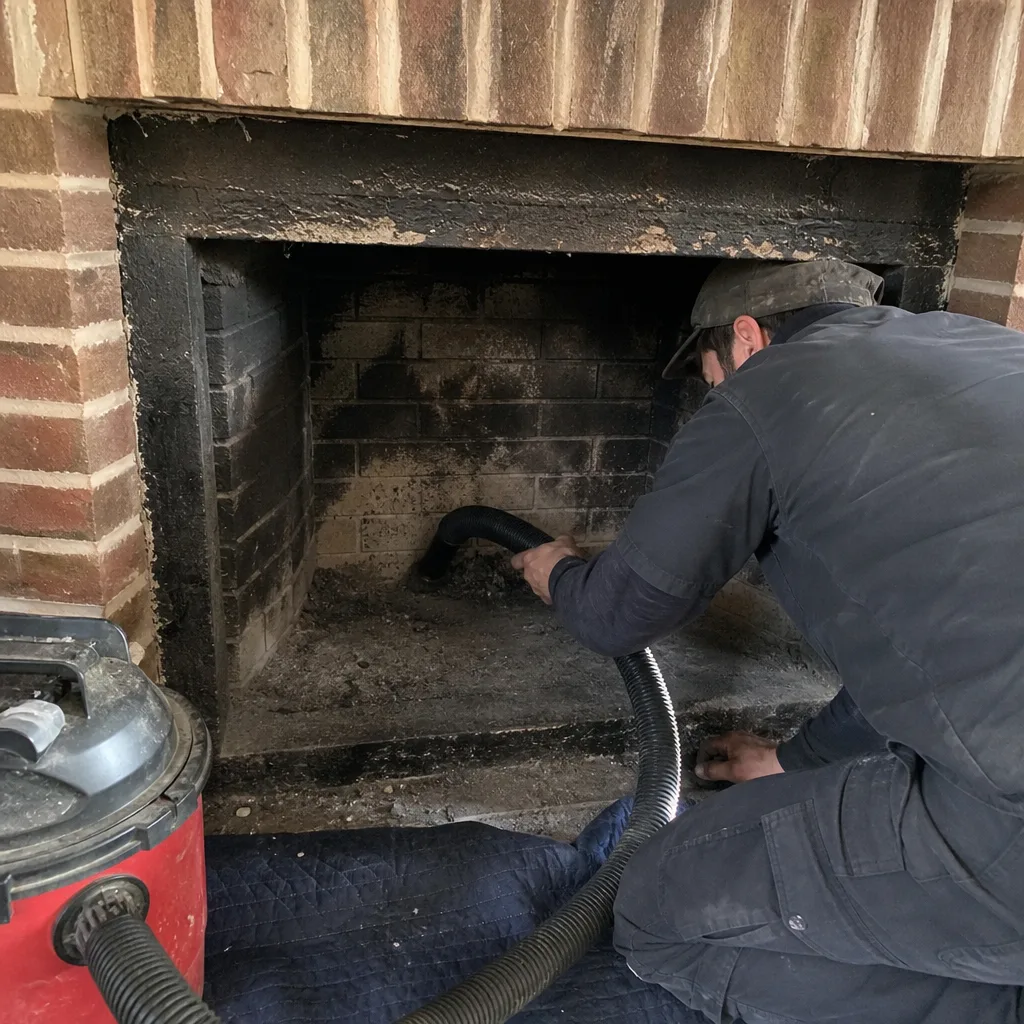 Before
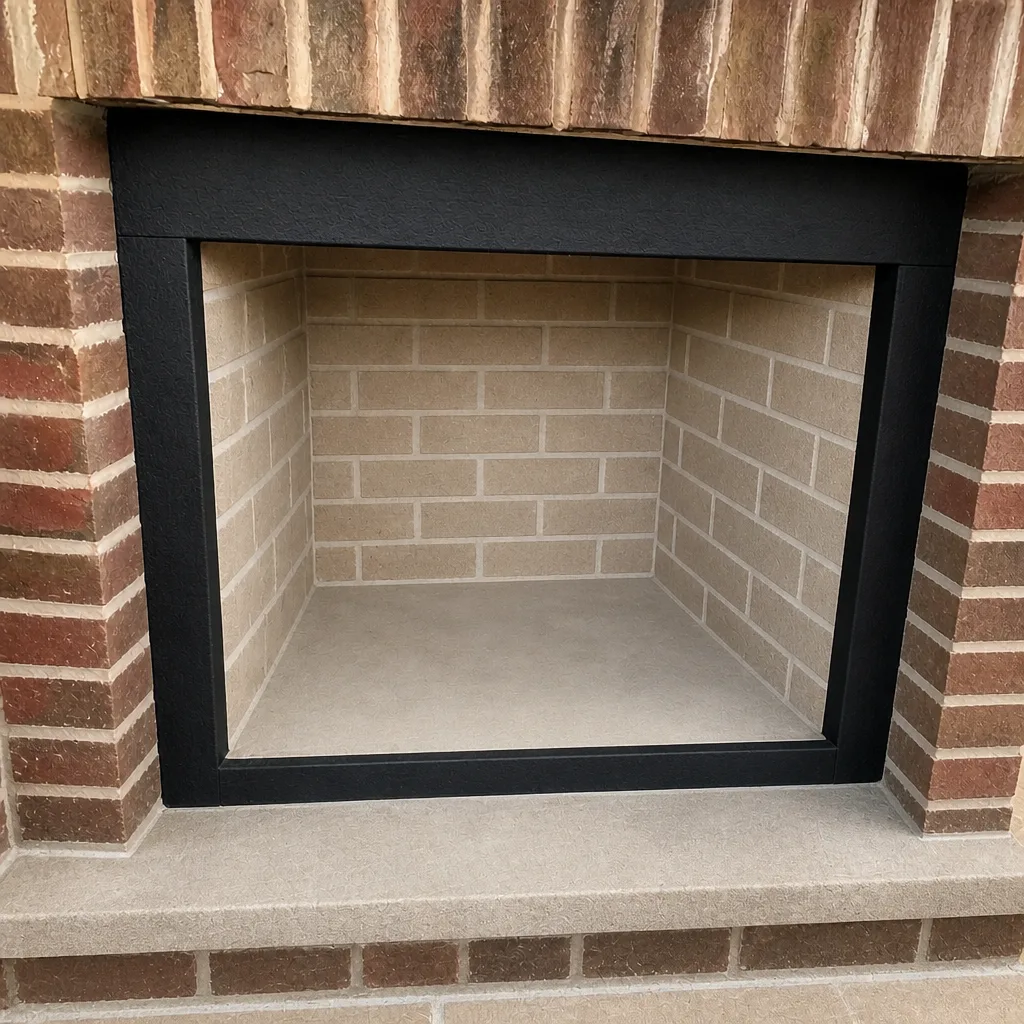 After
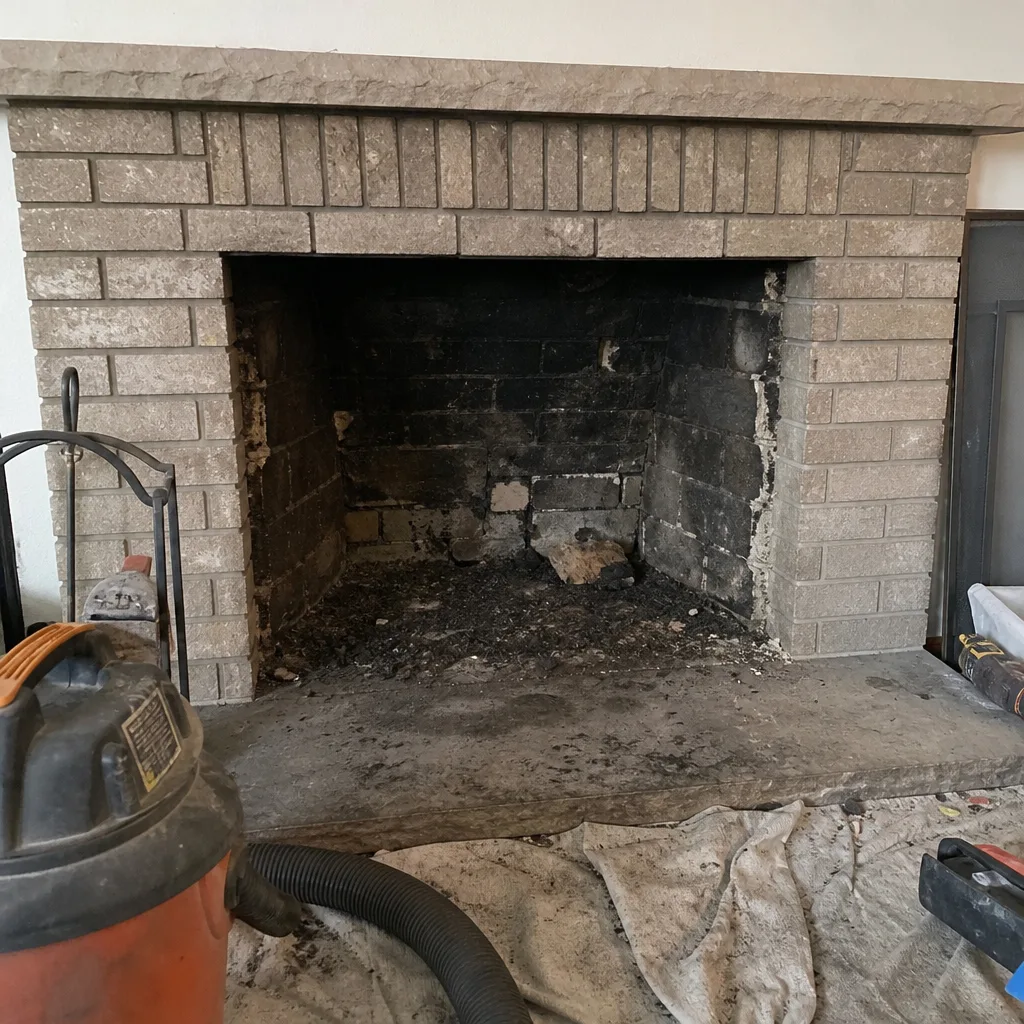 Before
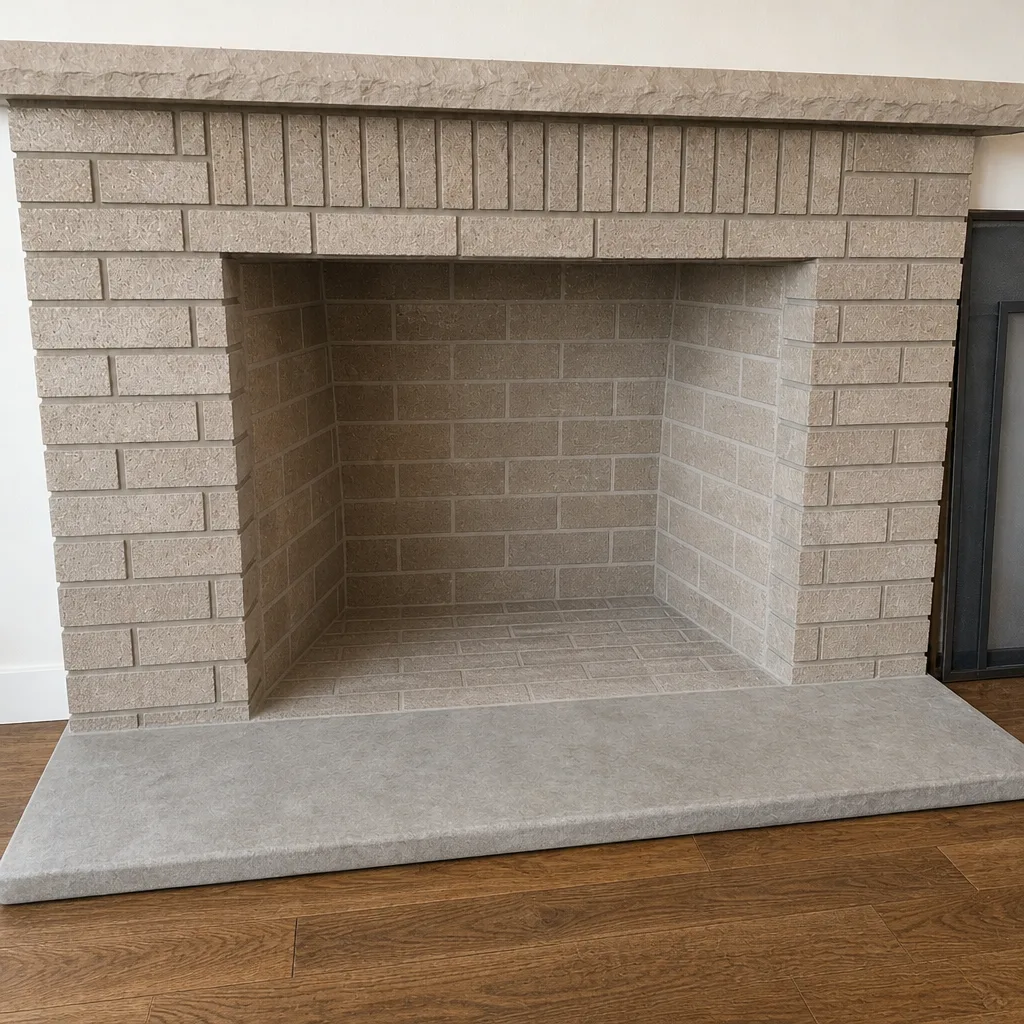 After
Frequently Asked Questions
Once a year for most wood-burning chimneys, with a mid-season check if you burn heavily (more than about a cord and a half a season) and a spring sweep in addition to the fall inspection. Gas inserts and wood stoves still need an annual inspection, and an oil flue needs its own annual look. Call (844) 443-4565 for an exact schedule based on your fireplace and usage – estimates are free.
Yes, because even light use leaves buildup and because the inspection also checks the crown, cap, and flue tile for weather damage that has nothing to do with how often you burn. A chimney that sits unused still gets wet and freezes. Call to schedule a pre-season inspection before the weather turns.
You can handle the ground-level checks (cap, visible crown, damper), but a thorough sweep and a camera inspection of the flue interior aren’t things to do yourself, and you never want to be on the roof or working up a flue without training. The deposit hazard and the fall risk are real. Call (844) 443-4565 for a free estimate.
Pricing depends on the job, and the written estimate sets the final price. The estimate itself is free, and we show you what the camera finds before recommending anything. Call (844) 443-4565 for an exact quote.
The buildup from the skipped season hardens over the summer, the small repair that would have been caught gets bigger, and the next season starts behind. Occasionally the creosote becomes hard enough to need chemical treatment on top of a normal sweep. Call to get back on schedule before the next heating season.
Yes. A gas insert produces little visible soot, so a clean-looking flue tells you little about its condition, and a failing vent is a carbon monoxide hazard. Annual inspection is how you catch it. Call (844) 443-4565 for a free estimate on a gas flue inspection.
The Bottom Line
The annual sweep is a floor, not a full maintenance schedule. The right calendar depends on your fuel, your usage, your appliance type, and the freeze-thaw weather that works on a Thornton chimney every season. Do the pre-season inspection in early fall, check mid-season if you burn heavily, sweep and inspect post-season in spring, and look at the cap and crown after major storms. Every window you keep open protects the next one, and the repair you schedule in the spring is the emergency you avoid in the winter. If you take away one thing, make it the fall inspection. The rest of the schedule follows from there.
Contact Thornton Chimney Sweep Co to get your chimney on a real calendar rather than a rule of thumb. Call (844) 443-4565 for a free estimate and we’ll inspect before we recommend. We answer 24/7. Fast dispatch from 7am to 7pm, Sunday through Friday. If you’ve already flagged a fireplace repair or a chimney repair, book it now, while the weather is still on your side. Or schedule a chimney sweep to get back on track before the first cold snap. One call covers cleaning, inspection, and any repair that follows.
Written by the team at Thornton Chimney Sweep Co.