
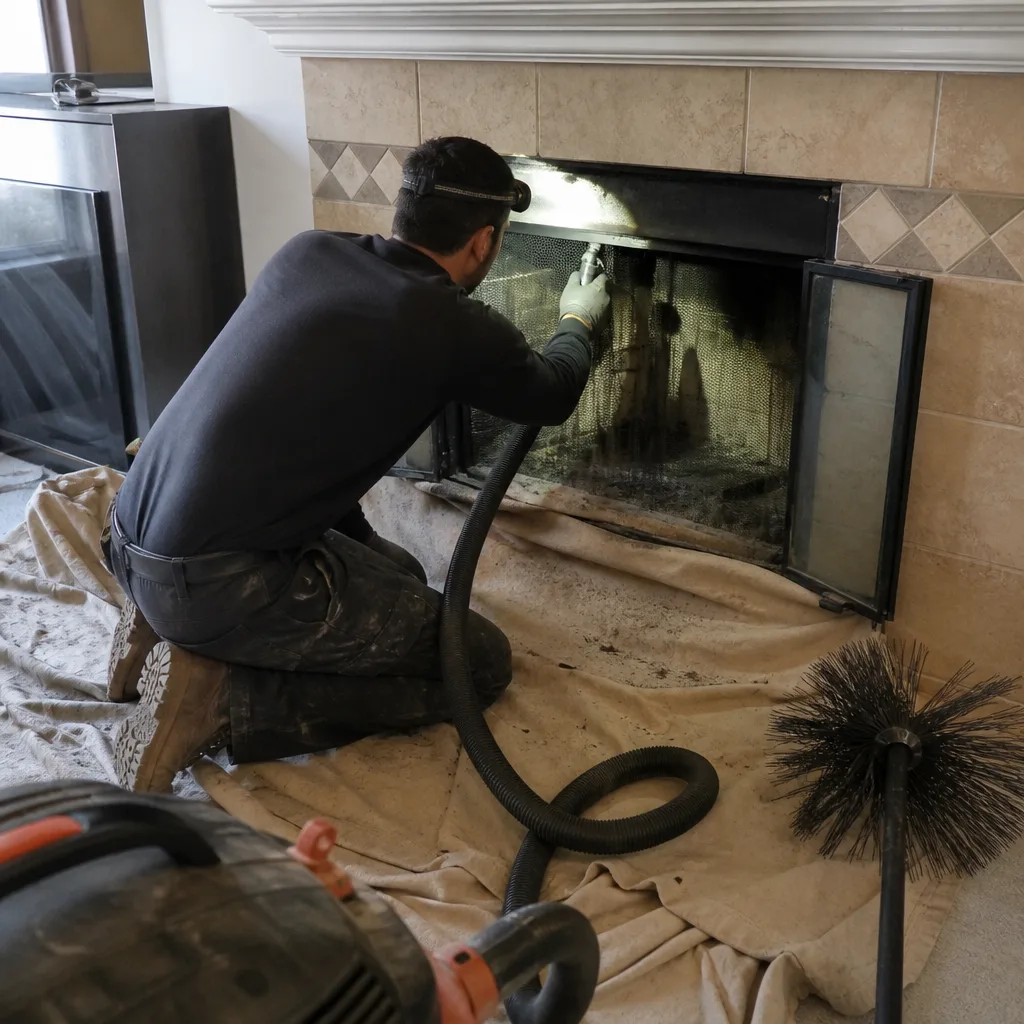
Last updated November 23, 2026
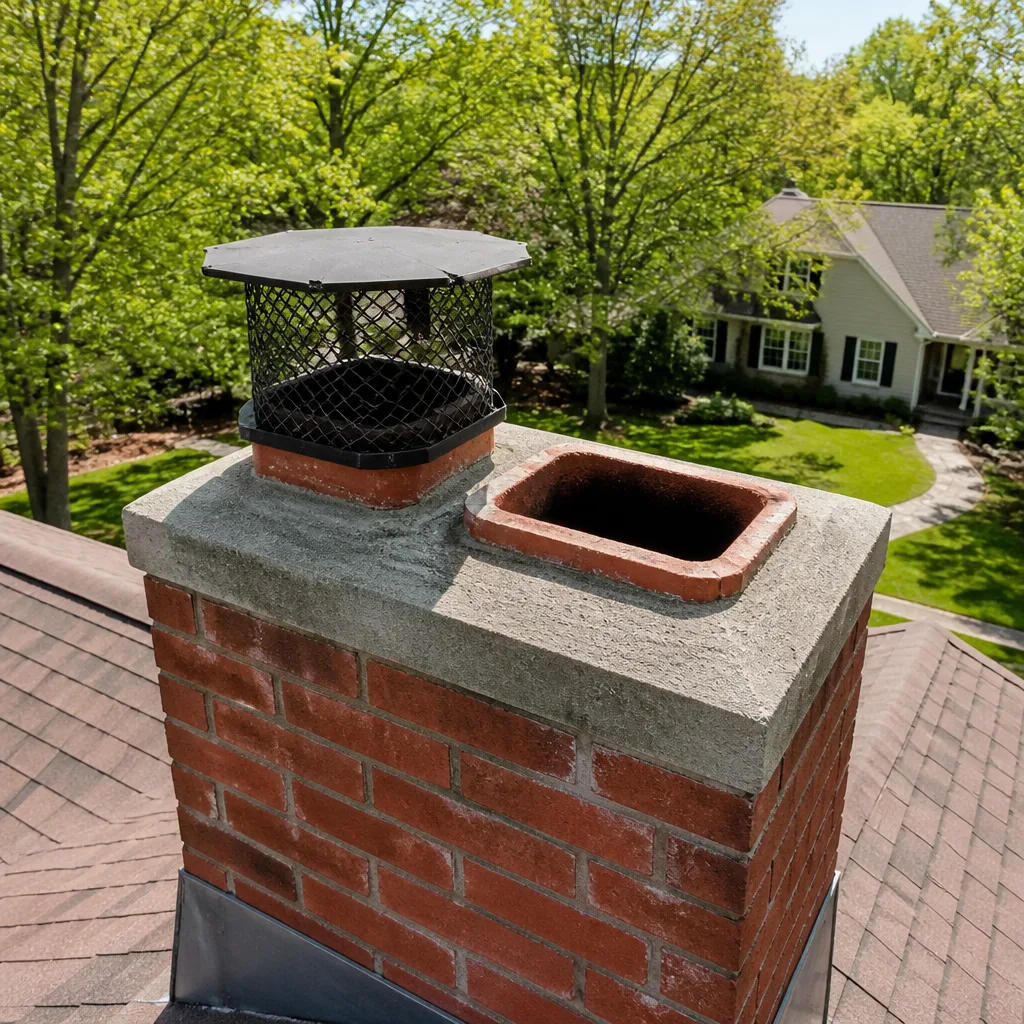 Sweep & inspection
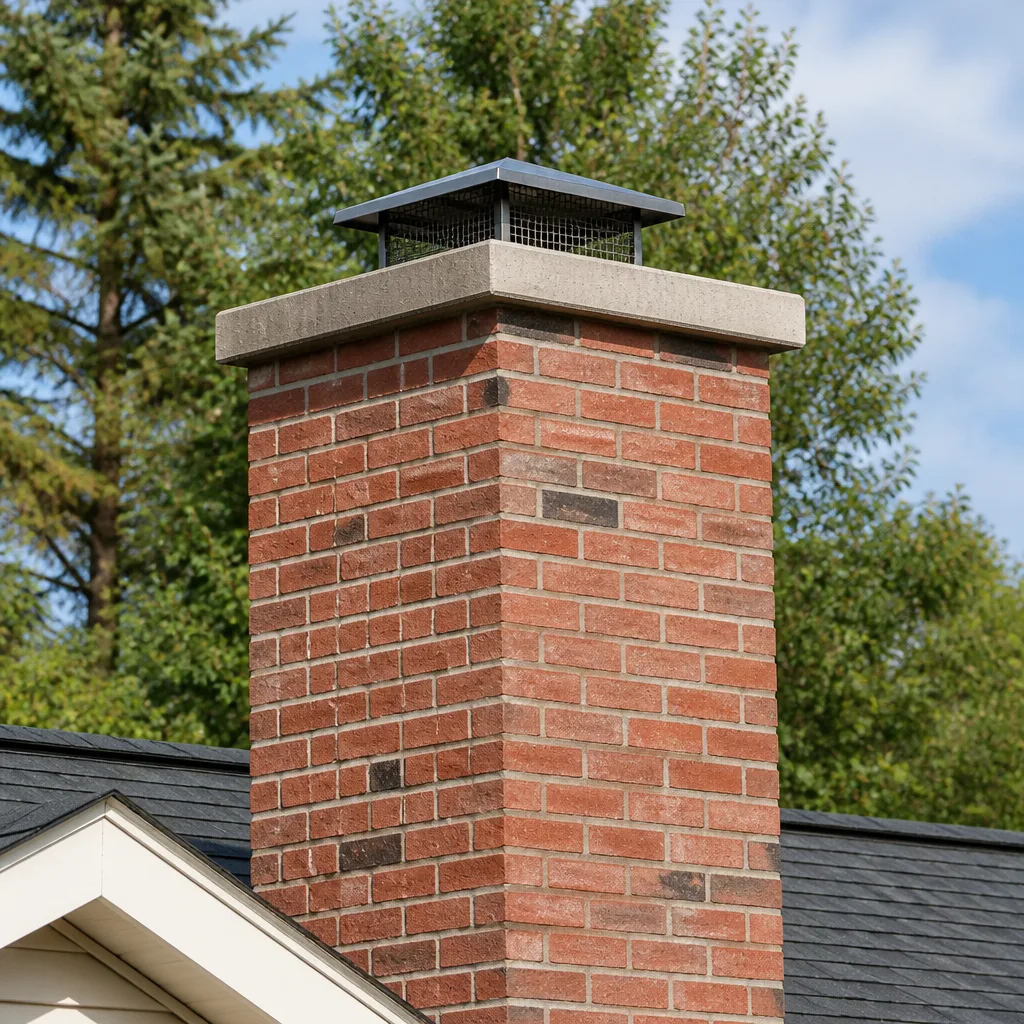 Caps & crowns
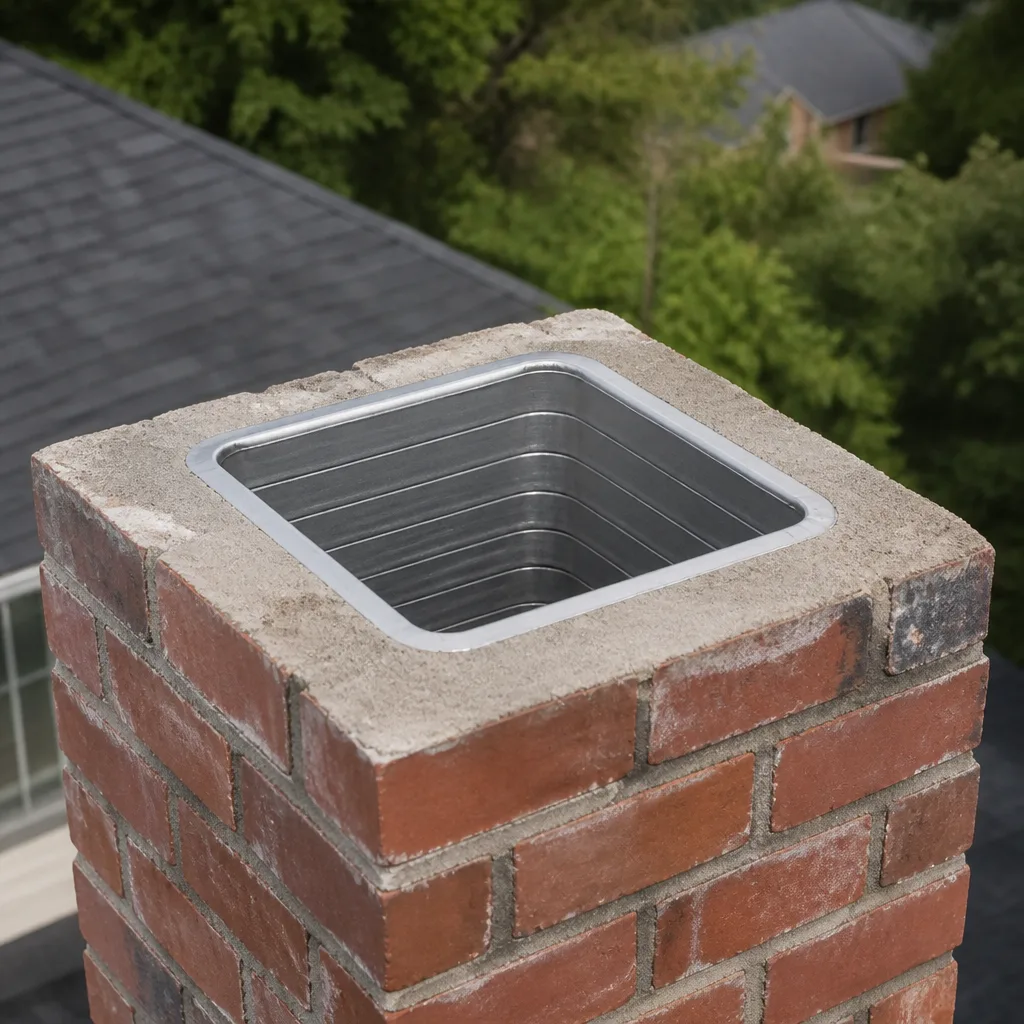 Flue relining
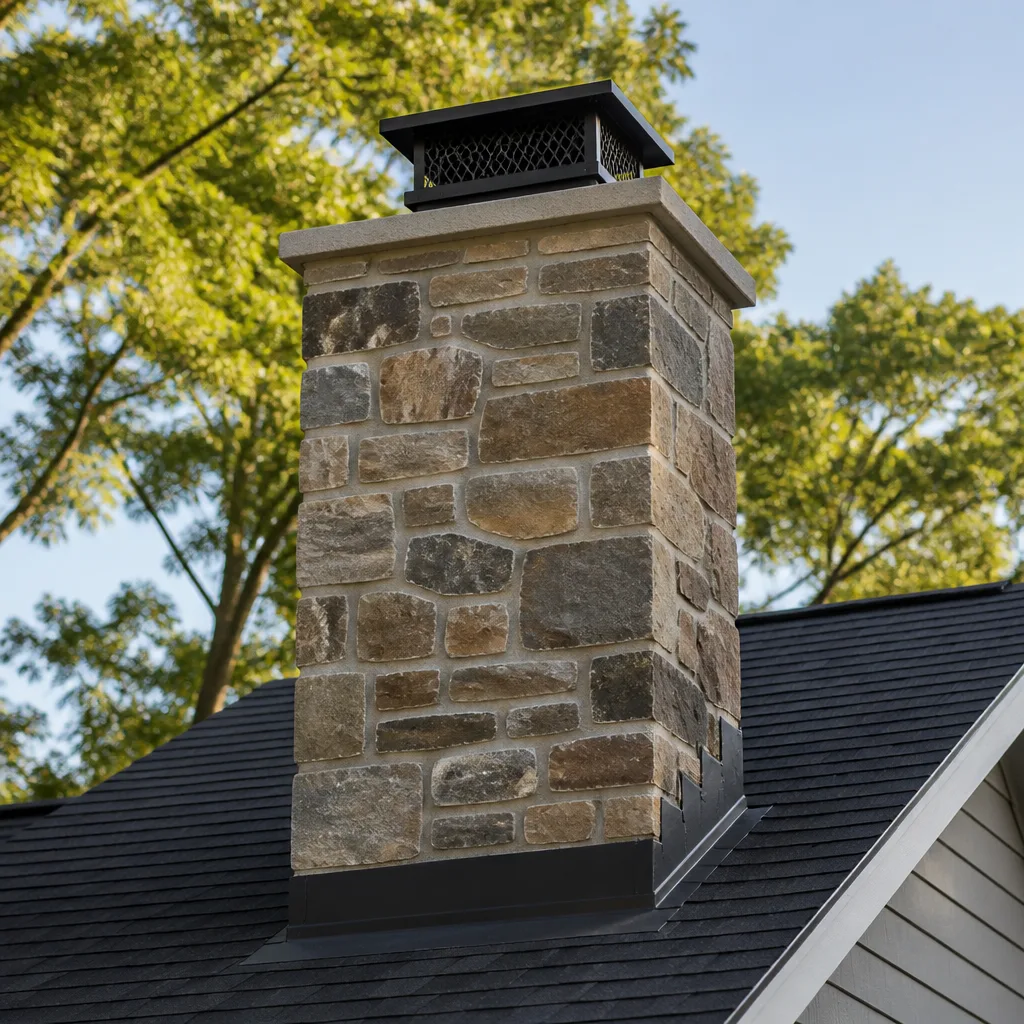 Masonry repair
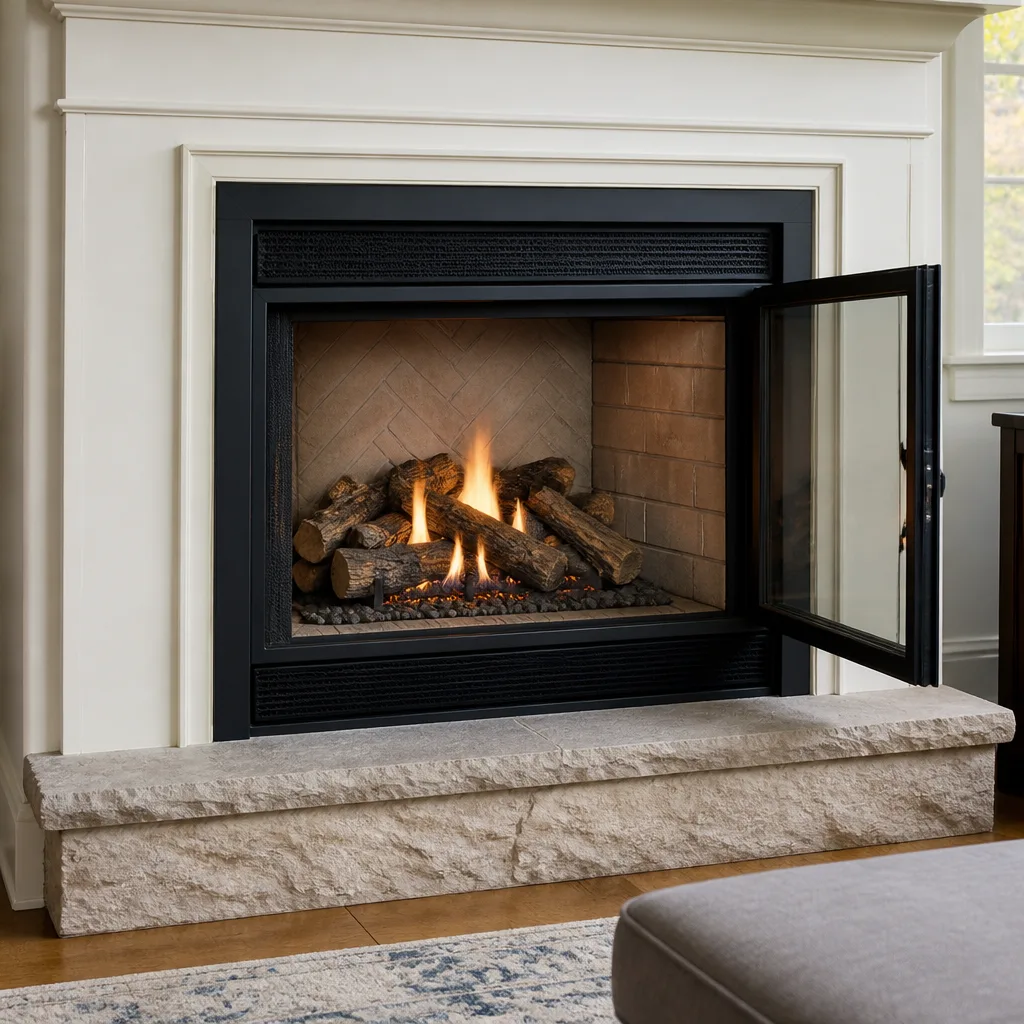 Gas fireplace service
Level 1 sweep and inspection to the NFPA 211 annual standard - flue, crown, cap, and flashing checked and photographed
Chimney sweep logs do not sweep chimneys. They loosen some creosote - which then falls where a brush and vacuum still have to collect it.
Chimney Cleaning Warning Signs: A Thornton Homeowner’s Reference Guide
A white stain running down the outside of your chimney looks like a cosmetic issue. It’s actually your masonry telling you that water has been moving through the structure long enough to leach mineral salts to the surface. That’s the kind of warning sign this guide is about. Most Thornton homeowners would pick up the phone the moment they saw flames or smoke where flames shouldn’t be. The signals that actually predict trouble usually show up weeks or months earlier, and they’re quiet. We’re going to walk through what to look for on the outside of your chimney, what to notice inside the firebox and flue, how to read smells and draft, and how to tell the difference between a sign that can wait until spring and one that means stop using the fireplace today.
Quick Answer
The warning signs that matter most in Thornton are efflorescence (white mineral staining) on exterior masonry, spalling brick, cracked or crumbling mortar joints, a cracked crown, smoky odors that linger after the fire is out, smoke rolling back into the room, and fires that are slow to start or struggle to draw. Any of these means it’s time to book a sweep and inspection before the next fire. Signs that include smoke rollout into living space, visible damage inside the flue, or the smell of gas should stop you from using the fireplace until a technician has looked at it.
Styles & brands we work with
- Sweep & inspection
- Caps & crowns
- Flue relining
- Masonry repair
- Gas fireplace service
Table of Contents
- Why the Subtle Signs Matter More Than the Dramatic Ones
- Exterior Signs: What Your Masonry Is Telling You in Thornton’s Freeze-Thaw Climate
- Interior Signs Most Homeowners Misread
- What Proper Draft Feels Like, and What a Blocked Flue Doesn’t
- Reading the Smells: Normal Fireplace Odor vs. the Ones That Signal Trouble
- Ash, Creosote, and What Build-Up Actually Means
- Signs You Can Finish the Season On vs. Signs That Mean Stop Firing
- Building a Sweep-and-Inspection Schedule Around Thornton Weather
Why the Subtle Signs Matter More Than the Dramatic Ones
A chimney fire, a collapsed flue tile, a carbon monoxide event that sends someone to the hospital – these are the outcomes nobody argues about. By the time a homeowner sees flames shot out of the top of the chimney or notices a piece of flue tile on the roof, the system has usually been degrading for a long time. The subtle signs are the early ones, and they’re the ones most people skip past because they don’t look urgent.
In our experience across Thornton, the calls that turn into major repairs almost always start with a homeowner saying some version of the same thing: “I noticed it a while ago but didn’t think much of it.” A hairline crack in the crown. A faint smoky smell in the living room in July. Smoke that curled out of the firebox for a second when the fire was lit. None of those are dramatic. All of them are the system asking for attention.
The other reason to focus on subtle signs is that they let you plan. A chimney that shows early efflorescence and a cracking crown can usually be repaired on your schedule. A chimney that’s had water in it for three winters is a different project. The earlier you see the warning signs, the more choices you have about when and how the work happens. That’s the whole point of paying attention now rather than after the flue has failed.
And a sweep isn’t just about removing soot. A quality chimney sweep also puts eyes and a camera on parts of the system you can’t see from the hearth. That’s where most of the real information comes from.
Exterior Signs: What Your Masonry Is Telling You in Thornton’s Freeze-Thaw Climate
Thornton sits along the Front Range, and the climate here does something to masonry that a lot of chimney guides written for milder parts of the country don’t account for. The problem is the swing. Winters here regularly push above freezing during the day and drop well below at night, sometimes for weeks at a time. Each one of those cycles pulls moisture into the brick and mortar and then freezes it, and water expands when it freezes. Do that enough times and the surface of the masonry starts to give.
That’s why exterior signs matter so much in Thornton specifically. Here’s what to look for:
- Efflorescence. That white, chalky or salty-looking staining on the brick is mineral salt pushed to the surface by water moving through the masonry. A light dusting that brushes off easily is often minor. Staining that keeps coming back after a dry stretch, or that’s paired with any softness in the brick, is water actively moving through the wall.
- Spalling. When the face of a brick peels, flakes, or chips away, that’s spalling. It’s the freeze-thaw cycle winning. Spalled brick can’t be “cleaned up” – the material is gone. Left alone, the brick keeps shedding and the chimney loses structural mass.
- Mortar joint failure. Look at the joints between the bricks. Recessed, crumbly, or missing mortar means water is getting into the joints themselves. In Thornton’s climate that water freezes and pries the joints wider every winter.
- Crown cracks. The crown is the concrete cap at the very top of the chimney. Hairline cracks are common and worth watching. Wider cracks, cracks that run to the edge, or a crown that’s pulling away from the flue are letting water straight into the top of the chimney.
- Rust stains or streaks. Whether it’s from a metal chase cover, a rain cap, or flashing, rust staining means water is sitting somewhere it shouldn’t. The source is almost always fixable before the underlying damage spreads.
A chimney cap and a sound crown are the two cheapest forms of chimney insurance there are. When we install chimney repair solutions like a properly fitted crown or a sealed cap, we’re addressing the source of most of the water damage we see in Thornton, not just the symptom on the surface.
What Water Damage Actually Looks Like Over Time
Water damage in a chimney is progressive. Year one is usually staining. Year two is spalling and joint failure. Year three and beyond is when the liner starts getting involved, because water that gets behind the flue tiles freezes there too. By the time a homeowner notices damage inside the flue, the exterior has usually been signaling for a while. If you’re seeing efflorescence or spalling, get a chimney inspection scheduled before the next winter freeze.
Interior Signs Most Homeowners Misread
The exterior signs are visible if you know what you’re looking at. The interior signs are harder because they happen during a fire, when most of us are paying attention to the fire, not the chimney. These are the ones we hear misattributed most often.
Smoke rollout. A little puff of smoke that curls out of the firebox when you first light a fire is common and, on its own, not alarming. A cold chimney needs to warm up before it drafts properly. But smoke that rolls steadily out of the firebox, especially once the fire is established, or that comes back into the room when you open the door to add wood, is a sign the flue isn’t drafting. That can be a partial blockage, a damaged flue tile, or a downdraft issue.
Slow-starting fires. If your kindling takes a long time to catch, if the fire smolders longer than it should before it really gets going, or if you find yourself building the fire higher and higher just to keep it burning, your chimney is telling you it’s not pulling air the way it used to. Often that’s reduced draft from a partially blocked flue or an oversized firebox running a small fire.
Excessive ash accumulation. All wood fires produce ash. But if the ash pile in the firebox seems to build up faster than it used to, or if you notice unusually dark, dense ash with a lot of unburned material, the fire may be burning poorly because of insufficient draft. Some of that can be wood quality. Some of it is the system.
Smoke smell lingering long after the fire. A wood fire smells like wood smoke while it’s burning and for a while after. A fireplace that still smells like smoke the next morning, or that smells smoky on a still day when no fire has been lit, is usually one of three things: creosote deposits in the flue reacting with humidity, animal intrusion, or water infiltration. All three are worth a look. Our fireplace repair work often starts with exactly this report.
Visible cracks or gaps in the firebox. If you can see the firebrick panels in the back and sides of the firebox, look for cracks, gaps, and missing mortar. Small hairline cracks in firebrick are common. Gaps you can fit a fingernail or a coin into, or pieces that are loose or missing, mean heat and gases are getting where they shouldn’t. Stop using the fireplace until it’s inspected.
What Proper Draft Feels Like, and What a Blocked Flue Doesn’t
A chimney is a passive system. It works because warm air rises, and as long as the flue is clear and sized correctly for the firebox, it pulls smoke and combustion gases up and out. That’s the whole mechanism. When it works, you barely notice it. When it doesn’t, your fireplace lets you know.
Here’s a simple way to think about the difference:
- Light the fire with the damper fully open. A working chimney will pull the smoke up cleanly within a few seconds once the fire catches.
- Watch the flame. A healthy fire burns bright and steady. A fire that flickers heavily toward the room, or that seems to lean out of the firebox, is fighting a weak draft.
- Hold a match near the open damper before lighting. A small flame or smoke from a just-extinguished match should be drawn upward into the flue. If it hangs still in the air or drifts back toward you, you have a draft problem.
- Check after the fire dies down. A chimney in good shape stops pulling smoke shortly after the fire goes out. One that keeps a smoky smell in the room is telling you the flue isn’t completely clear.
Common causes of weak draft in Thornton homes include a flue blocked by a bird or animal nest, a damaged or disconnected flue tile, a chimney that’s too short for the roof line, a flue sized wrong for the firebox, and even negative pressure inside the house from kitchen fans or other exhaust. Some of these are easy fixes. Some of them point to a liner that needs repair. Diagnosis takes a proper chimney inspection, not a guess.
Reading the Smells: Normal Fireplace Odor vs. the Ones That Signal Trouble
If there’s one category of warning sign that people misread more than any other, it’s smell. Every wood-burning fireplace has a certain baseline smell, and knowing where that baseline ends and trouble begins saves a lot of unnecessary worry, and catches real problems early.
Here’s how to sort the good smell from the warning smell:
- Normal: Wood smoke during a fire and for a short time after. A faint charred-wood smell in the morning after a fire. Slight smoky odor on a humid day, mild and gone quickly.
- Warning – creosote: A sharp, tarry, or acrid smell, more chemical than woody, that lingers after the fire has gone out. Creosote builds up on the inner flue surface, and in cool, damp weather some of it can off-gas into the house. If the smell is strong and persistent, you likely have an accumulation worth addressing.
- Warning – animal intrusion: A musty, dirty, or barn-like odor coming from the fireplace when there’s no fire. Birds and squirrels frequently get into uncapped flues in Thornton, and their nesting material and droppings sit on top of the damper.
- Warning – water infiltration: A damp, earthy, or mildew smell, or a smell of wet ash, especially after rain or snowmelt. This is water getting into the flue through a failed crown, a missing cap, or cracked masonry. It’s the single most common root cause of major chimney damage we see in Thornton.
- Buy a carbon monoxide alarm. If you ever smell something that could be gas, or your carbon monoxide alarm goes off and you own a gas appliance, including a gas fireplace, get out of the house and call your utility. That’s not a chimney sweep issue; that’s a safety emergency.
If any of the warning smells above are familiar, that’s a very good reason to book an inspection. Most of what causes them can be solved, and often without the major work homeowners fear.
Ash, Creosote, and What Build-Up Actually Means
Not all chimney build-up is the same. Soot, ash, and creosote accumulate in every wood-burning flue to some degree, and what matters is which one is building up and how much.
Soot is powdery, black, and relatively easy to sweep. Ash is what’s left in the firebox after the fire burns down, and it’s not generally a chimney problem. Creosote is the one to care about. Creosote comes from incomplete combustion of wood, and it starts as a light flaky deposit and progresses over time into a harder, glazed, tar-like coating on the inner flue. Glazed creosote is the most flammable stage, and it’s also the hardest to remove – a standard sweep brush won’t cut through it.
When we see heavy glazed creosote, that’s where products like HeatShield matter. HeatShield is a resurfacing system we use to smooth and restore flue tile interiors rather than recommending a full liner replacement as the only option. Some sweep-only outfits skip straight to “you need a new liner.” In our experience, a careful inspection and a chimney repair professional who carries HeatShield can sometimes save the original flue. That’s one reason it’s worth asking a company like Thornton Chimney Sweep Co about the whole system, not just the cleaning.
Creosote Stages at a Glance
- Stage one: Light, flaky, easily removed with a standard sweep.
- Stage two: Flaky but thicker, often with a hardened top layer. Sweepable but requires attention.
- Stage three: Glazed, tar-like, and dense. Requires professional removal, often with a chemical treatment followed by mechanical sweeping. This is the stage most associated with chimney fires.
How fast creosote builds depends on wood moisture, fire behavior, and how often the chimney is used. Burning dry seasoned wood and not banking the fire down for overnight burns both slow the buildup. Neither eliminates it. Every wood-burning chimney gets swept periodically.
Signs You Can Finish the Season On vs. Signs That Mean Stop Firing
One of the most practical questions we get from Thornton homeowners is: “Can I keep using the fireplace until spring?” The answer depends entirely on what the warning signs are telling you. Some signs are a scheduling matter. Others are a stop-firing matter.
Signs you can usually finish the season on, and schedule service before next fall:
- A light dusting of efflorescence that brushes off
- Hairline cracks in the crown that haven’t widened
- A dusty smell or a mild smoky odor only during humid weather
- Minor smoke rollout in the first minute after lighting a fire
- Firebrick with small hairline cracks but no gaps
- Ash level higher than you remember from last year
Signs that mean stop using the fireplace and book an inspection now:
- Smoke rolling steadily into the room during an established fire
- Visible cracks, gaps, or missing pieces in the firebox panels or in the flue (as seen with a camera)
- Strong, persistent creosote smell that doesn’t clear
- Spalling brick, missing mortar, or a crown that’s pulling apart from the flue
- Soot or debris falling into the firebox
- Water stains on the firebox walls or ceiling of the firebox
- Any carbon monoxide alarm event in the home
If you’re not sure which category your fireplace is in, the answer is to get it inspected rather than to guess. A FREE chimney inspection costs nothing to book, and the report tells you what to actually do. That’s the simplest way to remove the guesswork.
Building a Sweep-and-Inspection Schedule Around Thornton Weather
The clearest way to avoid a “should I stop firing?” question is to keep the chimney on a schedule so the signs never get far enough along to trigger an emergency. Here’s how we think about timing in Thornton specifically.
- Late summer or early fall: Book a full chimney inspection and sweep before you start using the fireplace for the season. This catches anything that developed over the summer, and it gives you freedom to schedule any repair work on your own terms before the first freeze.
- Before holiday weeks: If your chimney hasn’t been swept in over a year, get on the schedule now. Holiday weeks are the busiest for both use and service calls.
- Mid-season quick check: Once a month during the heating season, look up into the firebox with a flashlight and note any new cracks, heavy soot, or ash buildup. Small issues caught early in the season stay small.
- After the season closes: If the winter was long, take a minute to check the exterior masonry and crown from the ground once the snow clears. Water damage from winter shows up first in the late-spring thaw.
Sweep frequency depends on use. A household that burns wood most evenings through the winter typically needs a sweep more than once a year. A household that lights the fireplace a handful of times needs less. What doesn’t change is the annual inspection, which finds structural issues a sweep alone won’t catch.
When we handle a chimney repair in Thornton, we use professional-grade brands like DuraFlex and Olympia Chimney for liners, Gelco for crowns and caps, and HeatShield for flue resurfacing. Those aren’t the same materials a hardware store sells. They’re the ones manufacturers and certified chimney institutes use on actual repairs. That matters when a repair is expected to last for the life of the chimney.
Common Mistakes to Avoid
- Treating cosmetic-looking damage as cosmetic. White efflorescence, hairline crown cracks, and slightly crumbly mortar look like exterior maintenance. On a chimney in Thornton’s freeze-thaw climate, they’re the first visible stages of water damage that eventually works its way into the flue.
- Assuming a clean sweep is a job well done. If the sweep pulled a brush through and left, you may still have a cracked flue tile, a failing crown, or a damaged damper. Ask whether a camera inspection is included, and if not, book one separately.
- Burning green or unseasoned wood. Wet wood produces more creosote per hour of burn than dry wood. It also burns cooler, which means more smoke and less draft. Buy or split early and store in a way that keeps the wood dry.
- Using the fireplace to get rid of trash or wrapping paper. Wrapping paper and cardboard burn hot and flash-fast, which can ignite creosote in the flue. In a Thornton chimney that’s already showing early warning signs, that’s a risk with a known cause and an easy fix: don’t do it.
- Running a fire low overnight. Slow, smoldering overnight burns push the fireplace into its creosote-producing mode. The heat felt good; the deposit lasts all spring.
- Skipping an inspection because the fireplace seems fine. The warning signs that matter most – flue tile cracks, glazed creosote, and crown damage – are the ones you can’t see from the hearth. That’s what the inspection is for.
- Letting a second contractor handle the repair. When a sweep-only company finds a structural issue, the homeowner often ends up coordinating between a sweep, a mason, and a liner installer. Choosing a company that can handle the full system in one call keeps the work coordinated end to end.
See the difference
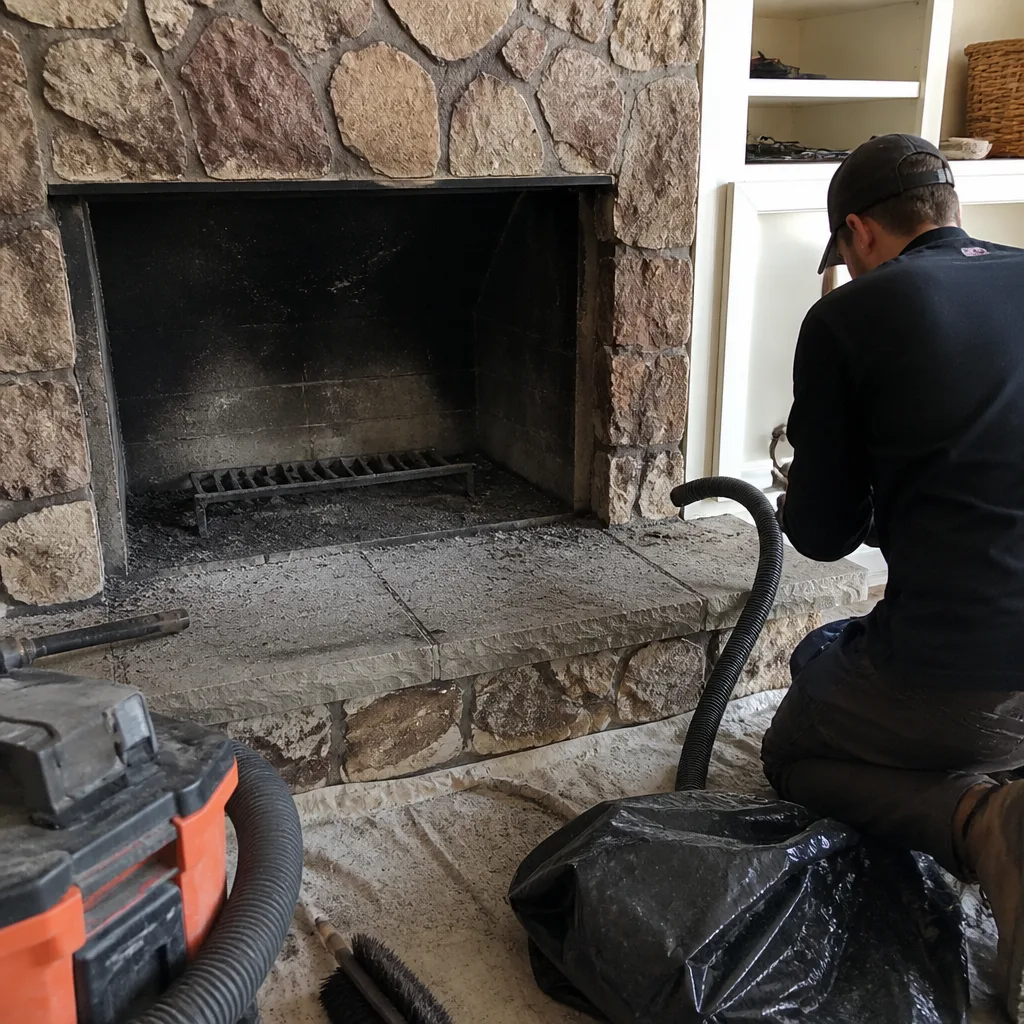 Before
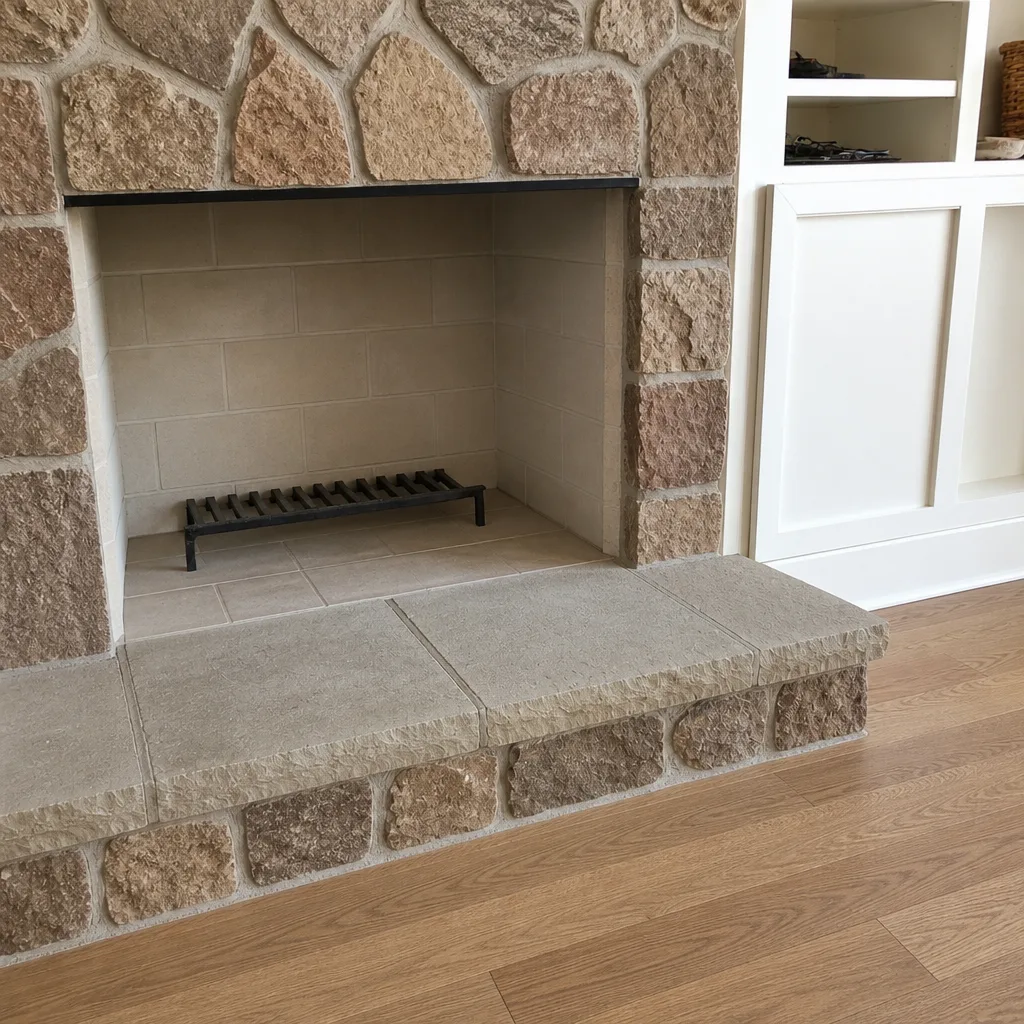 After
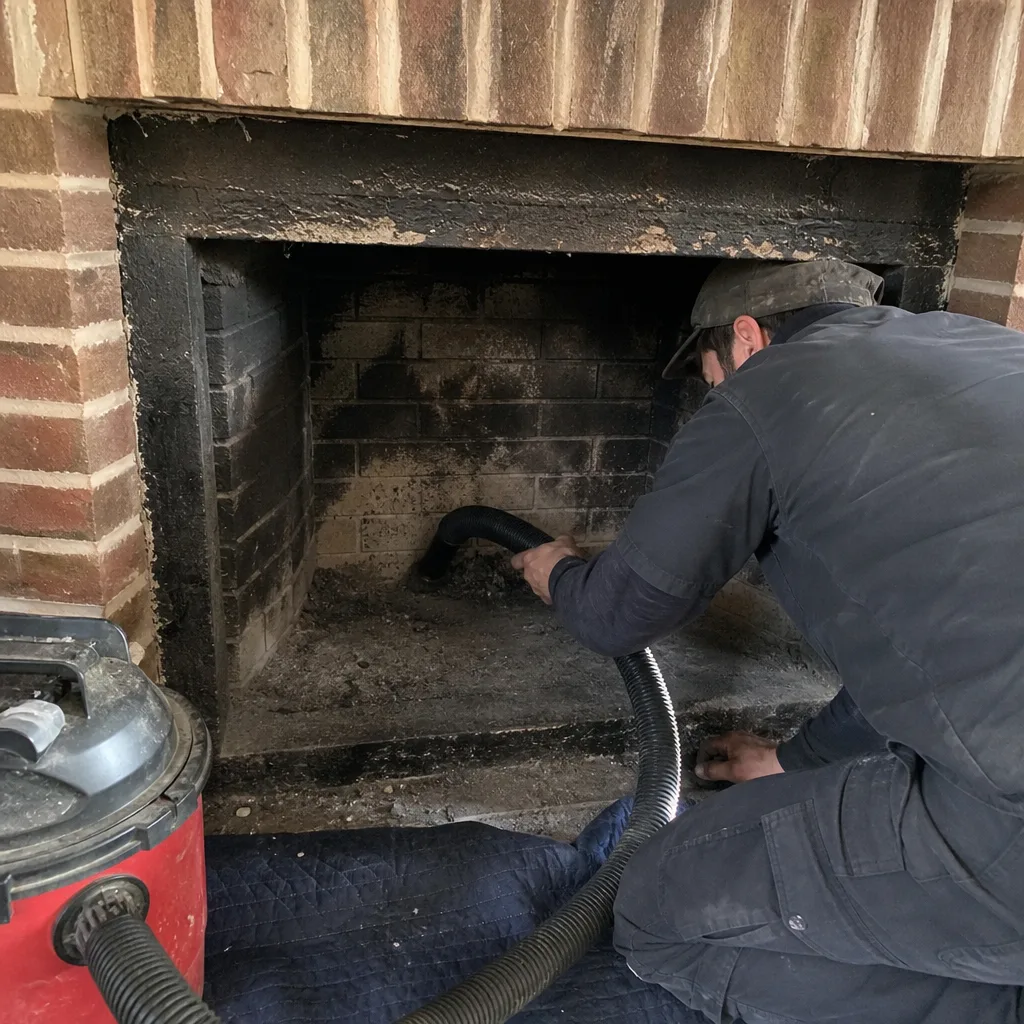 Before
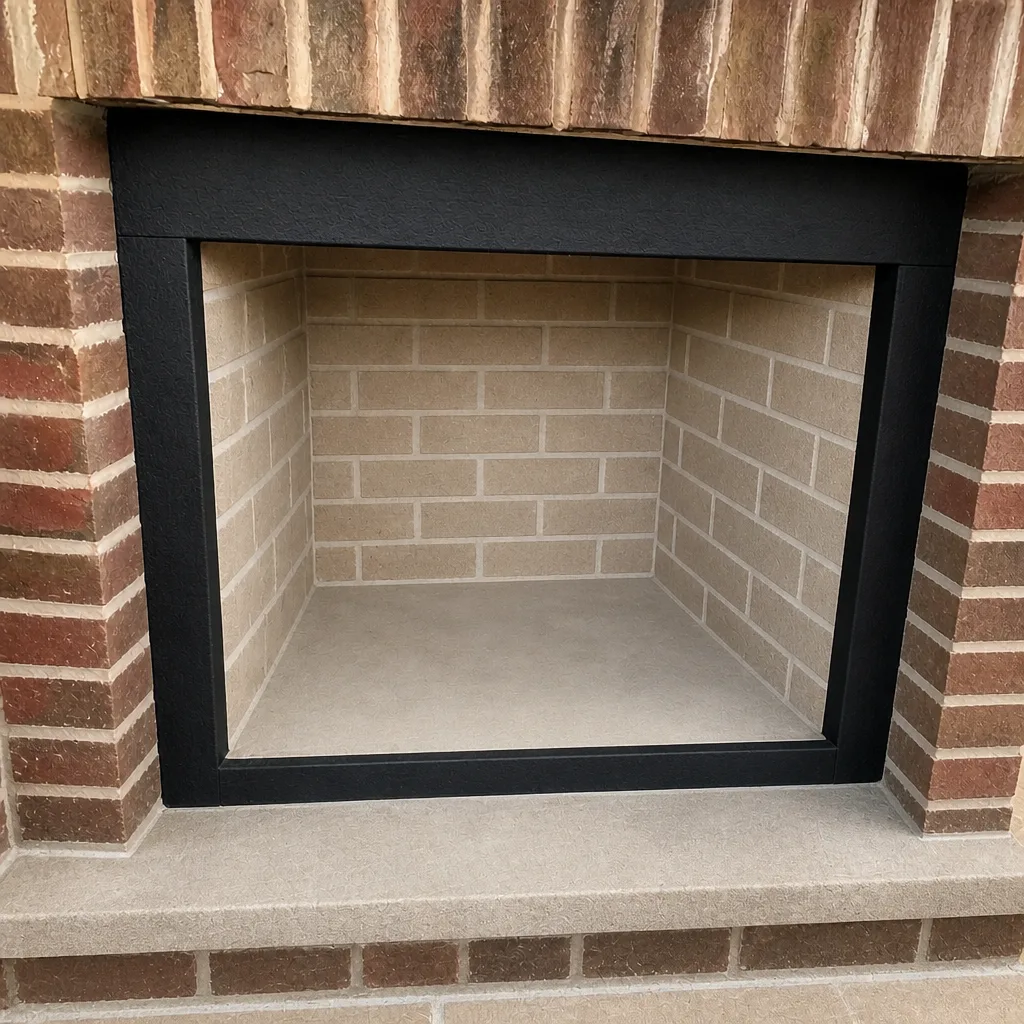 After
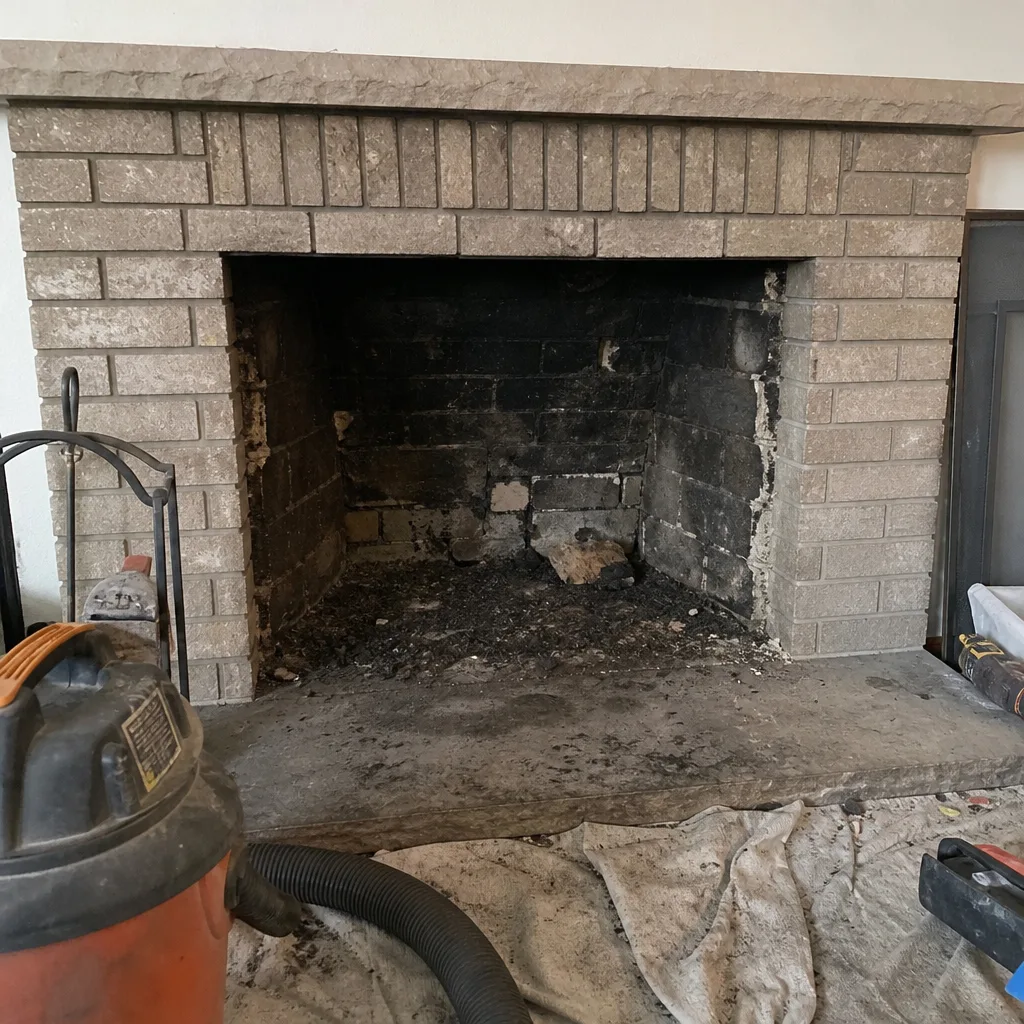 Before
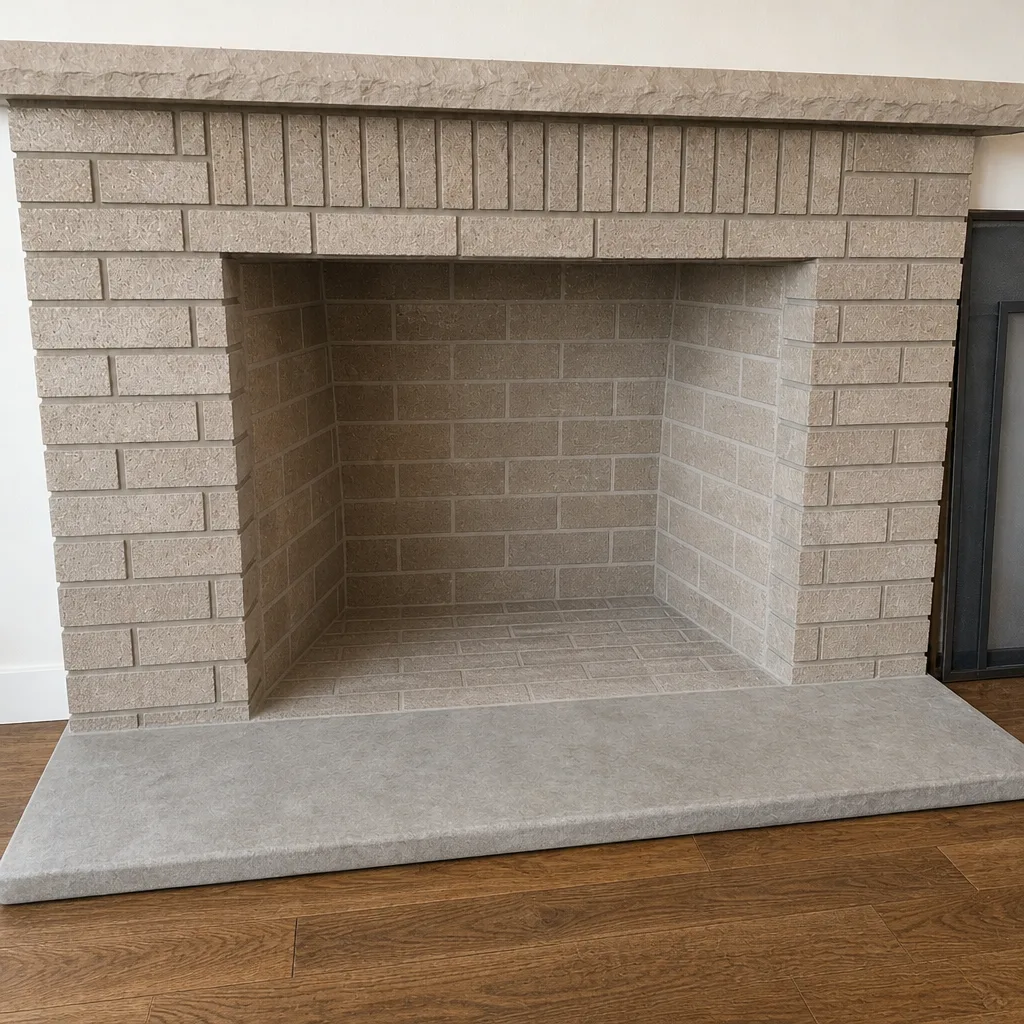 After
When to Call a Professional
Call a professional chimney technician the moment you notice any of the following: smoke rolling into the room during an established fire, soot or debris in the firebox that wasn’t there before, water stains on firebox surfaces, any carbon monoxide alarm event in your home, or visible damage to the firebox panels. Also call if it’s been more than a year since the last inspection, whether or not anything seems wrong. And call if the warning signs you’re seeing are subtle but persistent – the staining, the smell, the slow-starting fire that keeps repeating. Those are the early signals, and early is when choices are still open.
Thornton Chimney Sweep Co offers free estimates in Thornton – call (844) 443-4565. Our technicians have up to 9 years of experience, and we cover the full chimney, from the firebox floor to the crown cap. We answer 24/7. Fast dispatch from 7am to 7pm, Sunday through Friday.
Frequently Asked Questions
Most wood-burning chimneys in Thornton should be swept at least once a year, and heavier users – households burning most winter evenings – need a sweep more often, sometimes twice. Gas fireplaces still need an annual inspection to check venting and the firebox. The right answer depends on how much wood you burn and the condition of the flue, which an inspection determines. Call (844) 443-4565 to book an inspection and get a straight answer for your system.
Soot is powdery, black, and easy to sweep off; creosote is a tar-like deposit that starts flaky and progresses into a dense, glazed coating that a standard brush won’t remove. It matters because glazed creosote is the most flammable stage. If a sweep tells you the flue has heavy glazed creosote, that’s a real issue that requires more than a standard cleaning. Call (844) 443-4565 – estimates are free.
Efflorescence on its own is usually not a reason to stop using the fireplace, but it is a reason to book an inspection. White staining means water is moving through the masonry, and water in a chimney tends to get worse rather than better with time. The earlier the source is identified – crown, cap, flashing, or a mortar joint – the smaller the repair. Call (844) 443-4565 to have it looked at before the next freeze.
Not necessarily, and in our experience a sweep-only company sometimes recommends a liner when a less invasive repair would work. If the flue tile is deteriorated but not structurally failed, a HeatShield resurfacing system can restore the interior surface without full liner replacement. A camera inspection is what determines which repair is appropriate. Book one by calling (844) 443-4565 and get a written estimate that tells you exactly what’s needed and why.
The system keeps degrading silently. Flue tile cracks widen, glazed creosote accumulates, and water damage spreads through the masonry, and none of it becomes visible from inside the house until it’s already a major repair. An inspection is how you find the problems while they’re still small. Call (844) 443-4565 for a free estimate.
Yes. The daily freeze-thaw cycles we get along the Front Range are what push chimney masonry through spalling, mortar joint failure, and crown cracking faster than in milder climates. That’s why exterior signs that might be minor elsewhere tend to be more serious here, and why prompt repair of efflorescence, spalling, or crown cracks is worth doing sooner than you might think. Call (844) 443-4565 for an inspection that accounts for how our climate actually treats a chimney.
The Bottom Line
The warning signs that predict real chimney trouble in Thornton are quiet ones: mineral staining on the masonry, spalling brick, mortar cracks, smoke that smells wrong after the fire is out, and a fire that’s harder to start than it used to be. The dramatic signs are important, but they’re late. The subtle signs are early, and early is when the repairs are smaller and the options are wider. If any of what we covered in this guide feels familiar, book an inspection before the next fire. Our technicians have up to 9 years of experience, and we handle the full chimney – from sweep and inspection through fireplace repair, structural repair, and cap-and-crown work. One call covers whatever the inspection finds.
Call (844) 443-4565 for a free estimate. We answer 24/7. Fast dispatch from 7am to 7pm, Sunday through Friday.
Written by the team at Thornton Chimney Sweep Co.