
Last updated November 23, 2026
 Sweep & inspection
 Caps & crowns
 Flue relining
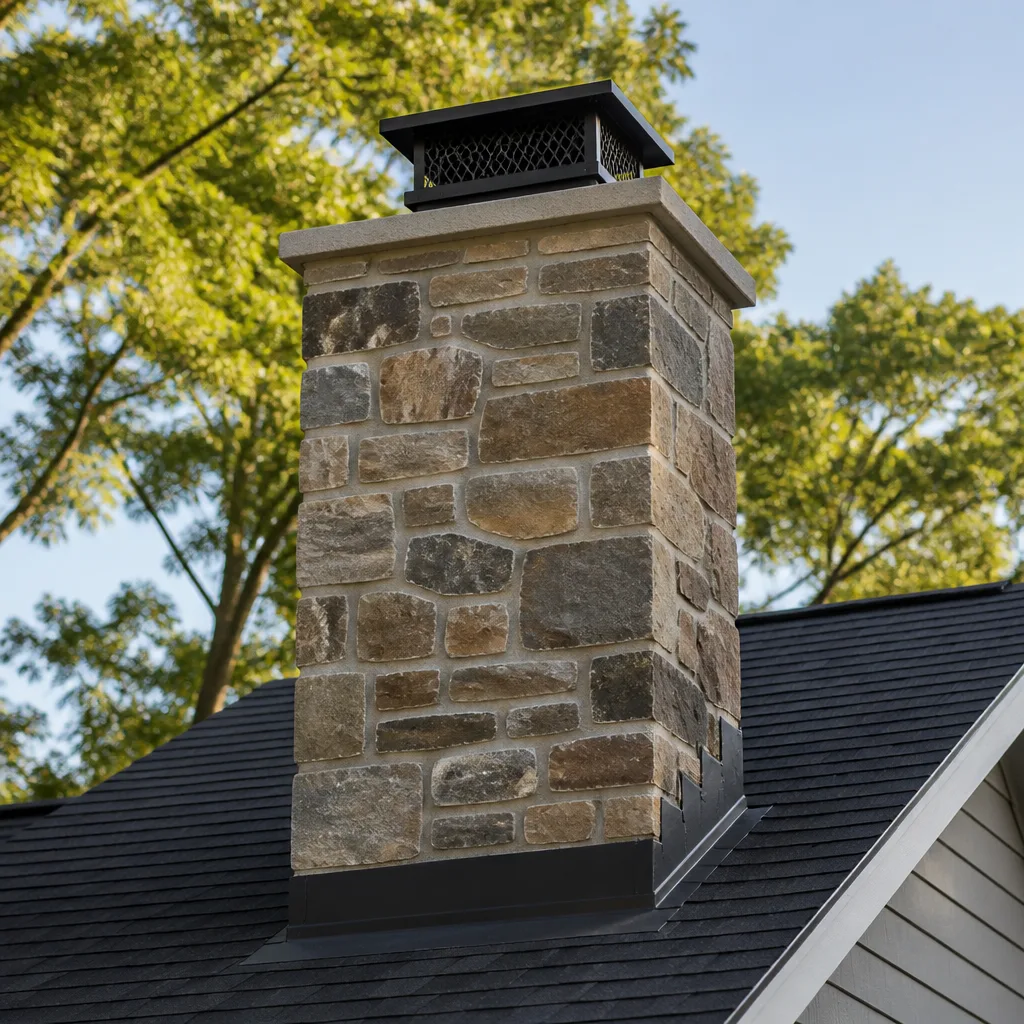 Masonry repair
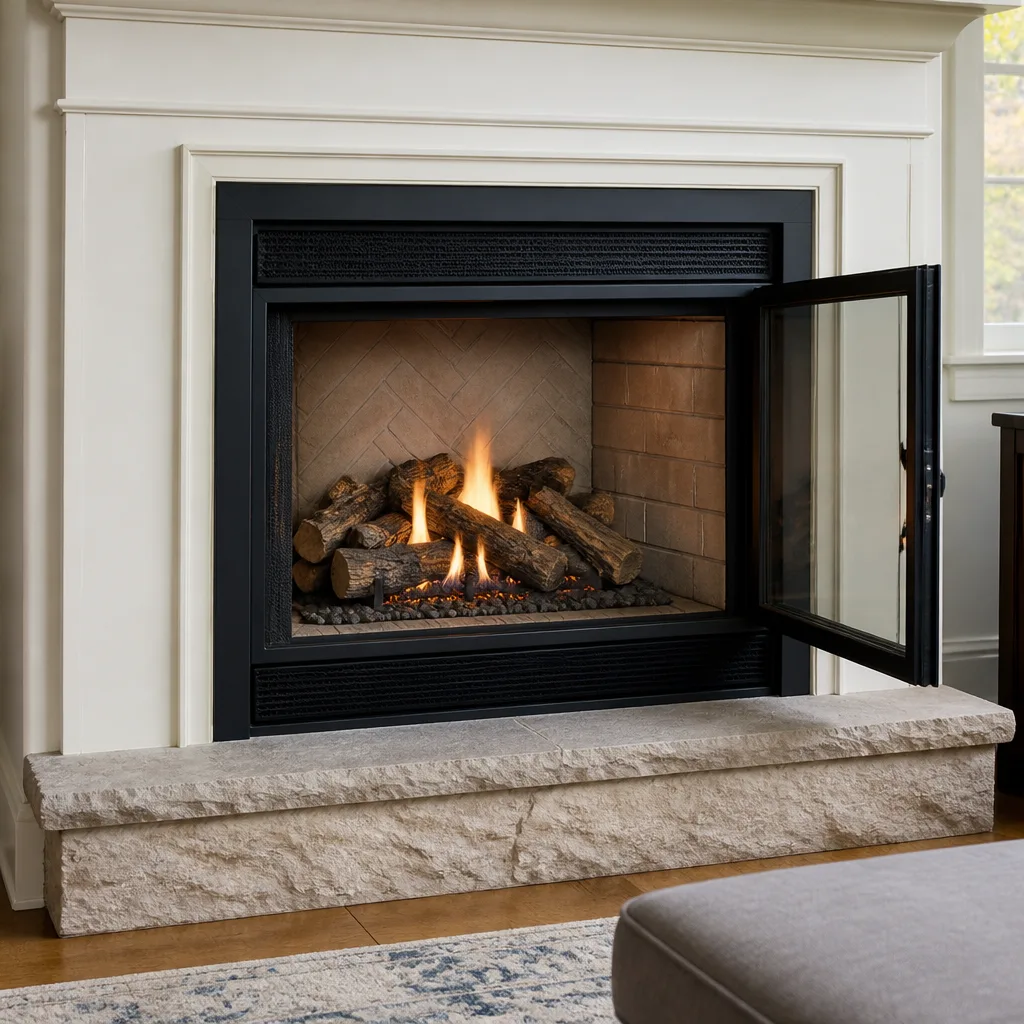 Gas fireplace service
Level 1 sweep and inspection to the NFPA 211 annual standard - flue, crown, cap, and flashing checked and photographed
Chimney sweep logs do not sweep chimneys. They loosen some creosote - which then falls where a brush and vacuum still have to collect it.
Chimney Cleaning Emergency Preparedness Guide for Thornton Homes
A chimney fire can burn at more than 2,000°F inside your flue while the outside of the chimney shows almost nothing. No flames on the roof. Very little smoke from the cap. Often the only sign is a low, steady roar that sounds like wind pushing against the house. That gap between what’s happening inside the flue and what you can see is exactly why planning matters. The toughest calls in a chimney emergency get made in the first ten minutes, and they’re made badly when there’s smoke in the room and everyone’s half asleep. This guide walks through what to do during a chimney fire, how to tell a chimney fire from a carbon monoxide problem or a downdraft, what has to happen after any fire before the fireplace is used again, and how to get ready before the Thornton heating season starts. What you’ll learn here is preparation, not panic.
Quick Answer
In an active chimney fire, get everyone out of the house, call 911, and don’t put water on the fire or climb onto the roof. Close the fireplace doors, shut the damper only if it can be done safely and the fire department hasn’t advised otherwise, and wait for firefighters. After any chimney fire, the flue must be inspected by a qualified professional before the fireplace is used again, no exceptions. For preparation in Thornton, get a pre-season inspection, confirm your carbon monoxide detectors work, and keep a proper screen in front of the firebox.
Styles & brands we work with
- Sweep & inspection
- Caps & crowns
- Flue relining
- Masonry repair
- Gas fireplace service
Table of Contents
- What do you do during an active chimney fire?
- How do you tell a chimney fire from carbon monoxide or a downdraft?
- What has to happen after a chimney fire?
- How do you prepare a Thornton home before heating season?
- Where should carbon monoxide detectors go?
- What’s different about a post-fire inspection?
- How do you choose a chimney contractor in Thornton?
What do you do during an active chimney fire?
Get people out first, call 911, and follow the dispatcher’s instructions. Chimney fires are unpredictable: a flue that looks contained can crack or drop burning creosote into the firebox, and firefighters are trained to handle both. If the fire is small and clearly self-limiting (you see and hear it settle within a minute or two, and there’s no smoke in the room), you can still call 911 and let them decide whether to come out. What you don’t do is assume it’s over and go back to bed.
The order of actions most firefighters recommend:
- Get everyone, including pets, outside and call 911 from outside if possible.
- Close the fireplace doors or glass doors if you have them; this limits air feeding the fire.
- Shut the damper only if the fire department or dispatcher tells you to, and only if you can reach it without standing in front of the opening.
- Don’t put water on the fire. A sudden quench can crack firebrick, warp metal liners, and send a steam-and-smoke plume back into the room.
- Don’t climb onto the roof or carry a hose up a ladder.
- Once the fire department says the fire is out, stay out of the fireplace until a professional inspects the flue.
In our experience, the “close it and forget it” habit causes the most trouble. A fire that “went out on its own” can leave a cracked tile or a warped cap that isn’t obvious until the next burn. That’s why the post-fire inspection is mandatory.
How do you tell a chimney fire from carbon monoxide or a downdraft?
Chimney fire, carbon monoxide, and downdraft look and feel different, and each needs a different response. A chimney fire has a roaring or rumbling sound, a hot chimney or stovepipe, and sometimes sparks or visible smoke from the cap. Carbon monoxide is invisible and odorless, so you can’t see or smell it; symptoms are headache, dizziness, nausea, and confusion, and the alarm going off is the only clear warning. A downdraft is the fireplace puffing smoke back into the room because outside air is pushing down the flue; it’s annoying and hazardous in a different way, but it isn’t a fire.
What to do based on what you’re seeing:
- Roaring sound, hot chimney, visible smoke or sparks at the cap: treat as a chimney fire. Get everyone out and call 911.
- CO alarm sounds or anyone has CO symptoms: get outside immediately, call 911, and don’t re-enter until the fire department clears the building.
- Smoke puffing into the room with the fire burning normally: downdraft or a blocked flue. Open a nearby window to break the pressure, put the fire out safely, and call a chimney professional before burning again.
If you’re not sure which situation you’re in, treat it as the dangerous one. An unnecessary fire department visit is a good outcome; a missed CO event or smoldering chimney fire is not.
What has to happen after a chimney fire?
The flue must be inspected by a qualified chimney professional before the fireplace is used again. That’s not a preference, it’s a hard rule of running a chimney safely. Chimney fires can crack flue tile, warp metal liners, distort a damper, damage the crown, and leave unburned creosote that will ignite again on the next fire. You can’t see most of that damage from the firebox.
What a qualified inspection covers:
- The firebox and firebrick for cracks and spalling.
- The damper and smoke chamber for warping and debris.
- The flue itself, from the top down, looking for cracked tile joints and gaps.
- The chimney exterior, crown, cap, and flashing for damage from the heat.
- The roof and nearby combustibles for any charring or hot spots.
If the fire department on scene tells you the fire is out and hands you a card, that’s the start of the process, not the end. The fire department puts the fire out; a chimney inspection determines whether the fireplace can safely be used again. Those are two different jobs, and only the second gives you an answer for your next fire.
How do you prepare a Thornton home before heating season?
Thornton sits in the northern Front Range, and our heating season runs long. Fall turns into freezing nights fast, and many households go from “haven’t lit a fire since March” to “burning every night” within a week. The prep window is short. The other local wrinkle: the air in the metro area is often dry and windy in early fall, which drives chimney downdrafts. A house that was fine in March may puff smoke into the room in October until the flue warms up.
Before the first fire of the season, do this:
- Book a chimney inspection. Our chimney inspection in Thornton uses a camera and includes a photo report, so you see what we see.
- Schedule a cleaning if the inspection finds enough creosote to matter. Any buildup past a glaze or a heavy flake layer needs to be removed before burning.
- Test every carbon monoxide detector and the smoke alarms on every level.
- Inspect the firebox and glass doors; look for cracked brick, broken gaskets, and gaps at the door frame.
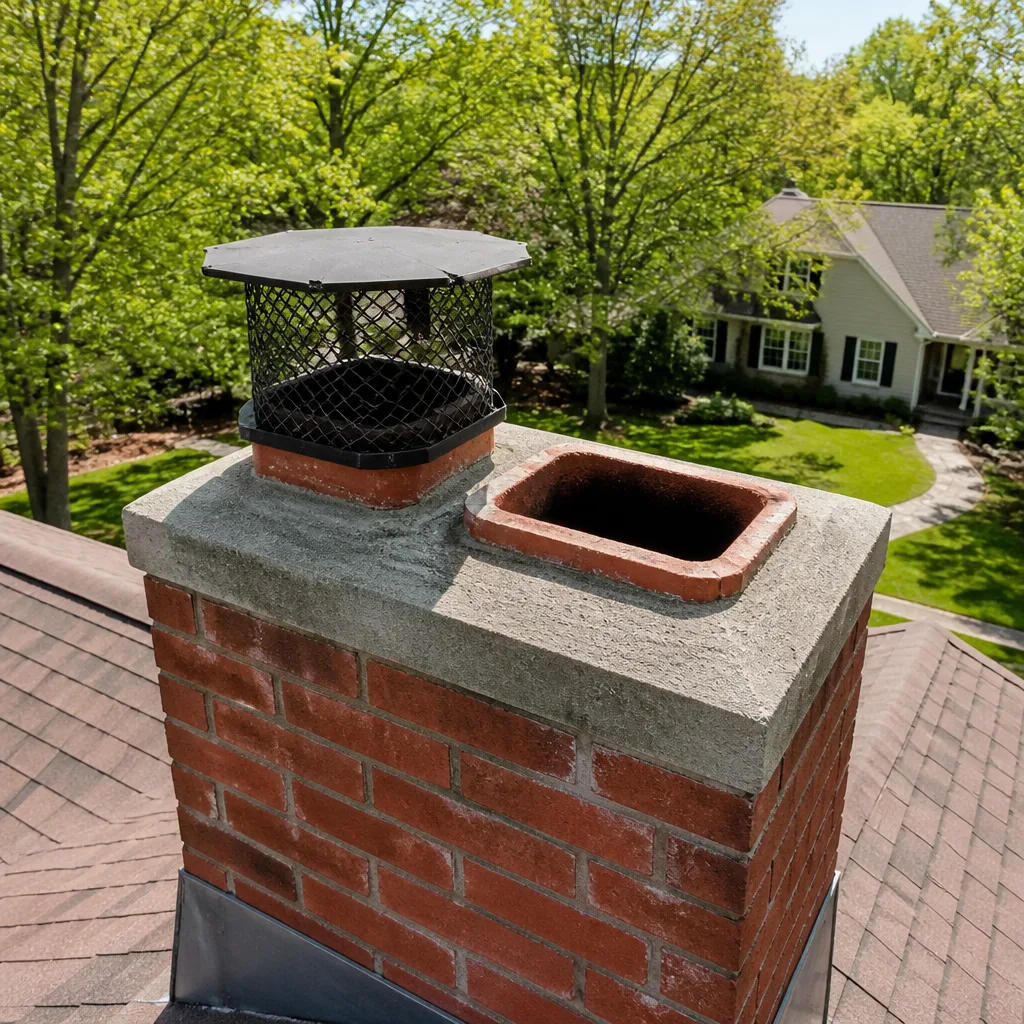
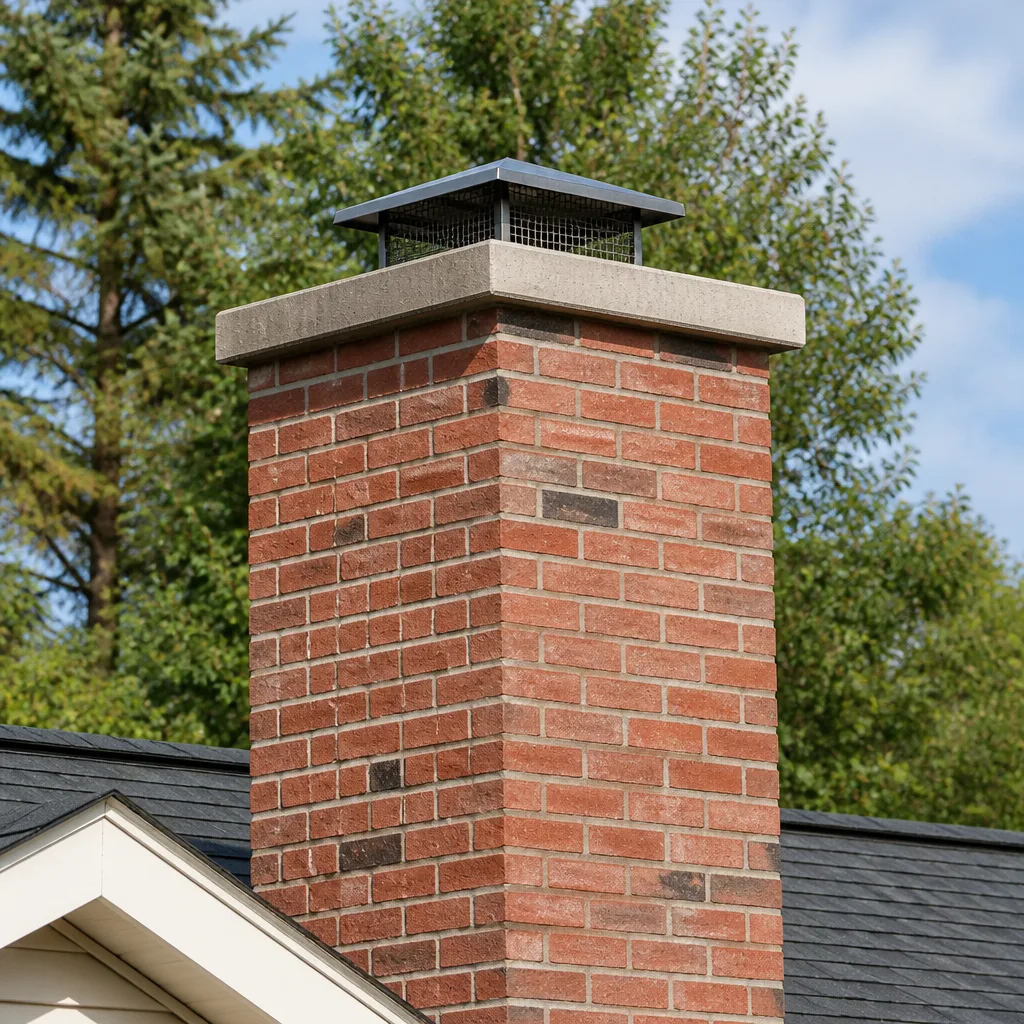
- Check the roof-level cap and crown for rust, loose screens, or cracks in the mortar.
- Store firewood outside, off the ground, well away from the chimney.
- Walk the room for combustible furniture and rugs close to the hearth and move them back to code-safe clearance.
That’s where working with Thornton Chimney Sweep Co helps: inspection and cleaning are two of our five core services, so a single visit covers both findings and next steps.
Where should carbon monoxide detectors go?
Carbon monoxide detectors belong on every level of the home and in or near each sleeping area. That’s the standard most fire departments and manufacturers recommend, and it’s the placement that catches a CO leak while people are asleep or before CO builds to a dangerous level. Don’t put a detector inside a closet or on a wall directly above the firebox; heat and metal can interfere with it.
Specific placement that works:
- One in the hallway outside the bedrooms, within earshot with doors closed.
- One on the main living level where the fireplace sits.
- One in the basement if you have a fireplace or furnace there.
- Follow the manufacturer’s wall-vs-ceiling mounting directions; detectors have an orientation preference.
Test the units monthly, vacuum the vents every few months, and replace the units on the manufacturer’s schedule. A CO detector that “hasn’t gone off” tells you nothing about whether it still works. In our experience, most homeowners have at least one detector past its replacement date.
What’s different about a post-fire inspection?
A post-fire inspection is diagnostic, not routine. A standard annual cleaning visit assumes the chimney worked normally and just needs servicing. A post-fire visit assumes the chimney took heat damage and has to be checked for structural failure. Those are different jobs, and they produce different reports.
Here’s how the two compare:
- Routine cleaning: creosote removal, general condition check, recommendations for the next season.
- Post-fire inspection: full flue camera scan, thermal stress check on tile joints, damper and firebox assessment, crown and cap inspection from the roof, and a written summary of what’s safe to burn in and what isn’t.
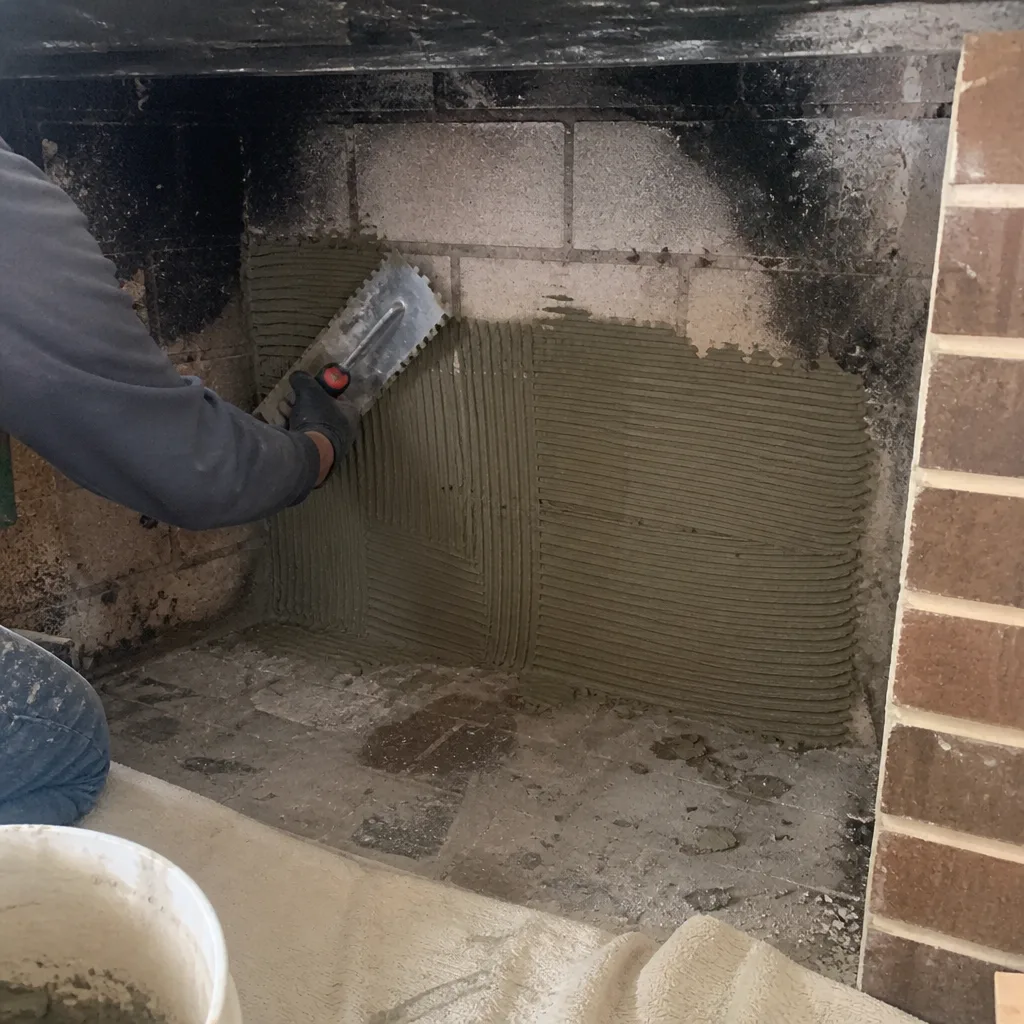
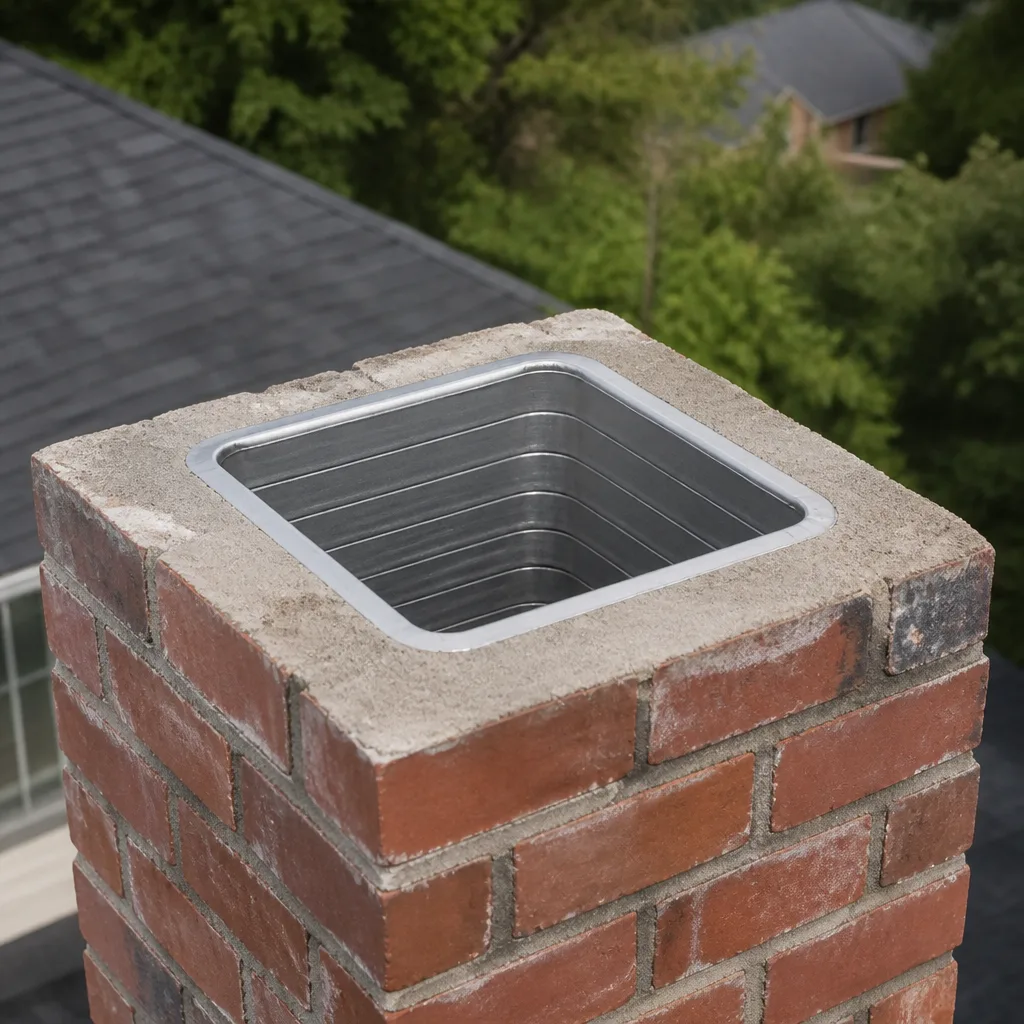
If the post-fire inspection finds a cracked or deteriorated flue, options range from resurfacing with HeatShield for tile that’s deteriorating but structurally sound, to a full relining with a professional system such as DuraFlex. That’s why the inspection matters: the right repair depends on what the camera actually shows. Repairing the wrong way, or skipping the repair, is how a small heat crack turns into a real hazard. We handle chimney repair alongside the inspection for exactly this reason.
On a repair visit, expect a written estimate before any work. Ask for the camera footage. A chimney professional should show you what they found, not just tell you.
How do you choose a chimney contractor in Thornton?
Hire a contractor who does post-fire inspections and structural repair in-house, not one who sweeps and refers everything else out. A post-fire visit often turns into a repair decision on the same visit, and a contractor who doesn’t install liners or resurface flues can only give you half a plan. Ask three things before you book: what the inspection includes, whether you’ll get a written photo report, and what happens if a repair is needed.
What to look for in a Thornton contractor:
- Capability across the whole chimney, not just the sweep. We cover all five categories: cleaning, inspection, fireplace repair, chimney repair, and cap and crown installation.
- Professional-grade materials. We install and service DuraFlex, HeatShield, Gelco, Olympia Chimney, Famco, and Copperfield, not big-box substitutes.
- Camera inspection and a photo report you keep.
- A written estimate before work starts, with a clear price per job.
- A real “ask me anything” posture toward your questions about the findings.
Also ask about response time for a post-fire call. Anyone in the chimney business gets asked “how fast can you come out?” after a fire. Ask what the contractor says and how they hold their schedule. We operate as a company (the “Co” in our name is deliberate), so scheduling isn’t decided by one person’s phone list. Our technicians have up to 9 years of experience, and we’ve handled a wide range of post-fire inspections over the years.
Common Mistakes to Avoid
- Waiting to smell smoke before taking a chimney fire seriously. Many chimney fires produce almost no visible smoke. The roaring sound and a hot chimney are the more reliable signs.
- Calling 911 only if you see flames. Chimney fires are often invisible from outside. When in doubt, call, and let the fire department make the call.
- Putting water on the fire. A bucket of water on a creosote fire can crack firebrick, warp metal and shoot a steam plume back into the room.
- Reusing the fireplace “a few days later” after a fire. The flue could be cracked without visible exterior signs. Inspection first, always.
- Relying on a single CO detector, or a dead one. Every level and near each sleeping area is the standard. Test the units monthly and replace them on schedule.
- Letting the cap and crown go unchecked. A damaged crown is one of the biggest causes of chimney water damage in Thornton; loose caps let birds and debris in.
- Skipping the pre-season inspection because the fireplace “worked fine last year.” Chimneys don’t visibly change with a season, but creosote buildup and damaged flue tile don’t announce themselves either.
See the difference
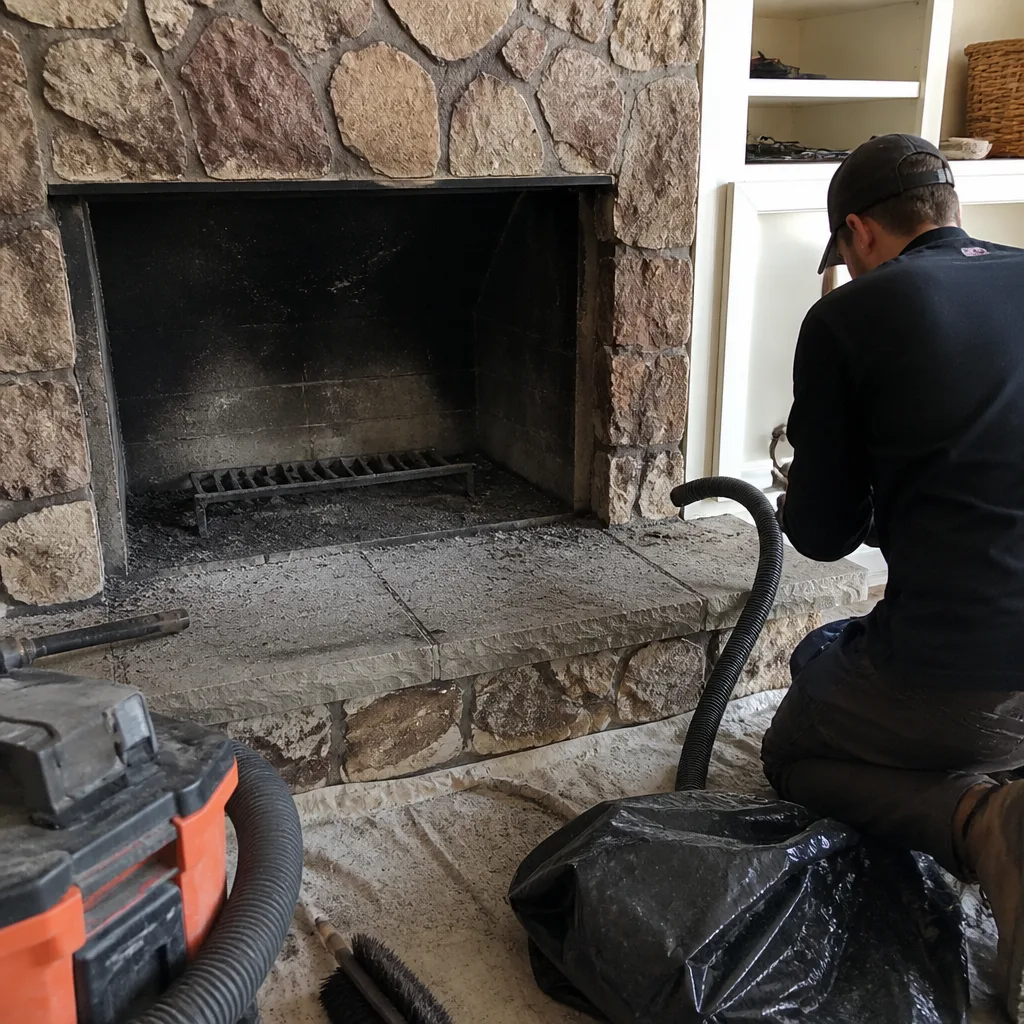 Before
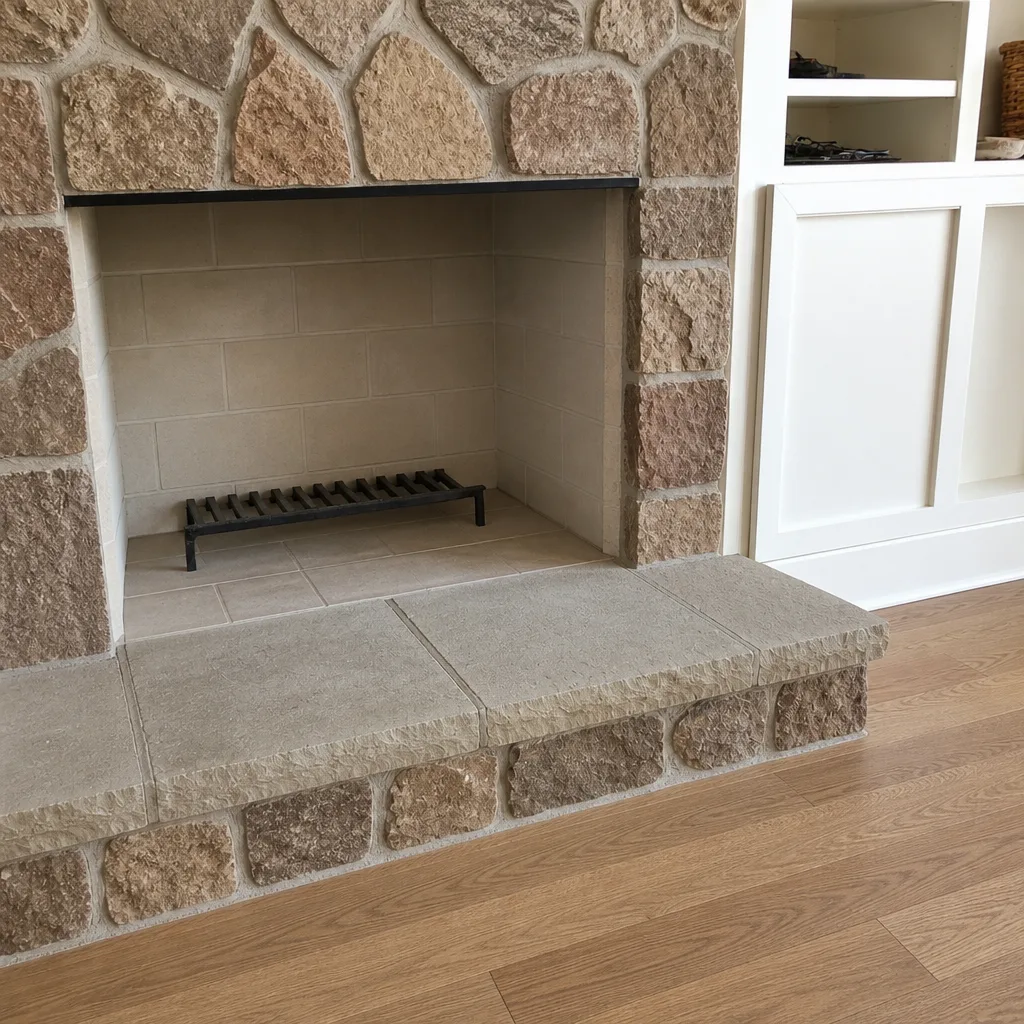 After
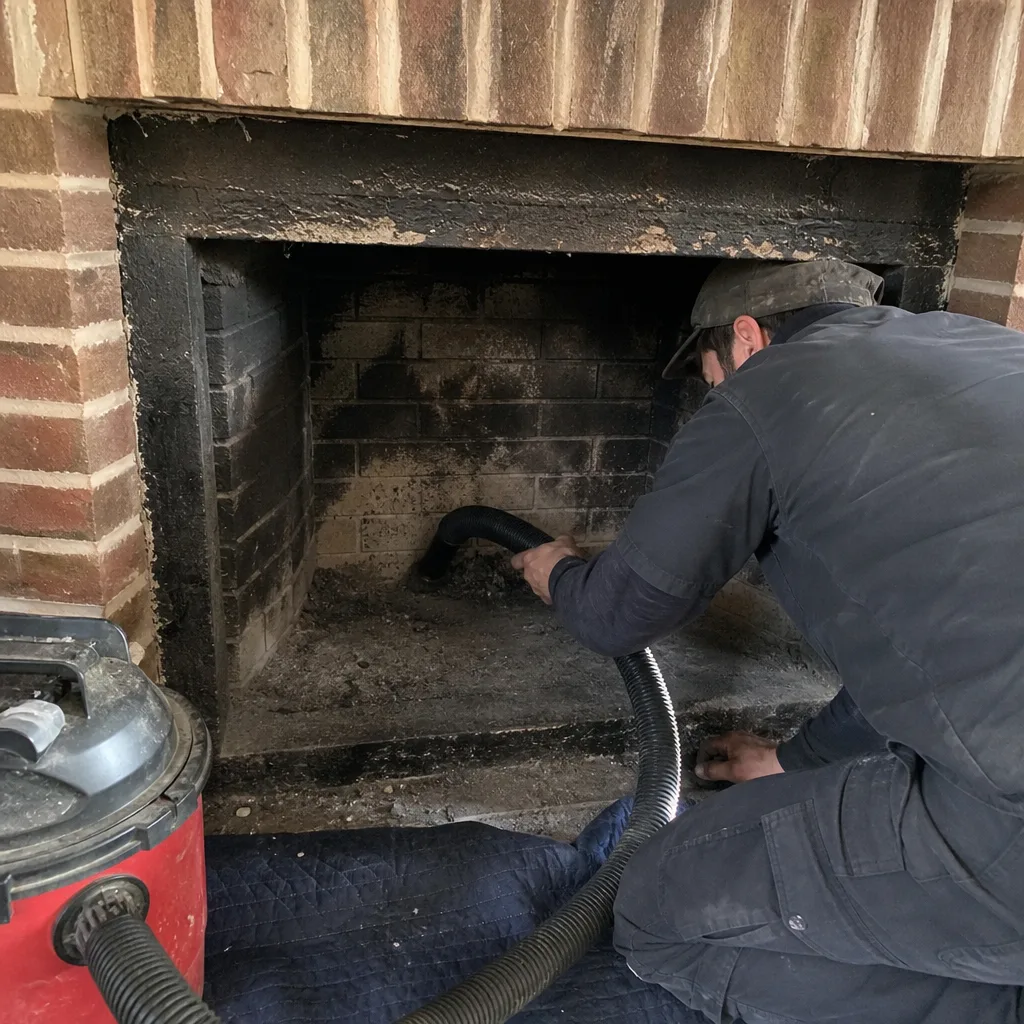 Before
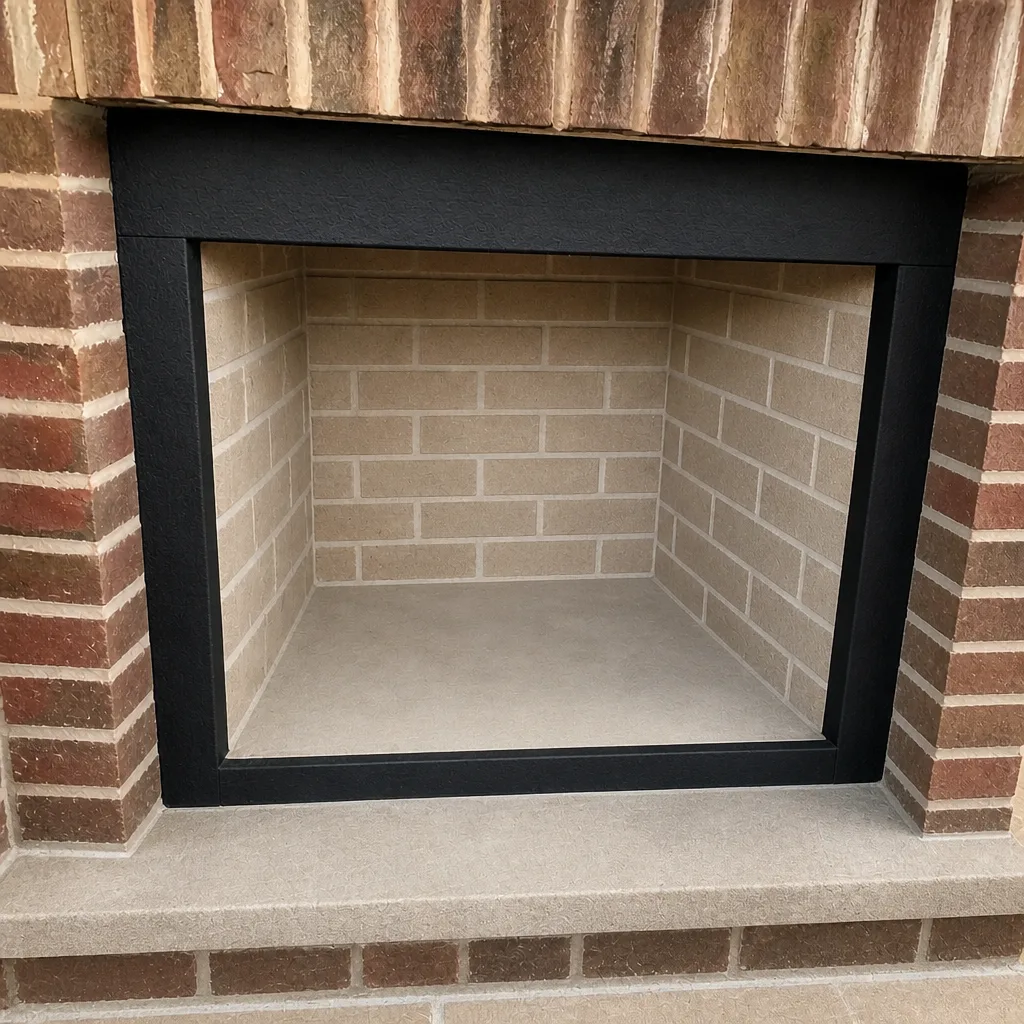 After
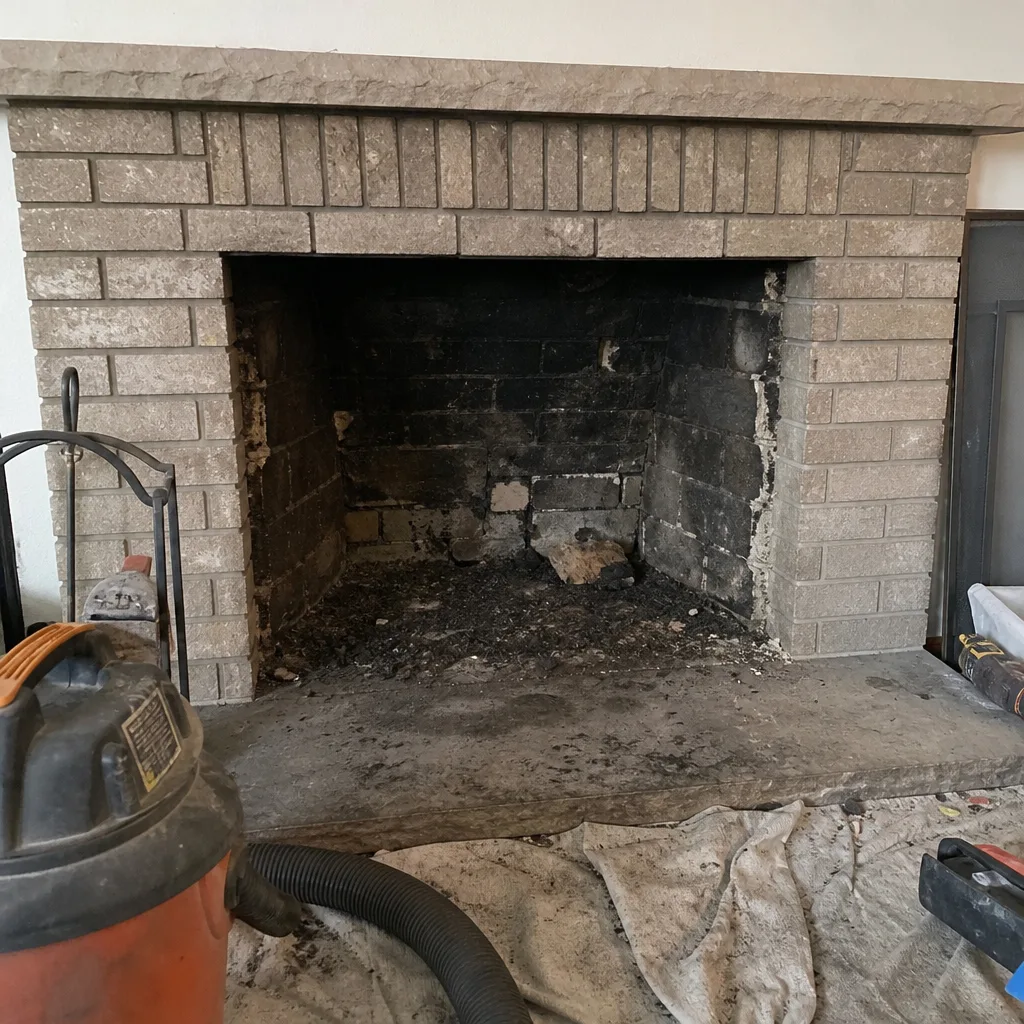 Before
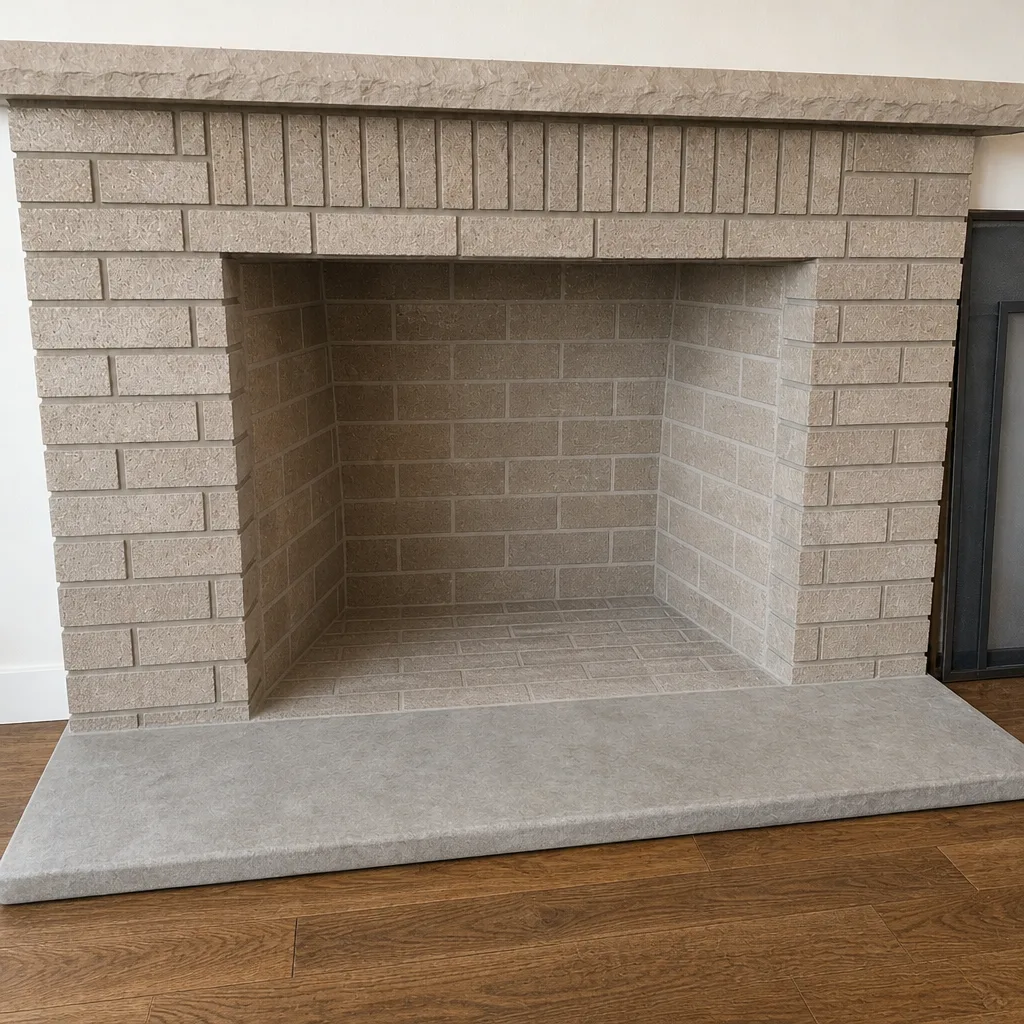 After
When to Call a Professional
Call a professional after any chimney fire before burning again, after any smoke event that pushed smoke into a living space, after a CO alarm, and any time the chimney has an obvious change (rust, cracked crown, loose cap, crumbling firebrick). Also call for the annual pre-season inspection. These are the situations where visual guessing doesn’t hold up and a camera inspection gives you a real answer, including “this can safely wait.” That last part matters: not every fix has to happen immediately, and a good inspector tells you clearly when work can wait until next season and when it can’t. If you need a chimney sweep for a routine cleaning or an emergency post-fire inspection, we book the work and set the price per job in a written estimate. Thornton Chimney Sweep Co offers free estimates in Thornton. Call (844) 443-4565. We answer 24/7. Fast dispatch from 7am to 7pm, Sunday through Friday.
Frequently Asked Questions
Yes, a small chimney fire can burn itself out as the creosote that’s feeding it is consumed. The danger is that a self-extinguished fire often still causes heat damage to the flue, and homeowners usually can’t see that damage. Call 911 and get out if you see or hear a fire; even if it self-extinguishes, the chimney still needs an inspection before the next burn. If you’re scheduling a Thornton inspection, you can call us for a free estimate.
A chimney fire is burning creosote inside the flue, producing a roar, heat and often smoke at the cap. A backdraft (downdraft) is outside air pushing down the chimney and puffing smoke into the room, with no fire inside the flue beyond the normal fire in the firebox. If you’re seeing smoke in the room but the fire looks normal, treat it as a downdraft and call a professional before the next burn. If you hear a roar and feel heat, treat it as a chimney fire and call 911.
Yes. A post-fire inspection is mandatory before the fireplace is used again, no exceptions. The heat from a chimney fire can crack tile joints, warp metal liners and damage the crown, and those problems aren’t visible from the firebox. Use a contractor who does both the inspection and the repair; a sweep-only contractor will refer you out for anything structural. We handle the full chimney at Thornton Chimney Sweep Co. Call (844) 443-4565 to book a post-fire inspection.
Inspection pricing depends on what the visit involves: a routine inspection with camera is different from a post-fire diagnostic that has to check structural damage. We set the price per job in the written estimate, and the estimate is free. Call (844) 443-4565 for an exact quote.
The standard is to have the chimney swept and inspected once a year, or more often if you burn heavily. If you burn through the winter, a mid-season check is cheap insurance. If the inspection finds glazed creosote, sweep again before it can ignite. Our technicians have up to 9 years of experience; the inspection report will tell you when the next cleaning is due.
Get everyone outside immediately, call 911, and don’t re-enter until the fire department clears the building. Don’t open windows to “air it out” and stay in the house. A CO detector going off during a burn can mean a blocked or damaged flue, a downdraft pushing combustion gases into the room, or a problem with the fireplace damper. All of those are reasons to stay out and let professionals verify it. After the fire department clears the building, a chimney professional should inspect the flue before you burn again. Call (844) 443-4565 for a post-event inspection.
The Bottom Line
Chimney emergencies get easier to handle when you’ve already thought through them. During an active fire, get everyone out and call 911, and don’t try to fight it yourself. After any fire, the flue has to be inspected before the fireplace is used again, period. Before the next heating season, book the inspection, confirm your CO detectors work, check the cap and crown, and move combustibles back from the hearth. A little prep in September is worth a lot of clarity at 2am in January. At Thornton Chimney Sweep Co, we handle the full chimney, from the firebox floor to the crown cap, with the same professional-grade brands the certified chimney institutes use. Our technicians have up to 9 years of experience. If you want this done before the season turns, call (844) 443-4565. We answer 24/7. Fast dispatch from 7am to 7pm, Sunday through Friday. Estimates are free.
Written by the team at Thornton Chimney Sweep Co.